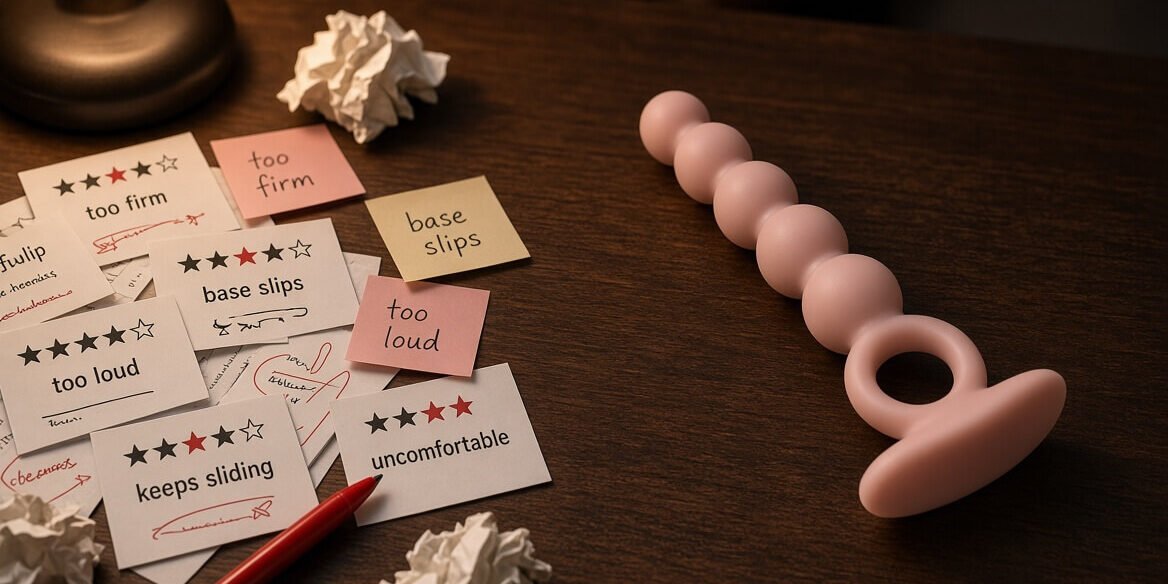
If you create adult content, review toys, or run a fan community, you already hear the truth every week. Fans tell you a plug slips. A vibe is too loud on camera. A toy looks good and feels cheap. That feedback is not noise. It is the start of a product.
This article is for OnlyFans and Fansly creators, adult KOLs, toy reviewers, and community voices who want to turn audience insight into a real product. You do not need a factory background. You need a clear complaint, a simple process, and a partner who protects your name.
Your product experience is the innovation starting point. The toy is only the hook. The goal is a private, low-risk path from “this bothers my fans” to a sample you can test.
Why Customer Complaints Are a Goldmine for Innovation
Big catalogs copy each other. Your audience does not. They tell you what failed in real use, on camera, and in private. That is a goldmine most factories never see.
The Hidden Value in Negative Feedback
A one-star line is often more useful than a five-star compliment. Praise says “keep going.” A complaint names a break point.
Creators hear this in DMs, live chats, and review comments:
- “It looks premium, but the base is too small.”
- “I cannot film with this. The motor is too loud.”
- “The size jump is too fast. My viewers asked for a middle step.”
- “The color stains. I cannot show it twice.”
That is not random hate. It is unpaid research from people who already trust you. If you sell or recommend toys, a bad unit also hits your reputation. So the complaint protects you twice. It shows a market gap. It also shows what you should never put your name on.
How Product Complaints Reveal Gaps in the Market
Mass products are built for average buyers. Your fans are not average. They follow you because your taste, body type, filming style, or community is specific.
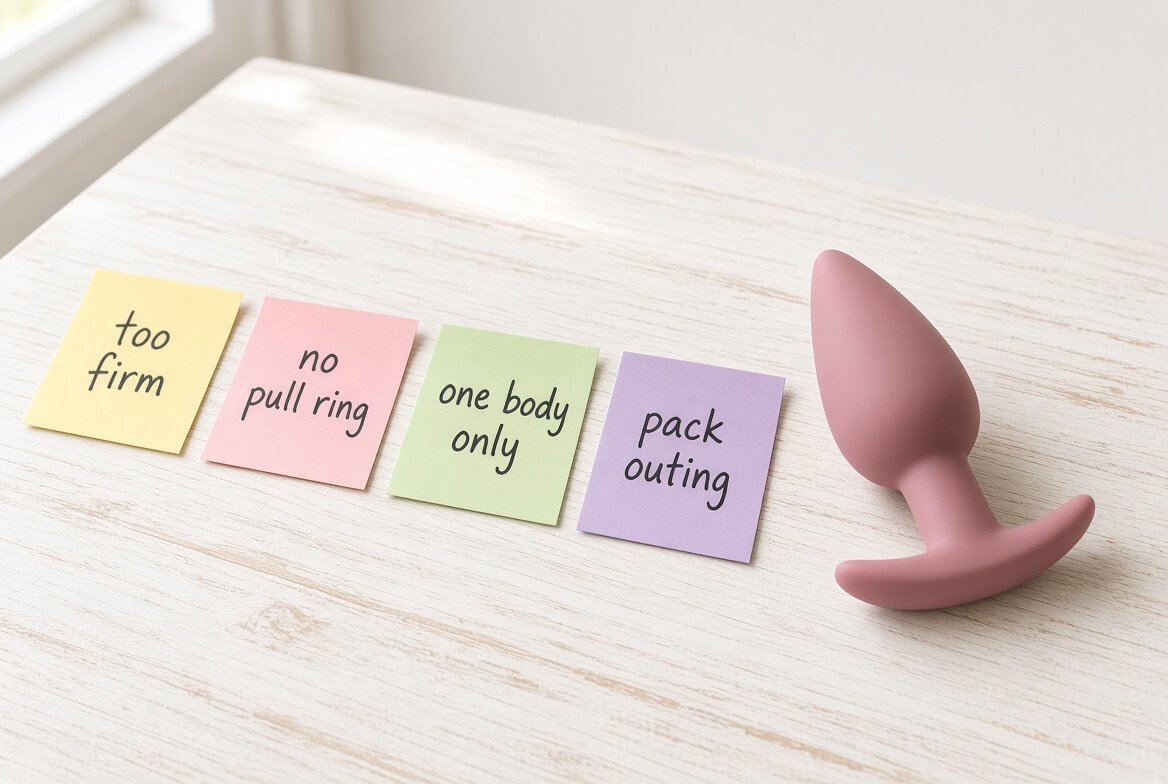
When the same complaint repeats, the market has a hole:
- Reviewers keep saying “too firm for long wear.” Softness is the gap.
- Couples say “no good pull ring.” Retrieval and control are the gap.
- Queer or inclusive audiences say “this shape assumes one body.” Fit is the gap.
- Creators say “packaging outs me.” Discretion is the gap.
You do not need a huge survey to see this. Ten honest messages that say the same thing are enough to start a product brief.
Turning Frustration into Features
Write the complaint as a feature request. Keep it concrete.
| Fan complaint | Feature to test |
|---|---|
| Base slips or feels unsafe | Wider anti-slip base |
| Beads jump in size too fast | Slower size progression |
| Toy smells or feels sticky | Body-safe liquid silicone, low odor |
| Motor ruins audio | Quieter motor or a non-vibe version |
| Color looks generic | Your palette, logo, or private-label pack |
| First order feels too big | Small-batch test, not a warehouse buy |
Frustration becomes a spec. A spec can be sampled. A sample can be filmed, worn, and judged by the same people who complained.
How to Transform Complaints Into a Marketable Sex Toy
Do not start with a full brand launch. Start with one complaint and one test unit. Low MOQ and privacy matter more than a perfect catalog.
Step 1: Collect Comprehensive Feedback
Gather comments you already have. You do not need a formal lab.
Use:
- Fan DMs and tip messages
- Video comments and review replies
- Your own use notes after a scene or test
- Returns and “I expected better” emails if you already sell
Save the exact words. “Too big” is weak. “The third bead is a hard jump and I lose the rhythm” is a brief. Tag each note with who said it: beginner fan, long-time buyer, filming partner, or you.
Protect names. Do not publish private messages. You can use patterns without exposing people.
Step 2: Identify Recurring Themes and Pain Points
Sort notes into a few buckets. Most creator products fall into five:
- Safety and base design
- Size, firmness, and progression
- Material feel, smell, and clean-up
- Noise, power, and filming use
- Look, color, and packaging that match your brand
Ignore one-off taste notes at first. Chase repeats. If eight fans mention the same weak base, that is your first product problem. If only one person wants a novelty color, wait.
Also mark risk. Anything that can hurt a body or your reputation goes to the top of the list.
Step 3: Brainstorm Pleasure-Focused Solutions
Stay close to pleasure and use. Do not invent a complex gadget on day one.
Ask three questions:
- What should the body feel at the start, middle, and end?
- What must stay safe if someone is wearing or pulling the toy?
- What must look and sound right if this appears in your content?
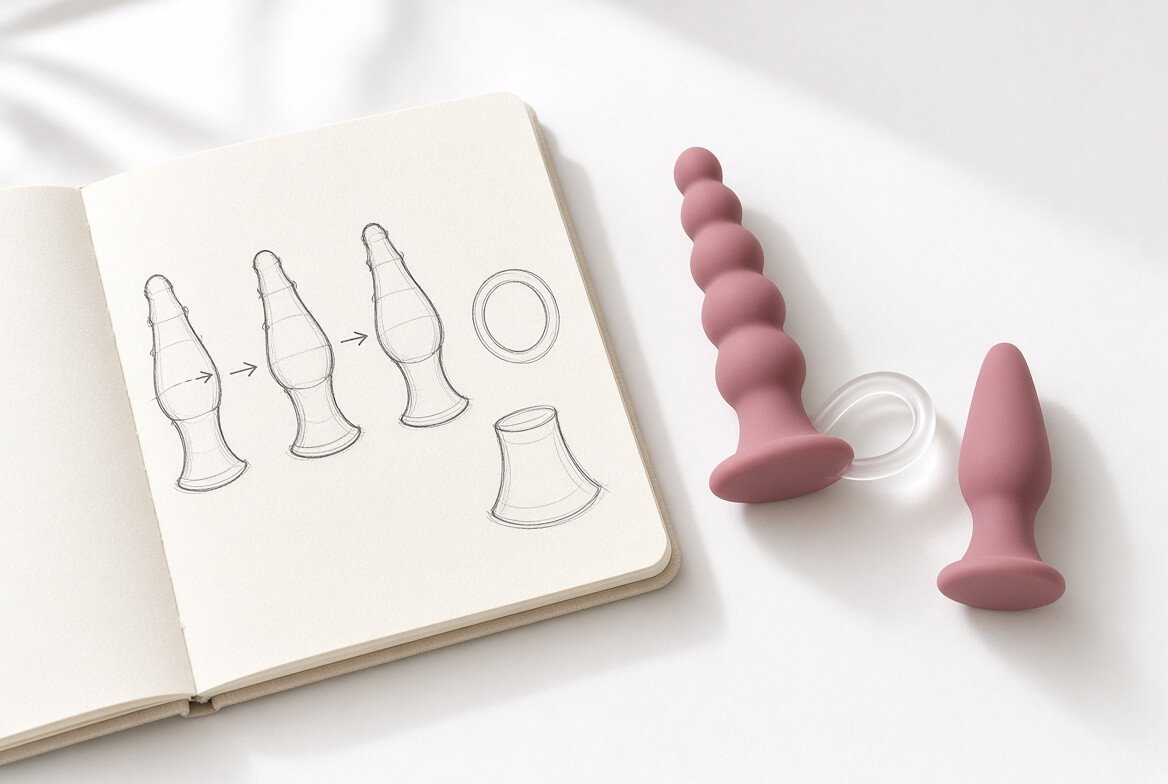
A good first fix is often small. Change bead spacing. Soften the silicone. Add a retrieval ring. Widen the base. Put your color on a proven shape before you cut a new mold.
If the idea is only 50%
Step 4: Develop Prototypes Based on Real User Needs
Turn the brief into a sample request. Keep the first file short:
- Who it is for
- The complaint you are fixing
- Size, firmness, color, and base
- What must not change
- Whether you want stock, private label, or a custom structure
Sign an NDA before you send sketches, face-out brand details, or fan language you do not want copied.
Then sample fast. A practical path looks like this:
- Existing shape + your color or logo: fastest, lowest risk
- Light structure change: spacing, firmness, ring, base
- New mold: only after a small test proves demand
Do not order a warehouse on the first try. Small-batch testing exists so your first creator product does not become dead stock.
Step 5: Test, Iterate, and Perfect Your Design
Test the sample the way your audience will use it. That may mean wear time, clean-up, camera audio, and how it looks on your channel. It does not mean a public launch.
Check:
- Feel vs. the complaint you started with
- Safety of the base or pull point
- Smell, surface, and wash
- Whether you would put your name on this unit
If it fails, change one thing and sample again. If it works, run a small batch. Sell or gift it to trusted fans first. Use that second wave of feedback before you scale.
iGoods can help turn a specific dislike into a design plan. The sample is the hook. The real work is a private product talk about structure, MOQ, and how your name stays protected.
Successful Examples of Turning Complaints Into Innovations
These examples are patterns creators and reviewers see all the time. Use them as models, not as copy-paste products.
Case Study 1: Addressing Durability Concerns with New Materials
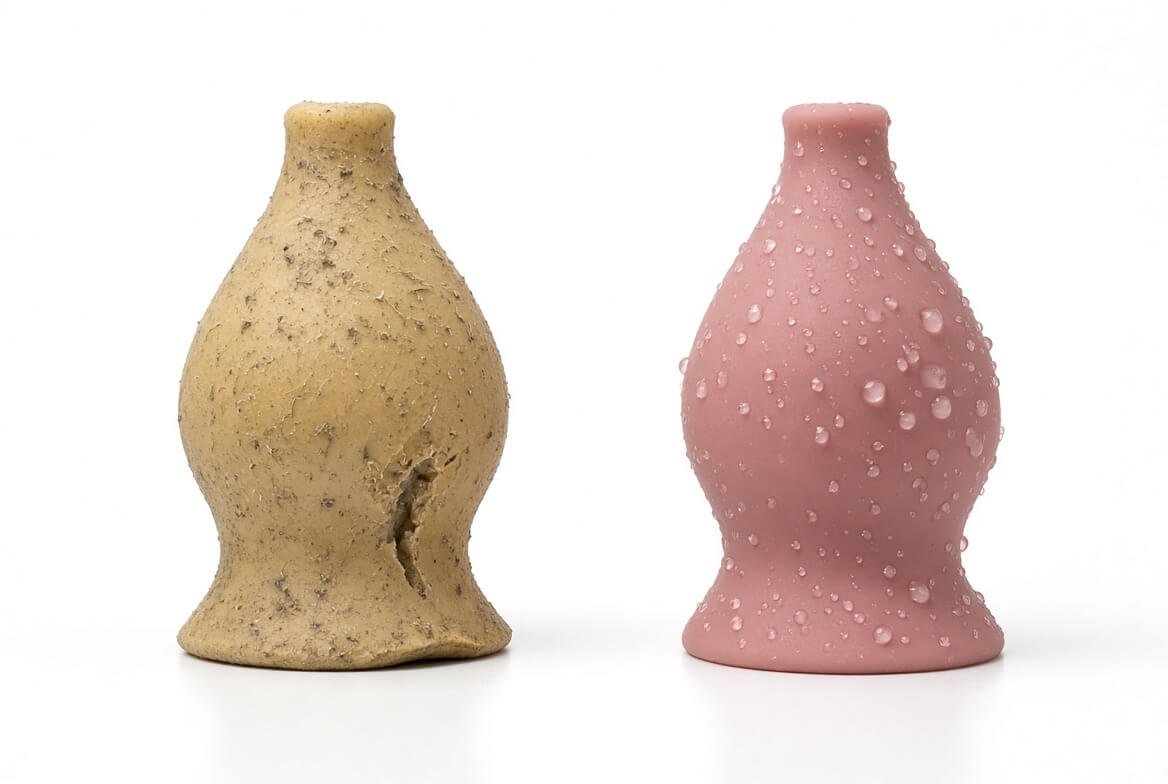
A reviewer kept hearing “it tore after a few washes” and “the surface got tacky.” The complaint was not shape. It was material.
The fix was a move to body-safe liquid silicone with a stable cure and a cleaner surface. The new version washed faster, held shape, and did not pick up lint on camera. The listing did not shout “we used better goo.” It said the toy stays clean and keeps its feel. That is what fans wanted.
For a creator brand, this kind of change is high trust and low drama. You are not inventing a new fetish. You are refusing to sell the version that made people complain.
Case Study 2: Enhancing Customization Options Based on Feedback
A creator’s fans liked a bead set but hated the one-size look. Comments asked for a slower build and a color that matched the creator’s content.
The first run was not a new invention. It was private label on a known structure: custom color, firmer or softer option, and branded packaging. After that small batch sold through, a second run adjusted bead progression.
Customization here was not decoration. It made the toy feel like their creator, not a random cart item.
Case Study 3: Solving Noise Complaints with Whisper-Quiet Tech
Filming creators hear noise complaints first. A vibe that sounds fine in a store can wreck a microphone.
One line of feedback was simple: “I want the feeling, not the buzz on audio.” The product answer was a quieter motor, a tighter housing, or a strong non-vibe version for wear and still shots. The marketing line was use-based: better for content, better for shared space, easier to keep private.
If your audience lives on camera, noise is not a minor spec. It is a feature.
Leverage Ethical & User-Centered Design Practices
Your name is the business. Process has to protect fans and protect you.
How to Ethically Use Customer Data Without Exploiting Privacy
Use patterns, not personal exposure.
Do:
- Group comments into themes
- Ask for opt-in testers
- Sign an NDA with any factory before you share brand files
- Keep fan identities off sample decks
Do not:
- Paste private DMs into a public launch post
- Send a follower’s body details to a supplier chat
- Promise a fan’s idea as “community owned” if you cannot protect it
Privacy is not extra. Creators worry about leaks of identity, concepts, and business terms. A serious partner treats that as standard, not a favor.
The Importance of Diversity and Inclusion in Design
Generic toys assume one body and one use. Your audience may not.
If fans say a toy ignores their anatomy, start there. Size ranges, firmer or softer options, inclusive shapes, and honest photos matter more than a slogan. Inclusive design is also commercial. People buy what looks like it was made for them.
You do not need to speak for every community. You need to stop shipping a default shape that your own viewers already rejected.
Prioritizing Safety and Health Standards
A pretty sample that fails safety can damage your brand in one video.
Hold the line on:
- Body-safe materials, not mystery blends
- A base or retrieval design that belongs on an anal product if that is the use
- Clean surfaces that do not trap residue
- Stable quality from sample to batch
Ask for material details and inspection before you post. Triple checks and a video QC review are reasonable asks when your face is attached to the SKU. Quality is reputation control.
Discovering What Product Frustrations Translate Best
Not every complaint should become a product. Some are taste. Some are safety. Some are packaging. Pick the ones that repeat and can be built.
What Common Sex Toy Complaints Reveal About User Expectations
Common lines map to clear expectations:
- “It feels cheap” → material and finish
- “I do not trust the base” → safety geometry
- “Too sudden” → size progression
- “Hard to clean” → surface and seams
- “Looks like everyone else’s” → color, form, or pack
- “Too much stock risk” → this is your constraint, not a fan feature. Answer it with small-batch production, not a bigger order.
Fans expect a toy to feel considered. They also expect you not to gamble their trust on a random factory unit.
Identifying Unmet Desires and Translating Them into Features
Look for desire hiding under the complaint.
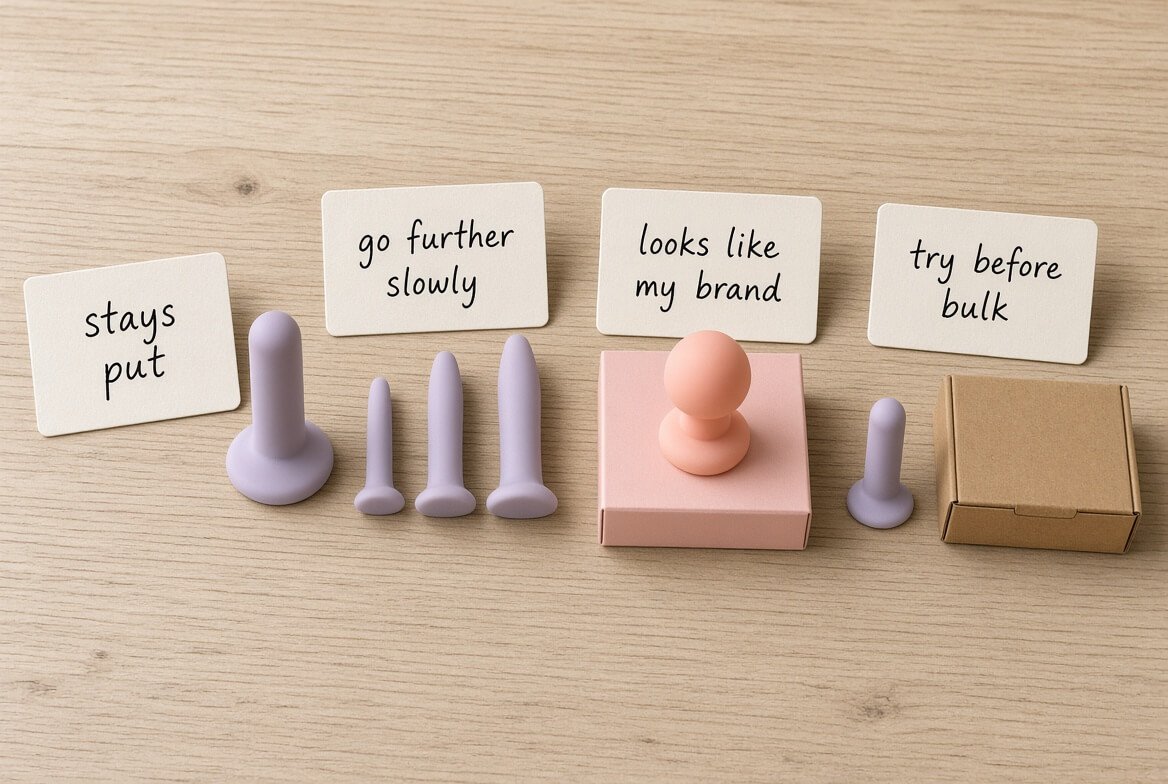
“I wish it stayed put” is a neck and base request.
“I want to go further, slowly” is a training set or bead ladder.
“I want it to look like you” is private label and visual design.
“I want to try before I commit” is sample and low MOQ, not a 1,000-piece first buy.
Write one sentence: This product exists because fans said X, and we changed Y. If you cannot finish that sentence, the idea is not ready.
Marketing the “Complaints-Inspired” Sex Toy
You can tell this story without sounding like you sold people a defect. The story is: you listened, you fixed it, you tested it.
Building a Transparent Narrative Around Customer-Centric Innovation
Keep the narrative short.
- Fans named a real problem.
- You refused to recommend the weak version.
- You built a version that answers that problem.
- You tested small before you scaled.
Do not fake a lab. Do not attack a competitor by name. Speak to the use: safer base, quieter motor, better clean-up, a size that matches your community.
The product is the proof. The post is the invitation to talk about the next version.
Using User Stories and Testimonials to Build Trust
Use stories you have permission to share.
Good:
- “Viewers asked for a slower stretch. This set adds a middle size.”
- “I would not film with the old motor. This one stays off the mic.”
Avoid:
- Fake expert quotes
- Private medical claims
- Before/after language that promises a body result
A creator testimonial works when it is specific. “Softer neck, same look, easier to wear on stream” beats “best toy ever.”
Overcoming Marketing Restrictions for Adult Products
Ads and app stores will block hard claims and explicit creatives. Plan for that.
Use:
- Your own list, fan chat, and site
- Education: how you chose the base, why the material changed
- Discreet packaging shots and process shots
- Clear “request a private product talk” CTA, not a loud discount banner
On restricted platforms, sell the method. “Turn audience insight into a real product” travels better than a graphic the algorithm rejects.
When you are ready, the next step is not a giant PO. It is a conversation: Turn Your Audience Into a Product.
The Role of AI in Reimagining Customer Feedback for Sex Toys
AI can sort comments. It cannot replace your judgment about pleasure, safety, or brand risk.
Using AI to Analyze and Categorize Complaints Effectively
If you have hundreds of comments, an AI tool can cluster them: noise, size, base, smell, pack, price. That saves time.
Then you still read the cluster. You decide which pain is common, which is unsafe, and which is only loud. Do not let a model invent a feature your fans never asked for. Do not paste raw DMs into a public tool if they contain identities.
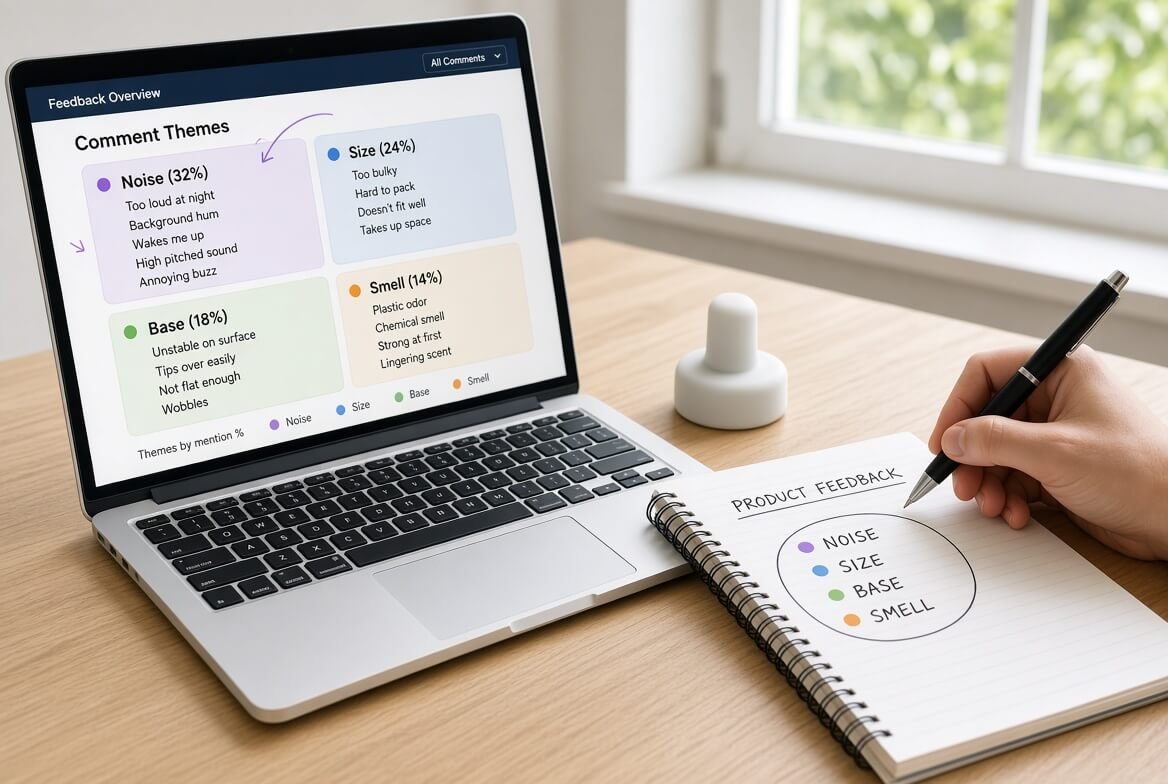
Use AI as a sorter. You stay the editor.
Leveraging AI for Predicting Market Trends in Pleasure Products
Trend tools can show rising terms: quieter wearables, inclusive sizing, discreet kits. Treat that as background, not a brief.
Your edge is not a global trend report. Your edge is the complaint your audience repeats to you. A trend can confirm you are not alone. It should not push you into a product you cannot stand behind.
Co-Designing with Customers: Making Complaints a Collaboration Opportunity
Fans already help you design, even if you never asked. Co-design just makes the loop clean and safe.
Turning Dissatisfied Customers into Product Ambassadors
The person who complained is often the best tester. They care enough to speak.
Invite a small group:
- Tell them what you are fixing
- Send a sample or run a tiny pre-check
- Ask for private notes
- Credit them only if they want credit
When the fix works, they do not feel ignored. They feel heard. That is stronger than a launch ad.
Crowd-Sourced Ideas: How to Invite Your Customers to Help Design
Keep crowd input narrow. Open suggestion boxes create chaos and IP risk.
Better prompts:
- “Which size gap should we add first?”
- “Quiet motor or stronger non-vibe wear?”
- “This color or that color for the first drop?”
You still own the brief, the NDA, and the final spec. Fans vote on options. They do not run the mold.
If you want help turning that vote into a sample, bring the short list to a factory talk. Ask for low MOQ, privacy, and a path from one complaint to one test batch.
FAQ
A:Repeat comments already name the problem. Turn that line into one change, sample it, and test it with the same fans.
A:Group the repeats, write a short spec, sample the fix, then run a small batch. Do not cut a new mold from one angry comment.
A:Safety bases, size jumps, firmness, clean-up, and noise. Vague taste notes can wait.
A:Use themes, not private DMs. Ask testers to opt in. Sign an NDA before sharing brand files.
A:Give tight choices: size, firmness, or color. Invite a small private test group. You keep the final spec.
If you already know what is wrong with the toys your fans buy, you do not need a bigger catalog. You need a safe way to turn that insight into one real product.
Turn Your Audience Into a Product. Bring the complaint, the use case, and the risk you will not take. We can help shape it into a design plan, protect the conversation, and test a small batch before you put your name on a line.