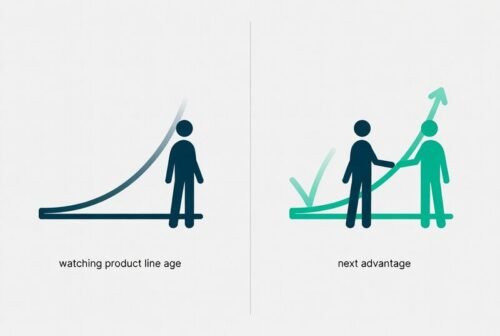
Stop Watching Your Product Line Age. Start Building Your Next Advantage.

Stop looking for a new factory. Start building a partnership that helps your brand keep growing.

Common Challenges We See With Established Brands

You already have sales, customers, and brand recognition. That part was hard-won.

But over time, a familiar set of challenges tends to appear:

  • Core products start to feel dated, yet meaningful upgrades take too long.
  • New product development moves slowly, often because feedback loops with suppliers are slow or incomplete.
  • You end up managing multiple factories or teams who don’t deeply understand your products or brand direction.
  • Competitors release similar items quickly, eroding the advantage you worked hard to build.
  • There’s rarely a single, capable partner who can think about both immediate improvements and long-term product strategy together.

This isn’t a failure of execution. It’s often the result of working with suppliers who are set up for transactions rather than ongoing product development.
What a Deeper Partnership Can Offer

For brands that already have traction, production capability alone is rarely the limiting factor.

What often becomes more valuable is having a partner who can stay involved over time — someone who understands your existing products, works with your data and feedback, communicates directly, and supports ongoing improvement rather than treating each order as a standalone project.

This kind of collaboration can help reduce friction in decision-making, shorten iteration cycles, and make it easier to keep your product line competitive as the market evolves. It shifts the relationship from mainly transactional to more strategic, which many growing brands find increasingly important as their business matures.

How We Help Established Brands Build Lasting Product Advantage

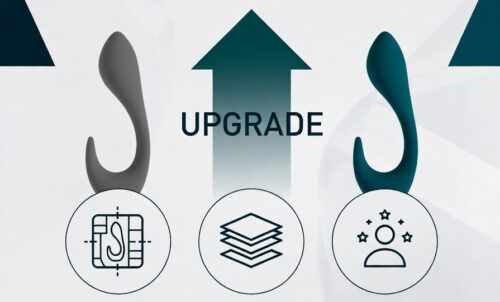
1. Existing Product Line Upgrade System

We systematically improve your proven products rather than only pushing new launches. By optimizing structure, materials, and user experience, we help increase product strength and perceived value without major cost increases.

Example: For a best-selling 7-inch silicone dildo, we adjust the internal core design and use a slightly firmer silicone blend only in the head area. This improves rigidity and sensation during use while keeping the external look and production cost almost the same.

2. Differentiated New Product Co-Creation

We work with your sales data and real customer feedback to identify opportunities. Through rapid prototyping and multiple iterations, we help you develop products that stand out instead of following market trends.

Example: Your data shows strong demand for hands-free use. We co-develop a new suction-cup dildo with a subtle, non-aggressive texture pattern based on actual customer comments (“grippy but comfortable”). This gives you a version that is harder for competitors to copy directly.

3. Long-Term Iteration & Optimization Mechanism

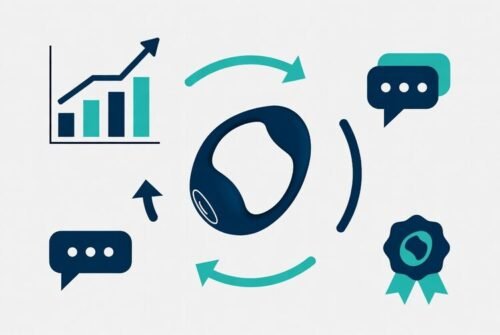
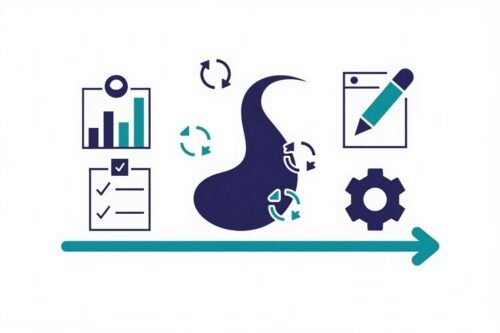
We help you build a repeatable process for continuous product improvement. This includes regular reviews, data-driven adjustments, and ongoing refinements in design and manufacturing — so your product line stays fresh and competitive over time.

Example: After launching an upgraded vibrator, we schedule quarterly reviews using your sales and review data. In the first cycle we notice frequent complaints about accidental button presses. We then adjust the button recess depth in the next mold revision and apply the same process to future products.

4. Strategic Partnership Development

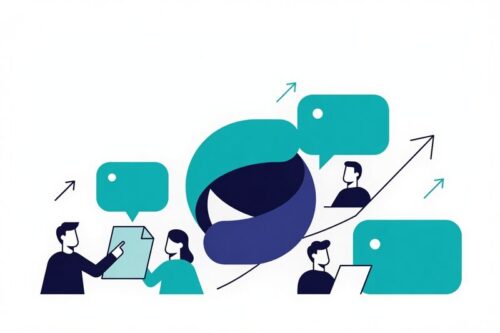
We move beyond transactional orders. You get a dedicated team, clearer communication, and more strategic input on product direction and supply chain planning, creating a foundation for sustained growth.

Example: Instead of only sending purchase orders, you have a dedicated project lead who joins monthly calls. Together we review upcoming category trends and plan 2–3 product updates 6–9 months in advance, rather than reacting only when sales drop.

How Collaboration Usually Begins

We keep the starting point simple and low-pressure:

  1. You share where your product line currently stands and what feels stuck.
  2. We have an open conversation about specific products, challenges, and goals.
  3. We start with one meaningful project — usually an upgrade to an existing product or a focused new development.
  4. If the collaboration feels right, we gradually build toward a longer-term working rhythm.

There’s no large upfront commitment required to begin exploring.

Ready to talk about your current products?

FAQ

Most OEM relationships focus on production execution. Our model emphasizes ongoing product improvement, clearer communication, and helping you make better product decisions over time.

No. Many brands start with one or two key products and expand the relationship based on results.

We also accept project-based work. However, we usually encourage brands to consider whether a longer-term collaborative approach would create more value.

We assign a dedicated point of contact and aim for direct, efficient communication. Our goal is to reduce back-and-forth while keeping you in control of key decisions.

We actively work on both. In many cases, improving what already sells delivers faster and more measurable impact than launching new products.