Many Amazon, Shopify, and TikTok Shop sellers start the same way. They ask a factory for stock, pick a few hot SKUs, and list them fast. That works at the beginning. It gets harder when every listing looks the same and the next seller undercuts your price.
This article is for ecommerce sellers who already know how to source, but want a clearer next step. You do not have to jump from a first wholesale inquiry into a full custom mold. You can move from ready-made goods to a branded line in stages: test, light customize, then lock in a stable product line.
Understanding the Shift: Wholesale to Private Label

What Is the Difference Between Wholesale and Private Label?
Wholesale adult toys means you buy existing products and resell them. The shape, color, and box are usually the same as other sellers. You can move fast and keep the first order small. The downside is simple. Buyers compare price first.
Private label sex toys means the factory still makes the product, but it sells under your brand. That can start with a logo, a color change, or a new box. It can later include light function changes. You still use proven molds. You do not need to design a toy from zero on day one.
Think of wholesale as renting a product. Private label is closer to owning the listing. On Amazon, that often means a cleaner path to your own offer instead of sharing one generic ASIN with ten other stores.
Why Consider Switching to Private Label?
Sellers switch when wholesale stops protecting margin. Platforms reward the lowest price on identical goods. One late shipment or one bad batch can wipe a month of ads. Reviews follow the product, not your store name.
Private label is useful when you want:
- A listing that does not look like every other silicone vibrator on the page
- Packaging that matches your store, not a factory default
- A reorder plan with the same factory, same spec, and fewer surprises
- A way to raise price without looking like the same item with a new title
You should not switch only because “branding sounds better.” Switch when you already see demand, but the current SKU has no room left.
Benefits of Private Labeling for Ecommerce Sellers
For adult toys for Amazon sellers, the first benefit is control. You set the box, the insert card, and the color story. You can also keep a low test order if the factory allows it.
For Shopify sellers, the benefit is the unboxing. Your site can sell a brand. A plain white mailer with no story cannot.
For TikTok Shop sellers, the benefit is speed with a twist. You still need a product that films well. A small color or packaging change can make the same core SKU feel new in a short video.
Across platforms, private label also helps you talk to one adult toy supplier instead of chasing a new vendor every time a listing dies.
Getting Started with Private Label Sex Toys
Step 1: Conduct Market Research and Identify Your Niche
Do not start with “I want a brand.” Start with a niche that already sells.
Look at:
- Search terms with steady orders, not only viral spikes
- Review complaints you can fix with better QC or clearer packaging
- Price bands where buyers still pay for a cleaner brand
- Categories where light changes matter: color, noise, charge time, discreet box
A good first niche is usually one product type, not ten. Bullet vibrators, compact silicone toys, couples extras, and simple male toys are common entry points. Pick what your store can explain in one listing. Then check return reasons. High return categories need stronger QC before you put your logo on the box.
Step 2: Finding Reliable Private Label Manufacturers
Price is not the first filter. A cheap quote that slips on lead time will cost more than a stable factory.
Ask for:
- Adult-product experience, not only “we can make silicone”
- Sample lead time and mass-production lead time as two different numbers
- What “low MOQ” actually means for logo, color, and box
- How they handle a bad batch
- What documents they can give you for materials and electrical parts
A silicone sex toy supplier should be able to talk about body-safe materials in plain language. If they only push the lowest unit price, keep looking. Sellers who compare three factories on samples, not PDFs, waste less money later.
Step 3: Understanding the Private Label Process
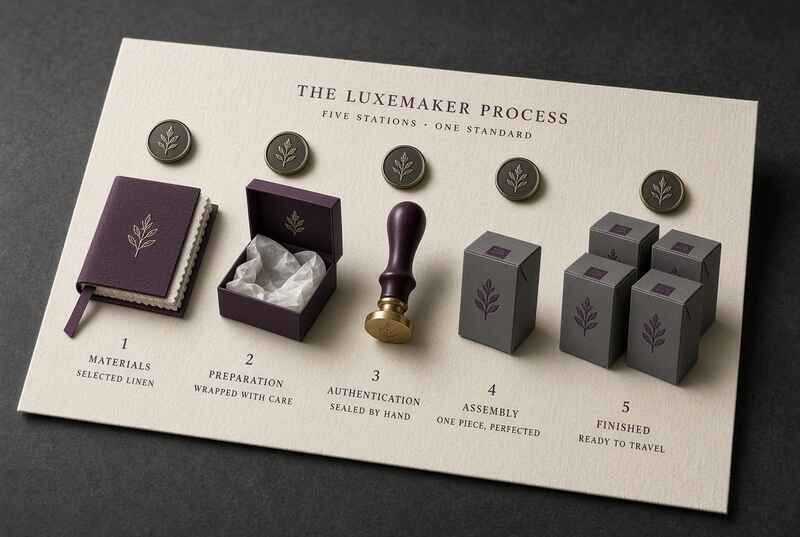
A practical process looks like this:
Reorder the winners. Drop the rest.
Send the sales channel, target price, and first quantity.
Shortlist catalog SKUs that already sell.
Order samples and compare them to the listing claims.
Agree on logo, color, and packaging.
Approve a pre-production sample.
Run a small order.
Check the bulk goods against the sample, not against memory.
Reorder the winners. Drop the rest.
That is the shift. The first inquiry is still a wholesale conversation. The second or third order becomes a line.
Do not skip the pre-production sample. The sample you liked in week one is not always the unit that arrives in week six.
Step 4: Design and Customize Your Products
Most ecommerce sellers should start with light customization. Full new molds take more money and more time. They also raise risk if the first listing is weak.
Logo engraving, colors, and textures
Logo on the product or on the box is the fastest brand mark. Color is the next. A catalog toy in one extra color can support a new listing without a new mold. Texture changes should stay small at first. Buyers notice a sticky surface or a weak coating faster than they notice a new pattern name.
Packaging design: Eco-friendly, luxurious, or discreet options
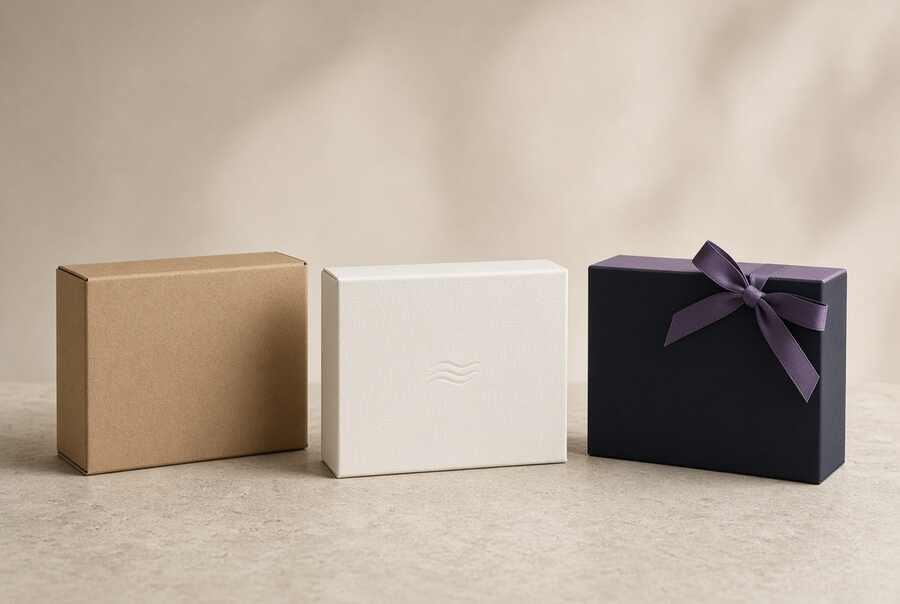
Custom packaging does more work than many sellers expect. Amazon needs a sturdy outer pack, a readable label, and a box that survives FBA. Shopify needs an unboxing that looks like a brand. TikTok needs a pack that can show up on camera without looking cheap.
Three useful directions:
- Discreet: plain outer carton, no explicit text on the shipper
- Clean retail: simple box, clear material notes, no clutter
- Premium: better insert, better finish, fewer claims on the front
Pick one direction and keep it consistent. Mixed packaging makes the store look like a trading account.
Components of a Successful Private Label Strategy
Building Your Brand Identity
Your brand is not a logo file. It is what stays the same across SKUs: material standard, box style, and the promise you can keep.
Differentiation through materials, aesthetics, and functionality
Sellers lose when they only change the title. Better lines change one real thing buyers can feel:
- Material grade and finish
- Color set that belongs to your store
- Quieter motor or simpler charging
- A box that matches the price
If two listings use the same mold and the same photos, the cheaper one usually wins. If your version is easier to clean, easier to charge, or clearer on the box, you have a reason to hold price.
AI-driven and customizable options in product designs
Some 2026 catalogs now add app modes, pattern libraries, or simple “pick your colorway” options. Treat these as extras, not as the whole brand. An app feature only helps if the core toy is quiet, reliable, and easy to explain. Custom modes also need support. If your team cannot answer buyer questions, keep the first line simpler.
Marketing Private Label Sex Toys Without Ad Bans
Adult listings get restricted ads. Plan for that from the start.
Using blogs, influencer collaborations, and unboxing videos
Own-site blogs help Shopify stores rank for sourcing and product terms. Creators help TikTok and short-form tests, but they need a product that can be shown within platform rules. Unboxing videos work when the pack is clean and the claims stay factual. Do not lean on explicit demo clips if the channel will cut them.
Compliant SEO best practices for adult keywords
Write like a seller, not like a landing-page generator. Use the words buyers type: material, size range, noise, waterproof rating, who the product is for. Keep titles specific. Keep images within platform rules. On Amazon, weak claims and suggestive photos create more risk than they create clicks. On your own site, one clear page per product line beats ten thin posts.
Legal Considerations for Private Labeling Sex Toys
How to Ensure Compliance with Adult Product Regulations
Rules change by market. Amazon, Shopify payments, TikTok Shop, and customs do not use the same checklist. Before you print a brand name on a toy, confirm:
- The category is allowed on that channel
- Product photos and copy follow that channel’s adult rules
- The shipper and inner box will not create customs problems
- You can show how the product was bought and tested
If you sell in more than one region, do not copy one label text everywhere. A US listing and an EU shipment can need different marks and different claims.
Certifications to Look Out For (CE, RoHS, FDA, etc.)
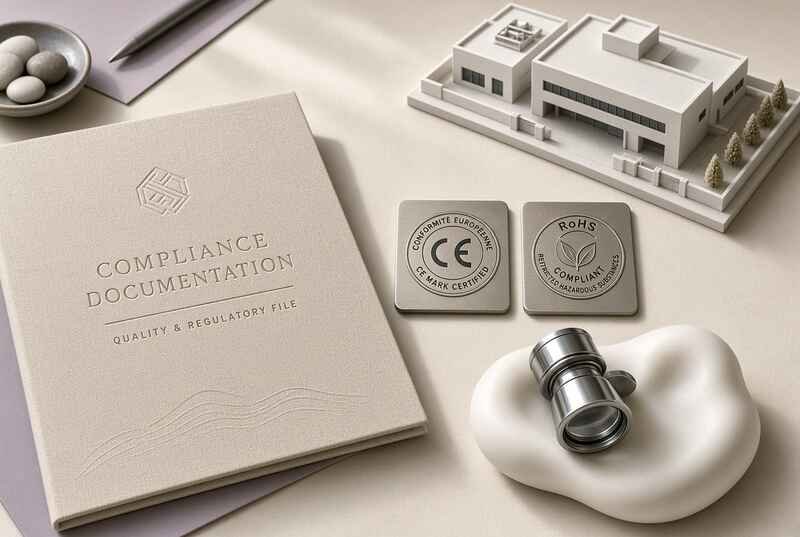
Ask for documents that match the actual product, not a folder from another SKU. Common papers sellers request include CE, RoHS, and material or device files tied to the model. FDA is not a magic stamp for every adult toy. Use it only when it applies to the product and the claim you want to make.
Keep files by batch. If a listing gets questioned, a general factory brochure is not enough.
Protecting Your Custom Product Designs from Copycats
A logo on a common mold is easy to copy. A full unique mold is harder, but it costs more. Most sellers protect themselves first with:
- Their own photos and listing copy
- Packaging that other sellers do not have
- A factory agreement on who can sell the same decorated version
- Fast reorders, so a copier cannot empty your size or color story
If you later pay for a new mold, get the ownership terms in writing before production starts.
Profitability and Growth Opportunities
What Are the Margins for Private Label Sex Toys?
Wholesale margins look better on the first quote. They shrink when ads, returns, and discounting start. Private label often costs more per unit because of the logo, box, and extra QC. The point is not a lower factory price. The point is a higher selling price that can hold.
A simple way to check the math:
- Unit cost after branding
- Freight and fees
- Expected return rate
- Ad cost to get the first reviews
- Price you can keep without matching the cheapest generic
If the branded version cannot hold a higher price, stay at wholesale on that SKU and pick a different item for the brand line.
Advantages of Subscription Models for Recurring Revenue
Subscription is not for every toy. It works better for consumable extras, care items, or a planned refresh than for one expensive device.
Discreet subscription services
Some stores now sell a discreet monthly box: a small toy, a cleaner, or a limited colorway. This only works if shipping stays plain and inventory is stable. A missed month kills trust faster than a late wholesale restock. Use subscription after the first SKUs already reorder well.
Top Private Label Sex Toy Categories with High ROI
High ROI usually means: proven demand, manageable returns, and room for a brand box. Sellers often start with:
- Compact silicone toys that can change color or pack
- Simple vibrators with clear specs
- Couples accessories that bundle well
- Male toys with better finish and cleaner packaging
- Starter kits that raise order value without a new mold
Avoid building the first line on the noisiest, most copied viral shape unless you can change more than the title.
Top Trend-Driven Strategies for 2026
Leveraging Eco-Friendly and Body-Safe Materials as Differentiators
Buyers ask what the toy is made of. Sellers get returns when the answer is vague. Body-safe materials, clean silicone grades, and honest care notes are now part of the listing, not a side claim. Eco-friendly packaging helps when it still protects the product. A weak “green” box that arrives crushed will not help the brand.
Regional Opportunities in Emerging Markets
Some sellers add a second channel after Amazon US: Shopify for brand control, or a regional shop with different pack language. Emerging markets can work if you already have a stable factory and a simple SKU. They fail when you copy a US listing, keep the same claims, and hope the logistics will sort themselves out. Start with one extra market and one product family.
Seasonal Trends in Adult Product Sales (Q1–Q4 2026)
Plan inventory by season, not by mood.
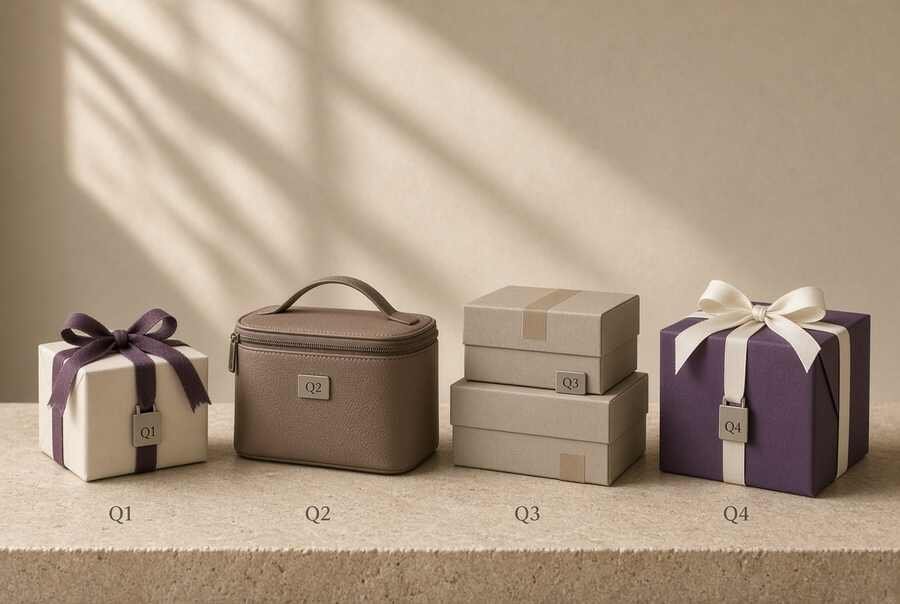
- Q1: gift leftovers and “new year” wellness positioning
- Q2: lighter kits and travel-friendly sizes
- Q3: restock before peak ads; test one new colorway
- Q4: gift sets, discreet outer boxes, and earlier production slots
The sellers who win Q4 are the ones who locked packaging in Q2. Holiday orders do not leave time for a new box die-cut.
FAQ
A:Pick one or two catalog SKUs that already sell. Sample them. Add a logo and new packaging first. Run a small branded order. Keep wholesale only for the low-price offer. Put budget on the SKUs that hold price and restock on time.
A:Adult-category experience, sample-to-bulk consistency, clear lead times, and documents for that exact model. Also check mixed orders and reorders. A factory that only chases new buyers will not protect your stock later.
A:Yes. Risks sit in claims, images, category rules, and paperwork. A brand name on the box does not change platform or customs rules. Keep claims factual and files ready. Do not copy another brand’s photos or certificates.
A:Use what each channel allows. On your site, write clear product pages. On marketplaces, improve the pack, photos, and specs. Work with creators only if the assets can pass review. Do not depend on one ad account.
A:Categories you can explain, restock, and pack well. Compact silicone toys, simple vibrators, bundle extras, and cleaner male toys are common first-line picks. Viral shapes can sell, but they get copied fastest.