
Your name is the business. Fans pay because they trust your taste, your honesty, and the way you talk about pleasure. That trust is easy to spend and slow to rebuild.
A toy can help you. It can also follow you. If you promote a product that smells, breaks, irritates skin, or looks nothing like the photos, people do not only blame the factory. They remember that you put your face next to it.
This article is for adult content creators who review toys, take brand deals, or want to turn fan requests into their own product. The goal is simple: protect your name before a bad item becomes part of your story.
Understanding Your Digital Reputation
What is a digital reputation?
A digital reputation is what people believe about you after they scroll. It is not only your bio. It is comments, screenshots, review clips, old lives, and the way fans describe you in group chats.
For an adult creator, that reputation is unusually sticky. A clip of you praising a toy can outlive the product. A complaint can sit in search results long after you moved on. You do not fully own this record. Fans, platforms, and other sites keep copies.
In practice, people judge four things: whether your recommendations feel honest, whether the product matches what they receive, whether you disappear when something breaks, and whether following you still feels safe.
How does a digital reputation affect adult content creators?
Adult platforms already make trust harder. Payments can fail. Accounts can get flagged. Family or work can find old posts. On top of that, many fans buy because you used the product on camera or talked about it like a friend.
That is why a toy is never only merch. A good one becomes a content hook and a quiet extra income stream. A bad one looks like you cashed out on people who already pay you. If a supply partner is sloppy, your legal name, shipping details, or unreleased design can also leak into the wrong inbox.
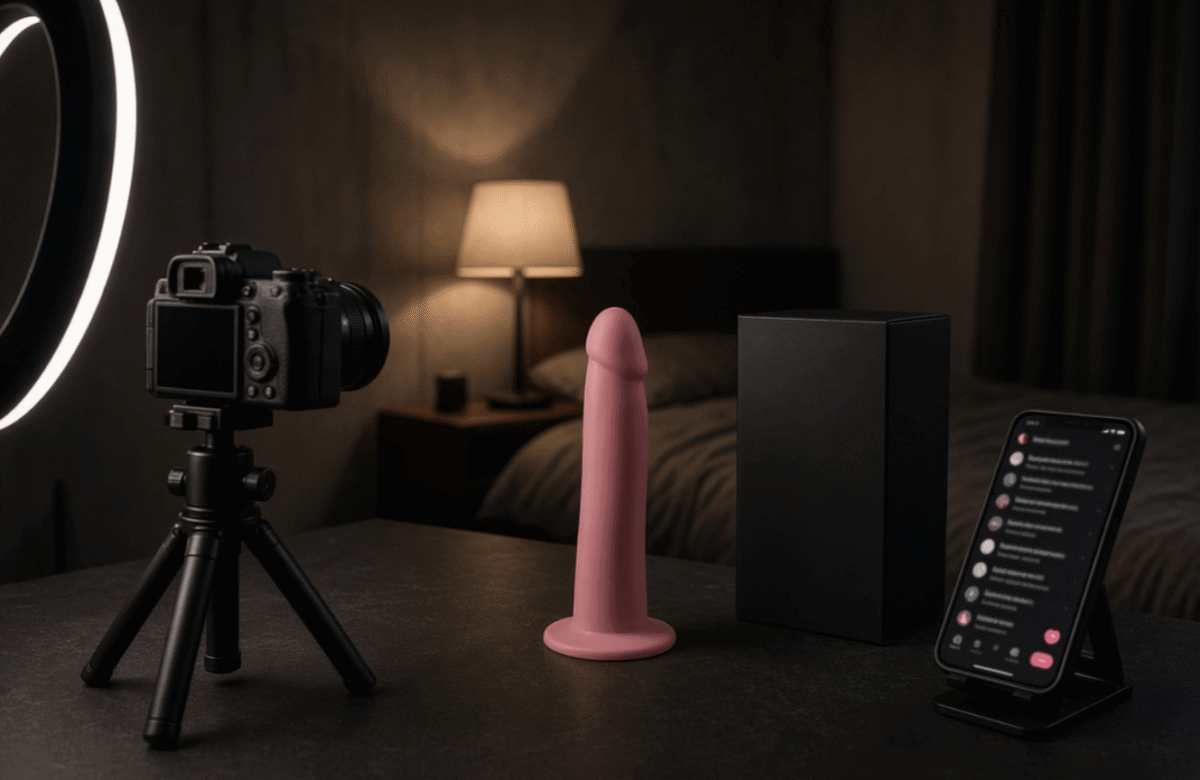
Creators who later launch a private label feel this even more. The product carries your taste. If quality slips, fans do not say the factory missed a spec. They say you sold them something you would not keep using. Brands and factories look you up for the same reason. They want to know if you stand behind what you promote, and if you can stay discreet.
The importance of maintaining a positive digital footprint
A clean footprint does not mean you never have a bad day on camera. It means the public record shows care. That record helps you keep subscribers when a launch is slow, ask for better terms on a deal, and move from affiliate links to your own product without looking careless.
Adult content already sits under extra judgment. You do not need a product scandal on top of platform risk. Treat every toy you touch as part of your public file. One weak batch is recoverable if people can see that you checked, disclosed, and fixed it. It is much harder to recover if the file only shows silence.
The Risks of Poor Product Choices
Can using a cheap sex toy hurt my online brand?
Yes. Cheap is not the same as affordable. The risk is not the price tag. The risk is what the user feels after five minutes.
Fans compare their unboxing to your content. If the gap is wide, they assume you knew — even if you did not. Harsh smell, sticky surfaces, motors that die, skin irritation, failed charging, or packaging that is loud in a shared building all travel faster than a polished shoot.
If you later sell a toy under your own name, that memory comes back. People will ask whether your line is another rushed logo on a stock mold. Quality is not a factory detail. It is brand safety.
Will negative toy reviews make fans unfollow me?
Not every bad comment causes an unfollow. Patterns do. Fans can accept that one item disappointed you. They leave when they feel used.
That usually happens when many people report the same defect and you stay silent, when you pin praise and hide problems, or when you rotate toys every week and never follow up. It also happens when an item sold as body-safe does not match basic care claims.
Unfollows are only part of the cost. Screenshots travel. A short rant can show up months later, when a new fan is deciding whether you are worth paying. One honest “this one disappointed me” clip can protect you. A wall of unpaid complaints cannot.
How do adult creators vet sex toys before promotion?
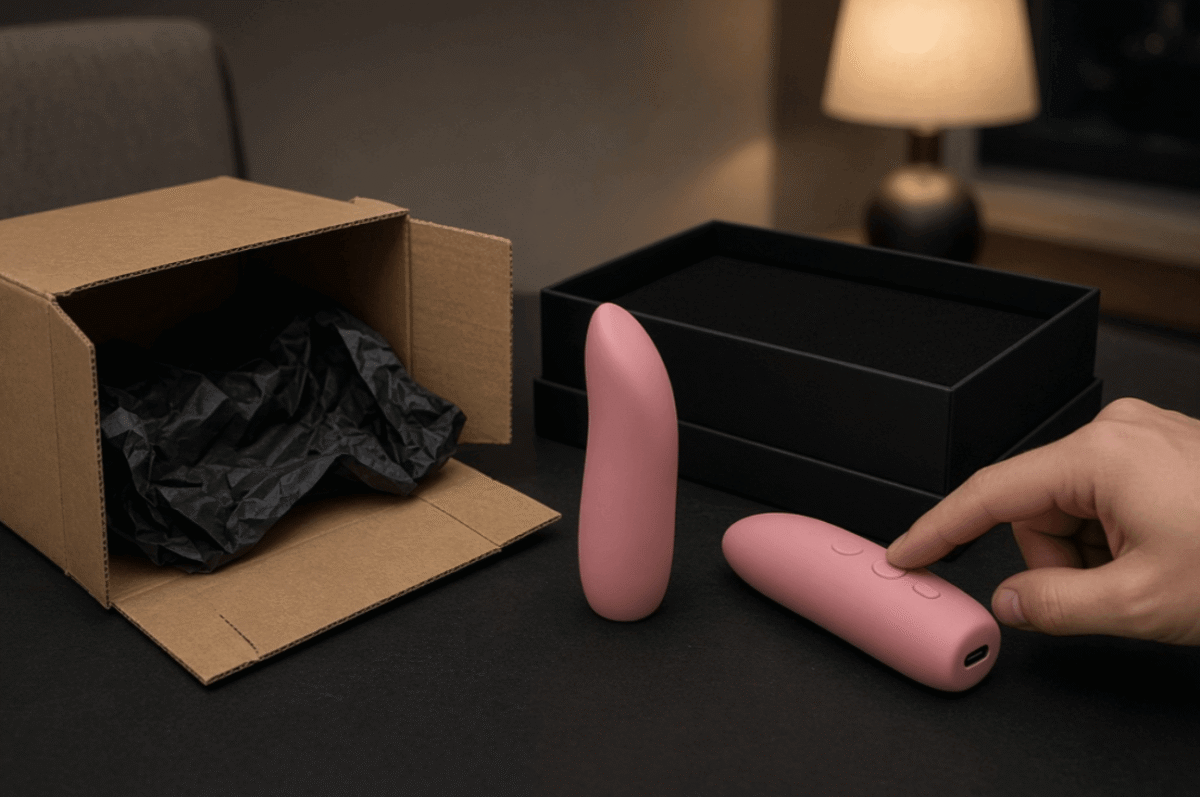
Do not vet with one unboxing. Vet like your name is printed on the box. Use the toy on your own time, not only for a twenty-second shot. Check noise, heat, buttons, and cleanup. Read the material claims and ask what the surface actually is. If you can get two units, compare seams, color, and motor strength.
Then look at the product the way a fan would. Would you be calm if this box arrived at a shared building? Who replaces a dead unit? Who answers mail when a batch fails? If you are developing your own design, keep identity off the first quote. Use an NDA, a work email, and a small test run. A supplier who cannot explain sampling and inspection is asking you to bet your reputation for them.
Strategies to Protect Your Reputation
How to safeguard your reputation as an adult content creator
Build one rule: nothing goes public until you would still stand next to it next month. You do not need a huge operations team. You need a pause button.
Keep a private note on every toy you feature — brand, batch, what failed, what fans said. Separate “I was paid to try this” from “I would buy this again.” Do not rush a launch because a factory offered a fast ship date. If the product will carry your name, start with a sample and a low-quantity run. Put privacy in writing: who can use your face, your handle, and your unreleased design.
Leave time between sample and content. Tired creators approve things they later regret. Give fans one quiet way to complain so they do not have to perform anger in public to get help.
Transparent product reviews as part of creator branding
Transparency is not a long apology video. It is clear labeling. Fans can handle mixed reviews. They struggle with surprise.
When you review or launch a toy, say what you paid for, what you were gifted, and what you designed. Name the limits: noise, size, charge time, cleanup. Show the real color and finish. Tell people who the toy is for, and who should skip it. Update the post if a later batch changes.
This kind of review does two jobs. It protects current fans. It also becomes proof that you can brief a factory later. “My audience hates this seam” is a better product note than “make it luxury.” Your lived use is already research. Specific complaints are design input.
Addressing defective toy incidents publicly — should you?
Sometimes yes. Not always in a long live stream.
Go public when many buyers have the same fault, when the defect can affect skin or safety, when your own shop or link sold the item, or when silence would look like you hoped nobody would notice. Keep that first post short. Say what went wrong, who should stop using it, how people get a replacement or refund, and what you will change next time.
Stay private when one unit failed and the maker already replaced it, when the complaint includes another person’s body or address, or when a platform or lawyer asked you not to share details yet. Public does not mean chaotic. An on-camera apology with no replacement plan makes the story worse. Honesty plus a real fix protects you. Performance without a fix does not.
Collaborating with Brands for Success
Ethical sex toy sourcing and creator accountability
Ethics here is practical. Fans cannot see the workshop. They can see whether you asked hard questions.
Accountability means you know what touches skin, you know the toy was inspected rather than only photographed, and you did not copy another creator’s design and call it original. It also means you did not ship a first idea at full volume, and you did not hand a factory your subscriber list “for research.”
If you move from promoting other brands to making your own, the bar goes up. You are no longer only a reviewer. You are the face of the supply chain. Low MOQ, sample checks, and a written privacy rule are part of ethics, not extras. Fast should mean a tight brief and a small test, not a silent pile of untested goods.
Collaborating with Brands for Success
Ethical sex toy sourcing and creator accountability
Ethics here is practical. Fans cannot see the workshop. They can see whether you asked hard questions.
Accountability means you know what touches skin, you know the toy was inspected rather than only photographed, and you did not copy another creator’s design and call it original. It also means you did not ship a first idea at full volume, and you did not hand a factory your subscriber list “for research.”
If you move from promoting other brands to making your own, the bar goes up. You are no longer only a reviewer. You are the face of the supply chain. Low MOQ, sample checks, and a written privacy rule are part of ethics, not extras. Fast should mean a tight brief and a small test, not a silent pile of untested goods.
Building partnerships with trustworthy toy brands
A good partner talks like an adult business, not like a dropship ad. They can sign an NDA before you send sketches, face photos, or fan language. They can turn one clear complaint into a design note. They can show how sampling works, including what you can change after the first piece.
They should also offer a small production run so you are not sitting on stock, keep your legal name and content identity separate in files and shipping, and replace defective units without making you argue in public. Trust is built in the boring steps: revisions, inspection photos, and who answers when a motor batch is weak.
If every message is “no problem, we can do any logo,” keep looking. A toy can be the hook in your content. The real asset is a partner who can sit on a product call and not leak the work.
Ensuring quality assurance through transparent collaborations
Quality assurance is a shared list, not a feeling. A clear collaboration usually starts with a written spec — size, material, color, function, packaging — and one approved sample before any larger order. Production checks should include photos or video from the actual lot, not only from a showroom shelf.
Agree in advance what “fail” means on the first small batch, and give buyers a private way to report defects. You do not have to livestream the factory floor. You can tell your audience that you approved a sample, you held the first lot, and you will pull a batch if it does not match. That is enough for most fans. It also keeps you from promising a perfect object that no workshop can hold every week.
If you want help turning a specific fan complaint into a sample you can test in small volume, that conversation belongs off the feed. The public post should only carry what you are willing to stand behind.
FAQ
A:One bad clip rarely ends an account. It leaves a mark if you sold the toy, ignored repeat faults, or stayed quiet while fans compared notes.
A:Yes when many people have the same problem, skin or safety is involved, or your link sold the item. Keep the post short and give a refund or replacement path; stay private when it is one unit or another person could be exposed.
A:Your work is public, so mistakes travel and platforms can cut reach or payments. When you add toys, that same visibility turns a factory fault into your brand problem.
A:Say when a post is paid, and do not call a toy body-safe unless you know the surface. If you launch your own line, use an NDA, a small test run, and a partner who will pull a bad batch.
A:Volume is not what hurts you. A careless toy deal is. Trust is still scarce, and a product that matches what you already tell fans will stand out more than another logo.