Understanding TPE and Silicone
What is TPE (Thermoplastic Elastomer)?
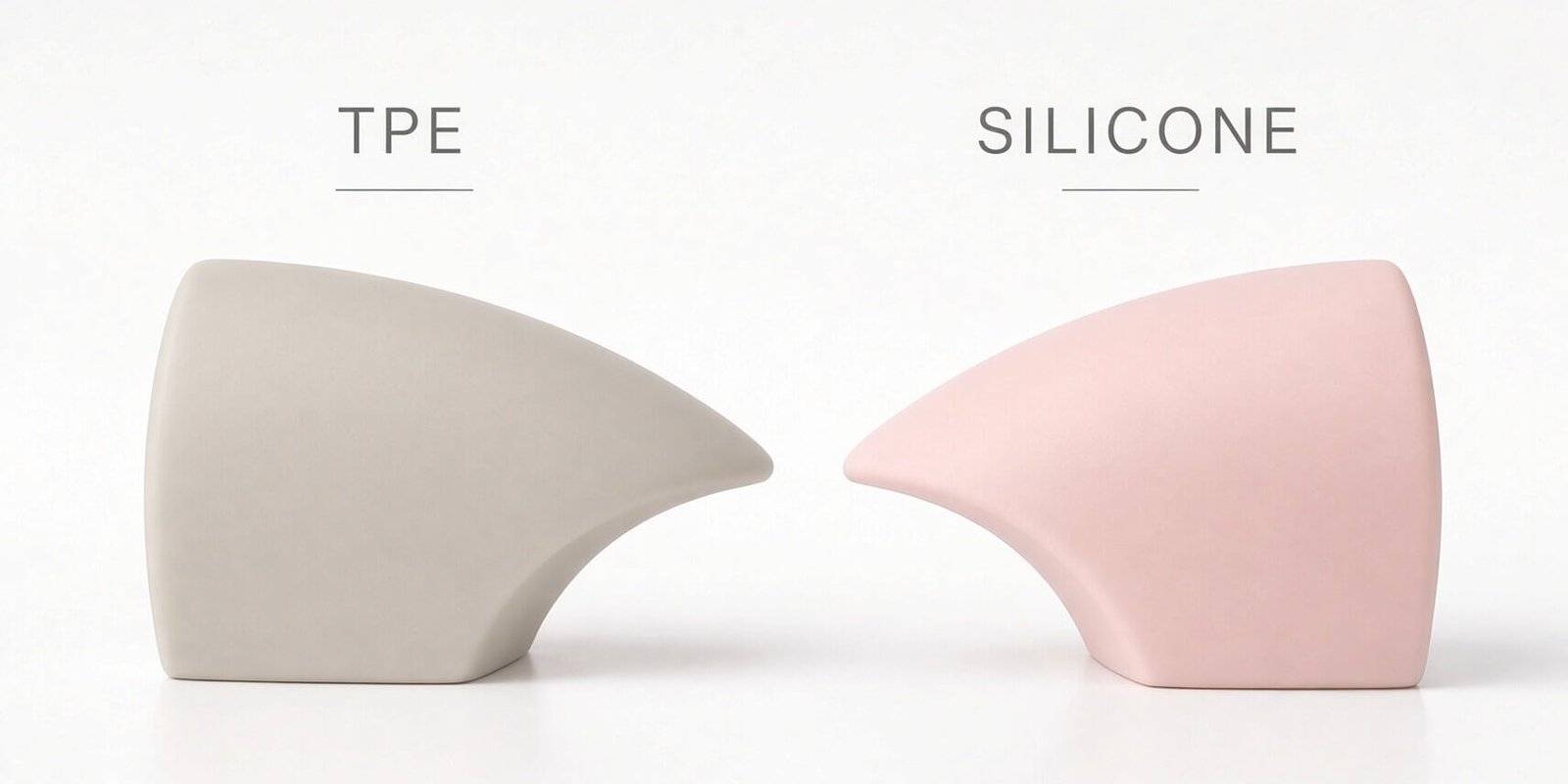
TPE is a thermoplastic elastomer that can be melted and reshaped when heated. It is commonly used in adult products because it is soft, flexible, and relatively low-cost to manufacture. TPE products can be produced through injection molding, which allows for complex shapes at lower tooling costs compared to silicone.
What is Silicone
Silicone is a synthetic polymer known for its stability and durability. In adult products, platinum-cured liquid silicone is the most common grade used. It does not melt when heated and maintains its properties across a wide temperature range. Silicone is typically molded under heat and pressure, which requires more specialized equipment and higher initial mold costs.
Key Differences Between TPE and Silicone
Material Properties and Resistances
TPE is softer and more flexible in lower hardness grades, but it is porous at a microscopic level. Silicone is non-porous, which means it does not absorb moisture or bacteria. Silicone also has better resistance to oils, chemicals, and UV exposure. TPE can degrade when exposed to certain oils or prolonged heat.
Temperature Tolerance
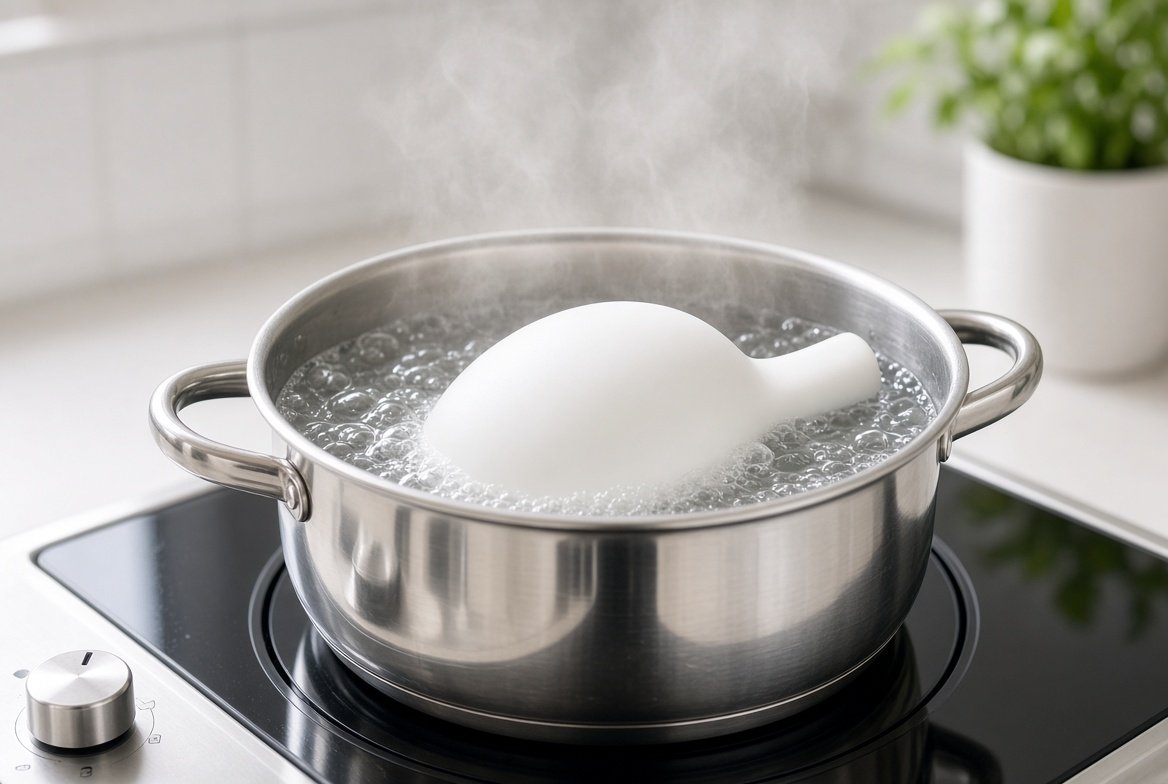
TPE typically softens or deforms above 60–80°C. Silicone remains stable from roughly -40°C to over 200°C. This difference matters for cleaning and storage. Silicone can be boiled or washed in hot water without damage, while TPE cannot.
Durability and Material Feel
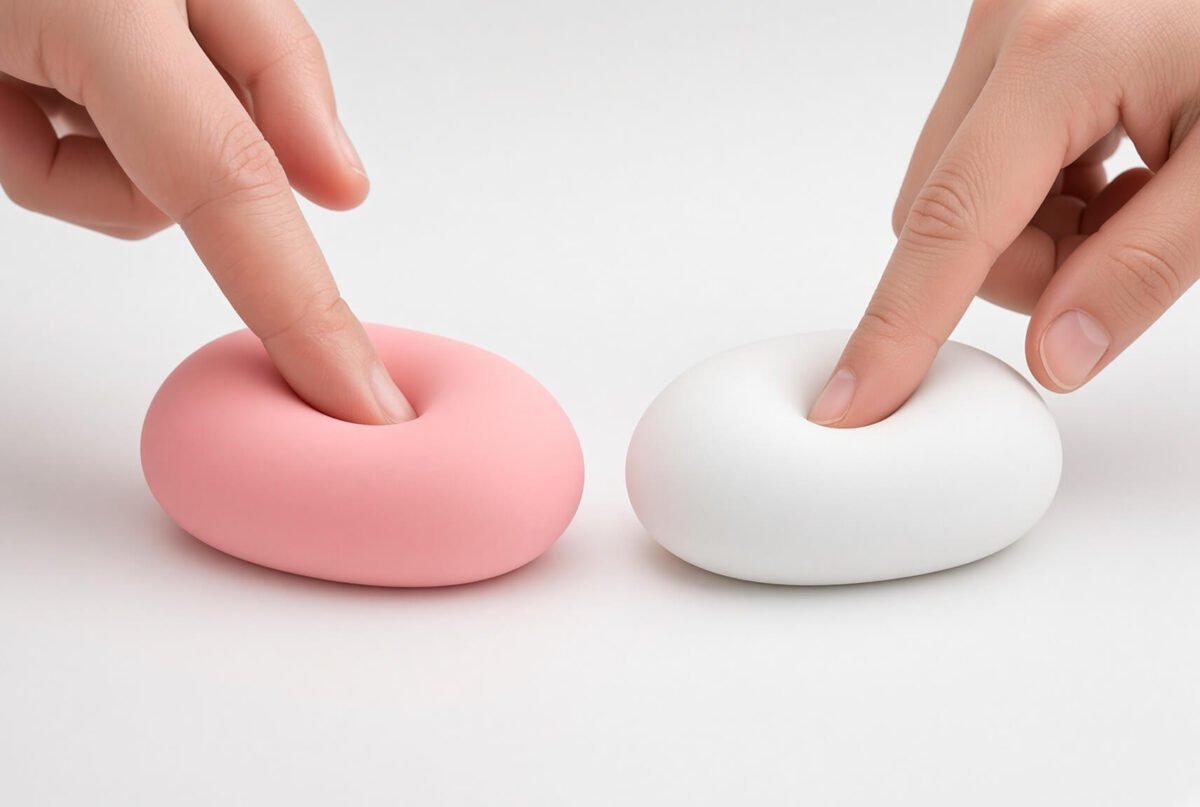
TPE feels softer and more “skin-like” in many formulations, but it wears faster. Surface tackiness and tearing are common issues over time. Silicone has a more consistent, smooth feel and holds its shape longer. Dual-density silicone options allow different hardness levels within a single product.
Cost Considerations
TPE is generally cheaper to produce. Material cost is lower, and molds are less expensive. Silicone has higher material and mold costs. For small-batch or custom projects, the cost gap is noticeable. For larger runs, the difference narrows but still favors TPE on price.
Sustainability and Environmental Impact
TPE is thermoplastic and can be remelted, which makes recycling theoretically easier. In practice, adult product TPE is rarely recycled due to contamination concerns. Silicone is more durable and lasts longer, reducing replacement frequency. Both materials are petroleum-based, and neither biodegrades quickly.
Applications and Use Cases
TPE in Various Industries

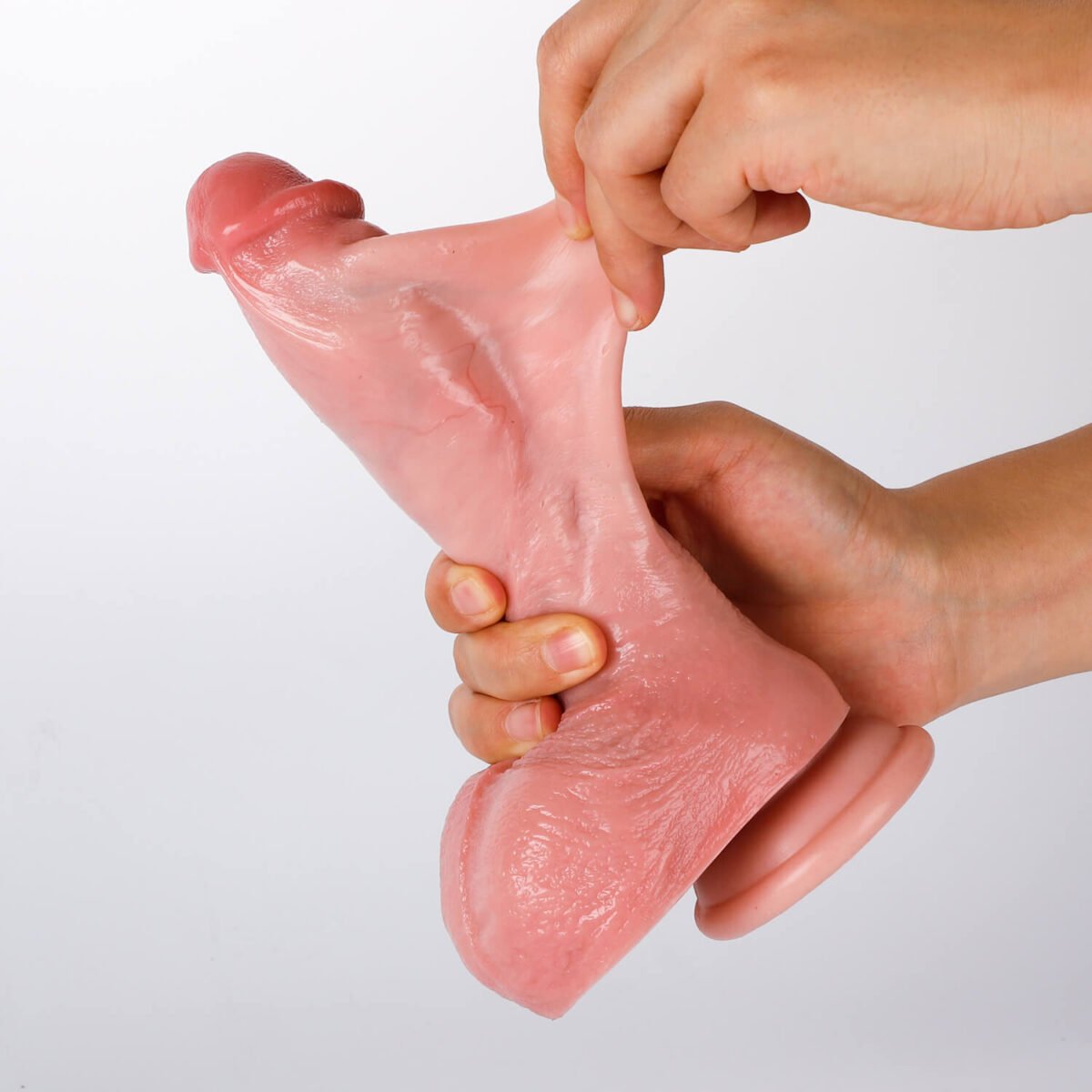
TPE is used in medical tubing, consumer goods, and automotive parts. In adult products, it appears in lower-priced dildos, sleeves, and some realistic items where softness is prioritized over longevity. It is suitable for products that are not shared and can be replaced more frequently.
Silicone Applications
Silicone is standard in medical devices, kitchenware, and higher-end adult products. It is preferred for items intended for shared use, repeated cleaning, or long-term ownership. Double-ended designs, curved forms, and products with complex internal structures are commonly made in platinum-cured silicone.
Tactile Feel and Detail
The Feel of TPE
TPE can be formulated to be very soft and slightly sticky. This texture appeals to users who want a more pliable surface. However, the stickiness increases over time as the material breaks down, and fine surface details can wear away.
The Feel of Silicone
Silicone has a smoother, more consistent surface. It does not become sticky with age. Hardness can be controlled precisely by adjusting the mixing ratio of the liquid silicone. Surface textures can be molded in and remain stable.
Durability and Lifespan Comparison
Longevity of TPE Products
TPE products typically last months to a couple of years with regular use, depending on care. They can develop surface cracks, permanent deformation, or odor. Storage away from heat and oils helps, but the material still degrades.
Longevity of Silicone Products
Silicone products commonly last several years. They resist tearing better in higher hardness grades and do not absorb odors or stains when cleaned properly. The main failure modes are physical damage from sharp objects or extreme stretching beyond design limits.
Safety and Hygiene
Safety of TPE
Medical-grade TPE exists, but many adult products use lower grades. TPE can leach plasticizers in some formulations. It is more difficult to fully clean because of its porous structure. Shared use increases risk if cleaning is incomplete.
Safety of Silicone
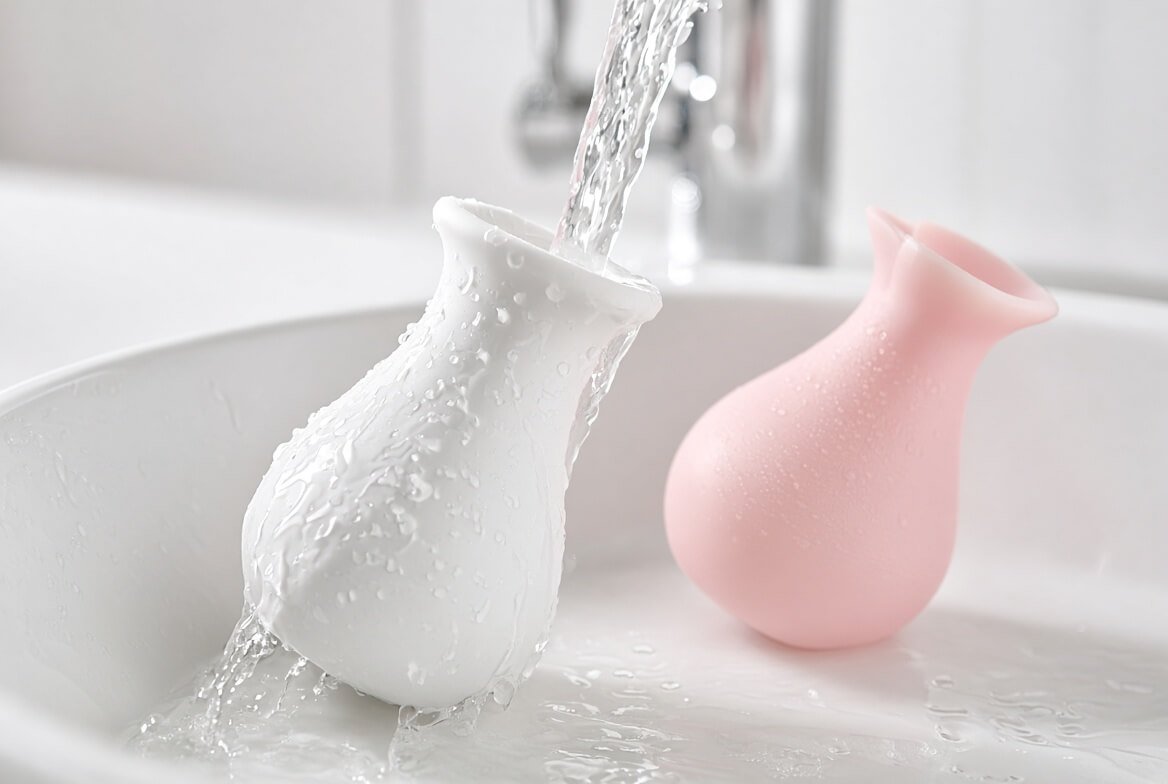
Platinum-cured silicone is widely regarded as body-safe. It does not contain phthalates and is non-porous. When properly cured, it does not leach substances. It can be sterilized more effectively than TPE. This is why silicone is preferred for products that may be shared.
Odor, Weight, and Texture
Odor Differences
New TPE often has a mild chemical or plastic smell that fades but can return with age or poor cleaning. Silicone is nearly odorless when cured correctly. Any strong smell in silicone usually indicates incomplete curing or contamination.
Weight Considerations
TPE is generally lighter than silicone of the same volume. For large products, this difference is noticeable. Silicone has a denser feel that some users prefer for realism, while others find it heavier than expected.
Economic Value
Evaluating the Value of TPE
TPE makes sense when the priority is low upfront cost and the product will see limited or individual use. The lower price allows brands to test designs or offer entry-level options. Replacement cost is lower if the product wears out.
Evaluating the Value of Silicone
Silicone costs more initially but reduces long-term replacement and hygiene concerns. For brands targeting users who value durability and easy cleaning, the higher price is easier to justify. Custom hardness and dual-density options also add value that is harder to achieve in TPE.
Care and Maintenance
Maintaining TPE Products
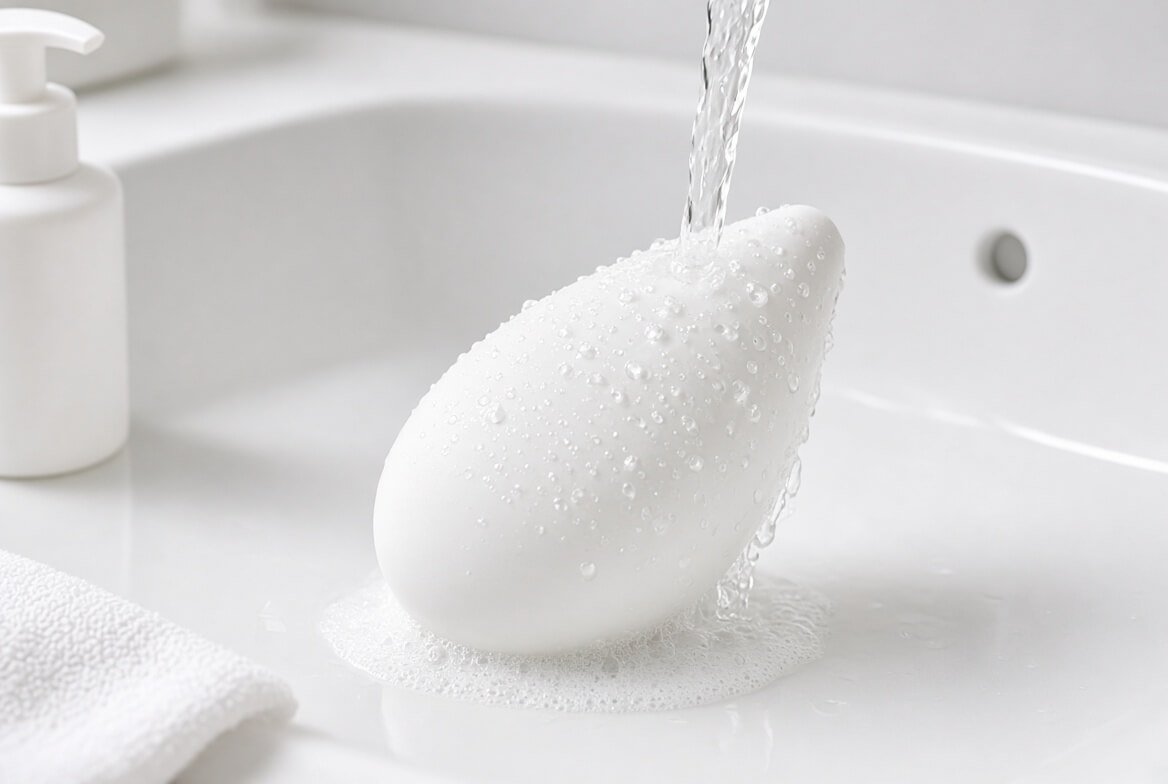
TPE should be cleaned with mild soap and lukewarm water. Avoid boiling, dishwashers, or oil-based products. Store away from other soft materials to prevent reactions. Even with careful care, the material will eventually degrade.
Maintaining Silicone Products
Silicone can be cleaned with soap and water, boiled, or washed in the dishwasher (top rack). It tolerates most cleaning methods. Avoid silicone-based lubricants if the product is pure silicone, as they can cause swelling. Proper cleaning keeps the surface stable for years.
Recyclability and Environmental Trends
Recyclable TPE vs. Durable Silicone
TPE can technically be recycled by remelting, but collection and cleaning systems for used adult products do not exist at scale. Silicone is harder to recycle but lasts longer, so fewer units enter waste streams. Both materials currently end up in landfills in most cases.
Future Trends in Material Sustainability
Some manufacturers are exploring bio-based TPE and lower-impact silicone formulations. Neither is mainstream yet. The practical environmental gain today comes from longer product life rather than end-of-life recycling.
Medical-Grade and Sterilization Comparisons
Safety in Medical Applications
Medical-grade silicone has a long history in implants and devices. Medical-grade TPE is used in some tubing and disposable items but is less common for long-term skin contact. In adult products, “medical-grade” claims require verification of the specific formulation.
Sterilization Methods and Efficacy
Silicone can be autoclaved or boiled. TPE cannot withstand these methods. Alcohol wipes work on both for surface cleaning, but they do not sterilize porous TPE as effectively as non-porous silicone.
Conclusion: Making the Right Choice
TPE offers lower cost and a very soft feel, but it is less durable, harder to clean thoroughly, and degrades over time. Silicone costs more and requires higher tooling investment, yet it provides better hygiene, longer life, and more stable performance. For products intended for shared use, frequent cleaning, or long-term ownership, silicone is the more practical material. TPE remains viable for lower-priced, individual-use items where replacement is acceptable.
A:No. TPE is better when cost and extreme softness are the main priorities and the product will not be shared. Silicone is better for hygiene, durability, and shared use.
A:TPE is porous, degrades over time, can develop odor, and cannot be sterilized by heat. It is less suitable for shared products.
A:TPE can be remelted in theory, but practical recycling of used adult products is rare. Silicone is durable but difficult to recycle. Neither is widely recycled today.
A:Platinum-cured silicone is generally considered safer for prolonged or shared skin contact because it is non-porous and stable. TPE safety depends heavily on the specific formulation.
A:Silicone typically lasts significantly longer. TPE products often need replacement within one to two years of regular use, while silicone can last several years.