
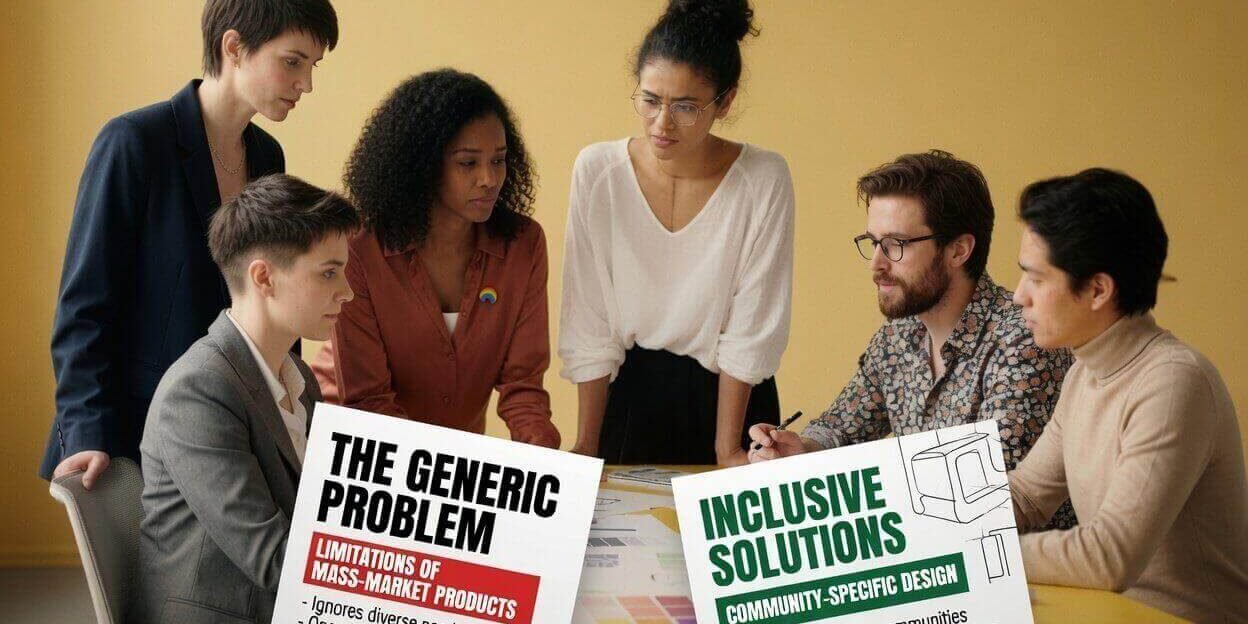
Introduction
The adult toy industry has long optimized for mass production and broad appeal. Yet real users bring highly specific needs shaped by identity, body, ability, and community context. When products ignore these realities, both individuals and the brands serving them lose out.
Understanding the diversity of adult toy users
Users span LGBTQ+ communities, transgender and non-binary people, disabled individuals, plus-size or petite bodies, kink and fetish practitioners, and those seeking body-inclusive or women-focused self-pleasure options. Many require special sizes, structures, colors or usage scenarios that generic designs simply do not address. Others are highly sensitive to expression methods and privacy. Inclusive adult toys succeed only when every micro need is respected rather than averaged away.
The rise of community-specific need in pleasure products
Greater visibility on social platforms, creator economies, and open discussions about pleasure have made the limitations of generic products impossible to ignore. Users and the community-focused brands that serve them now expect toys developed for clearly defined groups instead of diluted mass-market versions.
Traditional factories often remain unwilling to listen to niche demands or invest in non-standard work. Brands that prioritize value alignment and community trust gain loyalty; those that do not risk backlash. Manufacturers ready to support this shift help turn specific needs into viable products. Brands exploring how to serve defined user groups with genuine care can review practical criteria on our page about Niche & Inclusive Adult Brands.
Issues with Generic Adult Toys
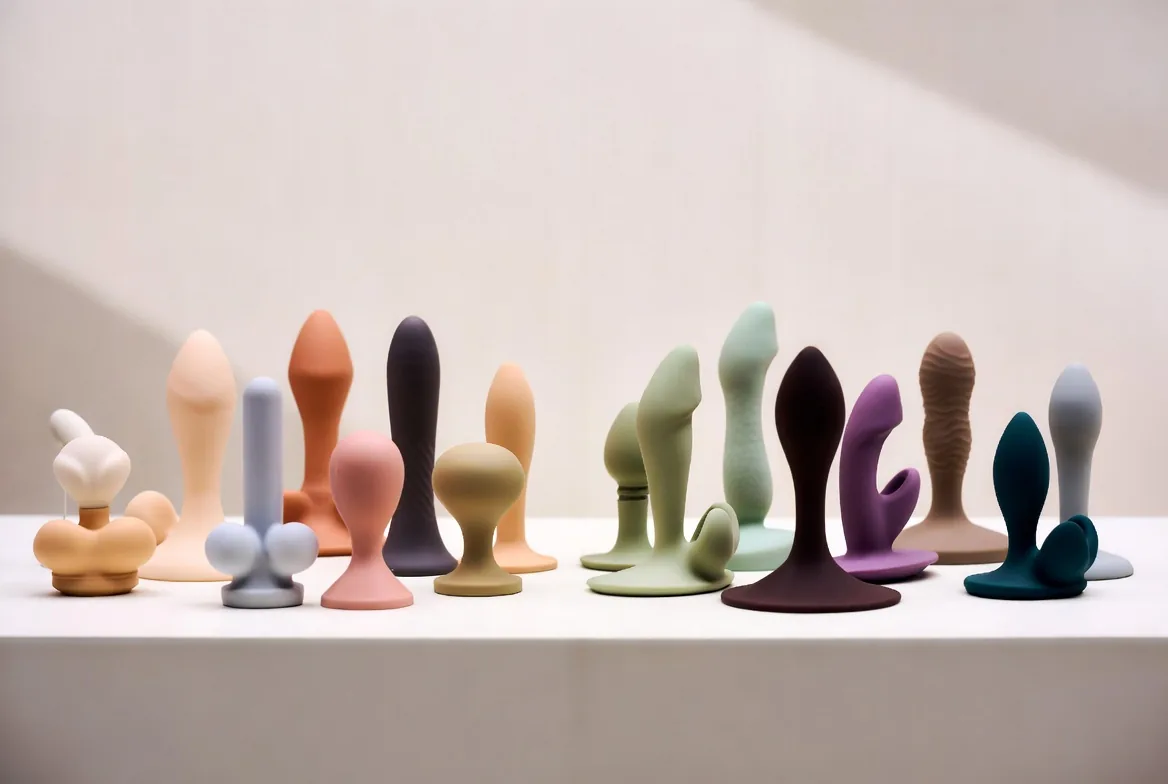
Ignoring the unique needs of LGBTQ+ communities
Mainstream toys frequently default to assumptions that do not fit queer lives. LGBTQ+ adult products often need specialized anal ergonomics, strap-on compatibility, non-phallic forms, or features that honor diverse intimate practices. When designs overlook these, they feel irrelevant or disrespectful. Small orders and custom requests are routinely deprioritized, leaving communities without options that truly serve them.
Challenges facing trans individuals with mainstream adult toys
Trans users commonly need gender-affirming toys or prosthetics with precise dimensions, materials suited to surgical outcomes or hormone changes, and aesthetics that support identity rather than undermine it.
Generic products rarely accommodate these realities. The result is physical discomfort, emotional distress, or products that simply do not work as intended. Without partners experienced in non-standard development, brands struggle to offer meaningful solutions.
The inclusivity gap for disabled users
Adaptive adult toys remain rare because most production assumes standard mobility, grip strength, and sensory profiles. Users may require extended handles, secure suction bases, lightweight builds, or controls operable with limited dexterity or vision. When these adaptations are absent, pleasure products become inaccessible. Traditional mass-market approaches rarely justify the effort for smaller user groups, widening the exclusion.
Reinforcing stereotypes through generic designs
Default designs often simplify or misunderstand real needs—pink-coded “feminine” toys, hyper-realistic phalluses as universal, or marketing locked into binary, penetrative scripts. These choices erase kink, non-binary, asexual-spectrum, and other practices. Over time they reinforce the idea that only certain bodies and desires deserve dedicated products, while everything else is treated as an afterthought.
Health and Safety Concerns
Potential harm from non inclusive designs
When toys are not built for specific anatomies or use cases, risks rise: tissue irritation from poor fit, material reactions, or strain during intended activities.
Designs that have been simplified or misunderstood skip the validation that community input would provide. Without feedback mechanisms, even body-safe materials cannot guarantee safety across diverse bodies and scenarios.
The dangers of generic toys for various body types
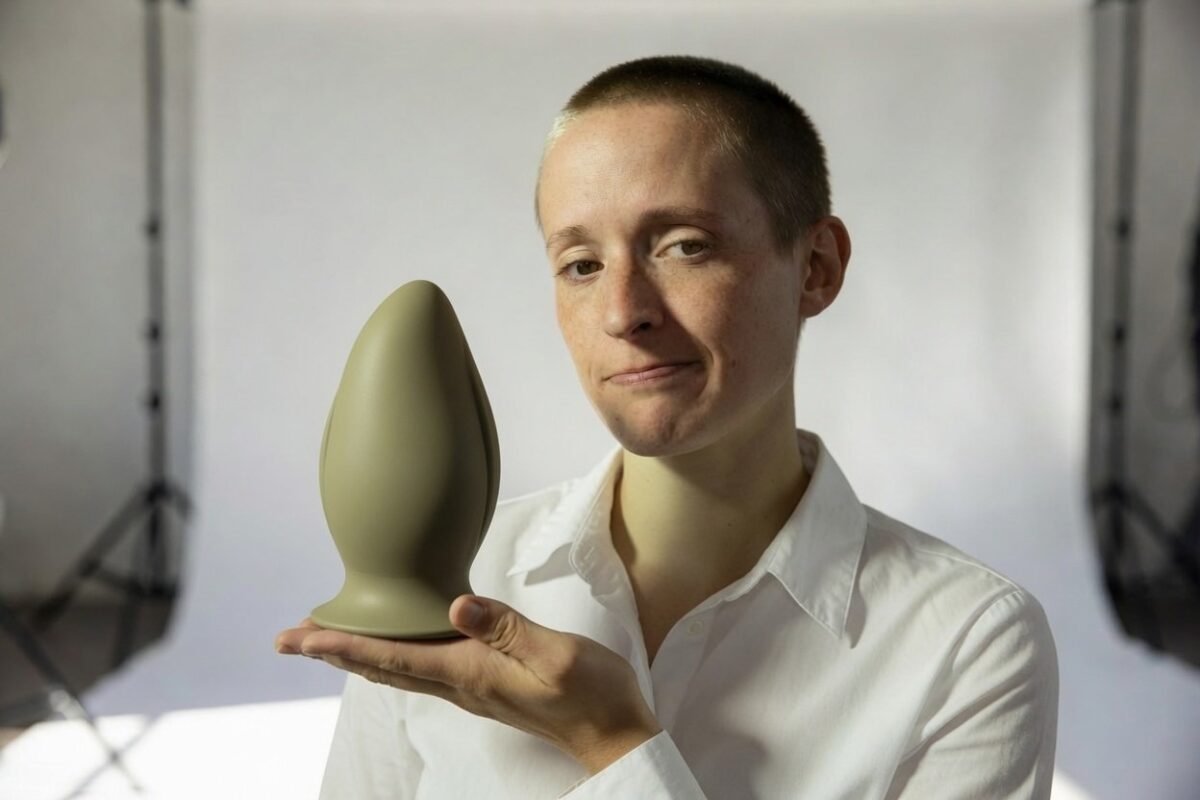
One-size-fits-all rarely fits safely. Petite users may face oversized grips; larger bodies need better reach or stabilization; post-transition or intersex anatomies require exact proportions and gentle textures. Using ill-matched generic adult toys can cause discomfort, micro-injury, or complete avoidance. Once a product fails to respect users, community backlash often follows quickly, damaging brand reputatio
Benefits of Community-Specific Toys
Designing with intersectionality in mind
Effective design considers how identities overlap—gender, disability, race, sexuality, and cultural context. Respecting every micro need while addressing practical realities (special structures, materials, or usage scenarios) produces products that feel authentic rather than tokenistic. This depth protects community trust and reduces the chance of unintended offense or rejection.
How community-led R&D is reshaping sex tech
Leading niche adult toy manufacturers replace assumptions with structured co-creation. They engage communities in concept, prototype, and refinement stages, using product knowledge to help materialize needs more specifically.
Small-batch testing and continuous iteration allow real-world validation before any large commitment. Strict confidentiality, co-creation and feedback mechanisms protect privacy while ensuring products evolve with user input. This approach directly counters the limitations of traditional factories and builds long-term partnerships grounded in shared values.

Trends in Pleasure Product Design
Increase in identity-specific and inclusive product designs
More brands are launching lines explicitly for LGBTQ+ communities, transgender users, disabled individuals, body-inclusive needs, and fetish or kink niches.
Growth reflects both consumer demand and recognition that generic approaches leave significant segments underserved. Brands that treat specificity as a strength rather than a complication are capturing loyalty in these expanding areas.
Critiques pushing the boundaries of heteronormative defaults
Advocates, educators, and users continue to highlight how default designs center only narrow experiences. These critiques drive innovation in non-standard forms, stereotype-free aesthetics, adaptive features, and modular systems. Manufacturers and community-focused brands that respond with genuine development capacity—rather than surface-level changes—are best positioned for the next wave of the market.
FAQ
A:High-volume production prioritizes the largest assumed market and rarely invests in the research, customization, or iteration required for authentic LGBTQ+ adult products.
Traditional factories often view small orders and non-standard requests as unprofitable. Without value alignment and ongoing community input, designs default to forms that feel irrelevant or disrespectful to the people they claim to serve.
A:They frequently are when they ignore surgical realities, hormone effects, or identity-affirming requirements. Products developed without specialized experience or iteration often cause physical mismatch or emotional distress. Brands seeking to offer better options need partners capable of non-standard designs and respectful, private collaboration from the start.
A:They succeed by choosing brands and manufacturers that explicitly support adaptive features and are willing to validate through small-batch testing.
Community feedback and targeted reviews help surface options that work. Growing availability depends on manufacturers who treat accessibility as a core development priority rather than an optional add-on for larger orders.
A:It begins with a clearly defined user group and a partner willing to serve that niche long-term. Key capabilities include proven experience with non-standard structures, materials, sizes and functions; small-batch validation that avoids large upfront investment; and community feedback driven iteration supported by strong confidentiality, co-creation and feedback mechanisms.
Brands that pass these priority checks—clear community focus, respect for every micro need, and willingness to iterate—consistently deliver safer, more relevant products. Many then move forward by choosing to Develop a Product for a Specific Need.
A:Yes. By simplifying designs and defaulting to heteronormative scripts, they marginalize the full range of queer, kink, and solo experiences.
This framing can make users feel their desires are unrepresented or secondary. Shifting toward community-specific toys developed with genuine input helps validate diverse pleasures and reduces the cultural pressure of outdated defaults.