Most product managers and innovation teams should prototype first before committing to molds. This protects budgets and improves results for adult toy projects. You only skip prototyping for minor updates to proven designs backed by strong sales data.
Introduction
Understanding the Decision: Prototype vs. Mold
You choose between two paths. Prototyping gives you physical samples fast and cheap. You test ergonomics, feel, and safety before heavy spending. Molds lock you into one design and cost far more to change. Most new adult toy concepts need the first path. Physical testing reveals issues that drawings and renders miss.
Importance of Strategic Planning in Toy Production
Strong planning turns ideas into profitable products. You map every stage from concept to shelf. This includes validation, partner selection, and risk control. Teams that plan well launch faster and avoid expensive surprises. Poor planning stretches timelines and burns internal resources.
Validate Your Concept Before Investing in Production
Ideation and Market Research
You start with ideas and market input. Talk to creators, sellers, and target users. Collect data on sizes, textures, and features people actually want. This research shapes your direction and reduces guesswork. Strong research also helps you prioritize which concepts deserve prototypes.

Benefits of Testing Concepts Early
Early testing saves money and time. You catch design flaws before mold investment. Real feedback from users or small groups builds confidence. Teams avoid launching products that miss the mark. Early validation also strengthens your position when reporting to leadership or securing internal budget.
Prototype Development: Advantages and Challenges
Hyper-Rapid 3D Printed Prototyping Before Hard Tooling
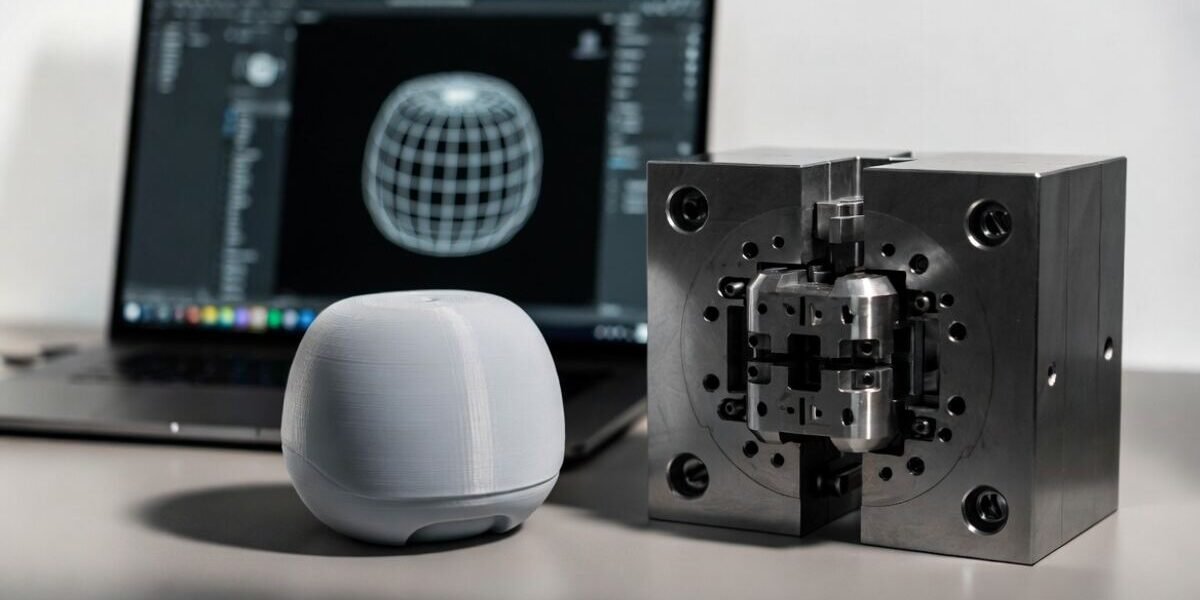
3D printing delivers samples in days. You hold the product, test grip, flexibility, and balance. Teams explore multiple directions without high cost. Many product managers use rapid prints for adult product design validation. This step keeps development moving even when internal R&D resources are stretched.
How Many Prototype Iterations Are Necessary for Adult Toy Design?
Most projects need three to five rounds. Start with basic shape and size tests. Add texture, flexibility, and detail in later rounds. Each iteration incorporates real feedback. Complex designs or new features often require more rounds. Simple updates need fewer. Plan buffer time for user input and internal reviews.
Mold and Tooling Considerations
When Is It Safe to Skip Prototyping and Go Straight to Mold?
You can skip only in narrow cases. The design must be a small change to an existing bestseller. You already have clear sales data and user validation. Your team knows the exact manufacturing process. Even then, a quick prototype often prevents costly surprises. New concepts almost always need physical samples first.
Is Silicone Soft Tooling Worth It for Small Sex Toy Runs?
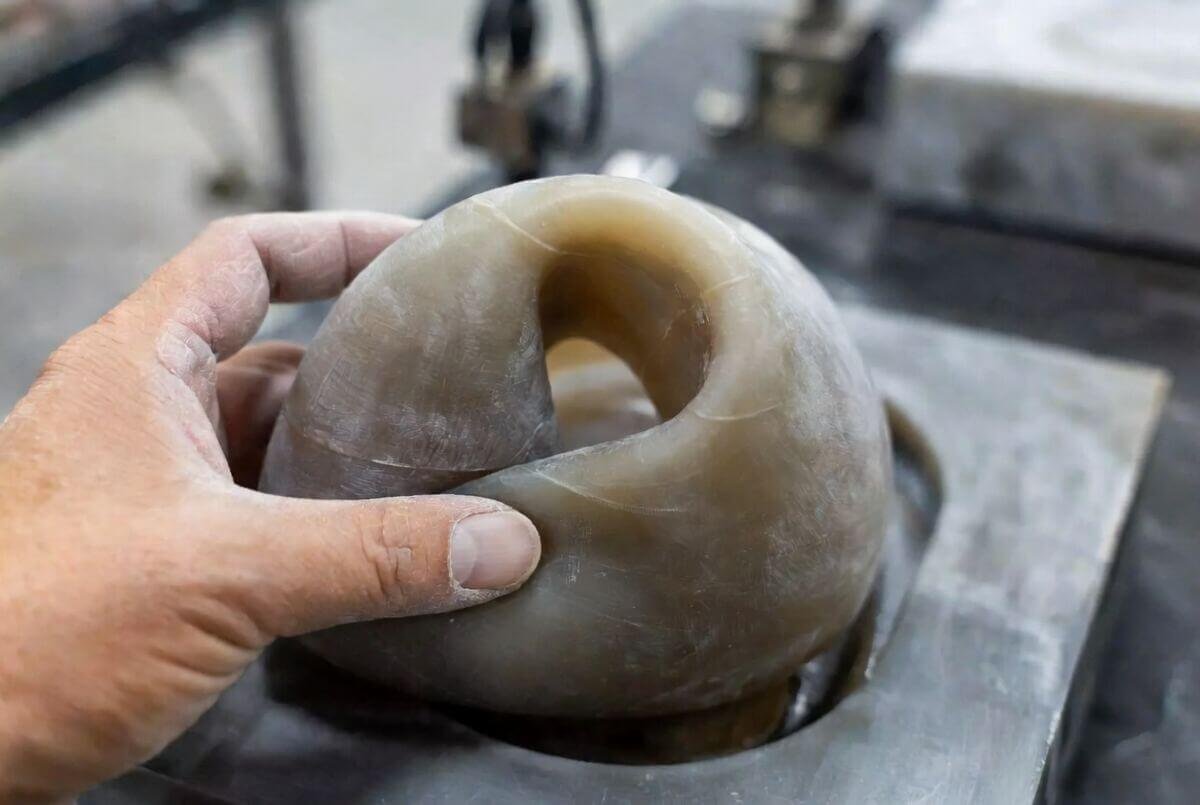
Soft tooling pays off for many validation runs. It costs less than hard steel molds. You produce real products in small batches for market testing. Teams use it for limited editions or final ergonomic checks. Once demand proves strong, you move to hard tooling with confidence. This approach lowers risk for new launches.
Develop with Manufacturing in Mind
Ensuring Your Design Is Manufacturable
Design for production from the start. Consider material flow, wall thickness, and demolding. Avoid features that create high scrap rates or long cycle times. Early input from manufacturing experts prevents delays. Good design for manufacturability speeds up the entire process and reduces internal coordination.
Cost-Benefit Analysis of Prototyping vs. Mold Investment
Prototyping adds upfront cost but protects the larger budget. A single mold revision can cost several times more than a full prototype round. You also launch faster with a validated design. The real return comes from fewer mistakes, stronger market fit, and preserved team resources.
Choosing the Right Manufacturing Partner
Source and Vet Manufacturers Carefully
Look for partners with real adult toy experience. Check ODM capabilities, quality systems, and low MOQ options. Ask about NDA protection and how they handle design changes. The best partners act as a true product development partner rather than just a supplier. Strong partners reduce your coordination burden and shorten project cycles.
Product managers and innovation teams often extend their capabilities with specialized external support. They gain fast 3D design, rapid prototyping, and structured project stages with clear deliverables. Learn how iGoods supports product managers and innovation teams here.
Implementing Quality Control Throughout Production
Set clear standards before production starts. Approve prototypes against detailed specs. Monitor samples at every stage. Conduct final inspections before shipment. Strong quality control protects your brand reputation and customer trust. It also reduces returns and protects your team’s time.
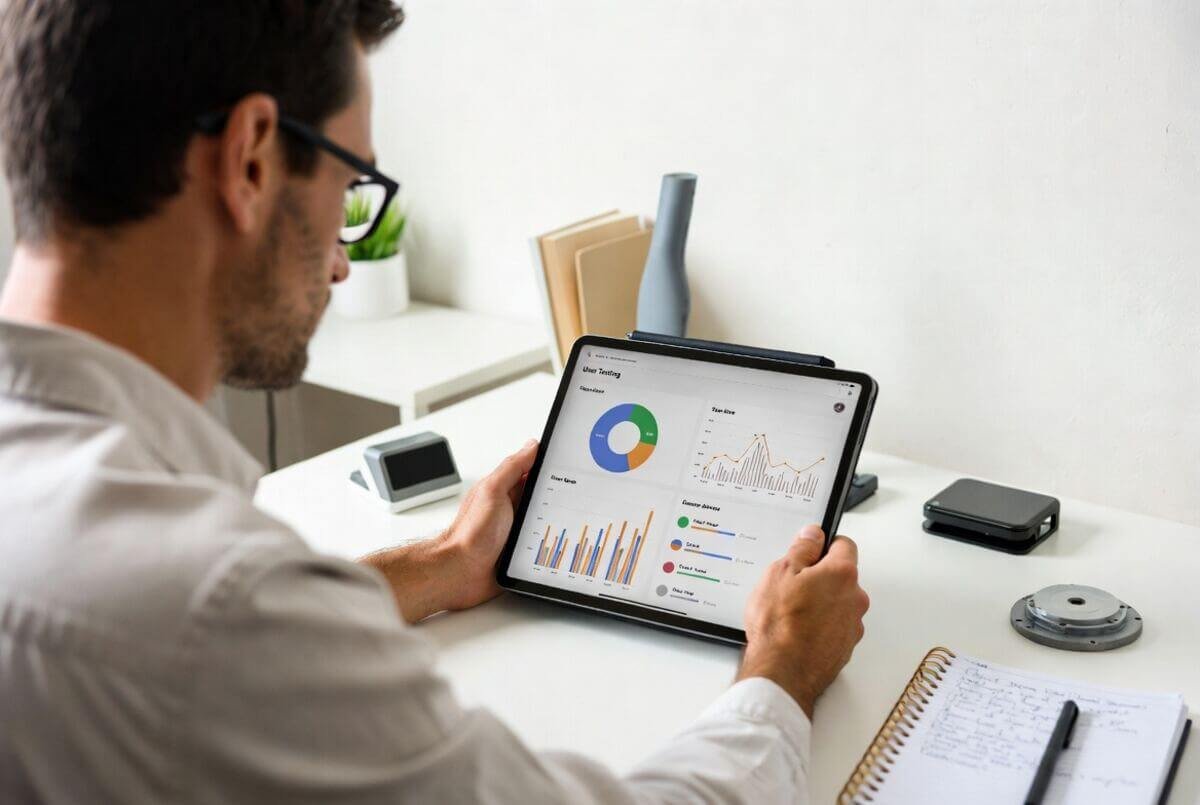
Trend : Data-Driven Production Decisions
Using App-Driven Insights for Design Iterations
Modern tools give you fast feedback. Use apps for user testing, surveys, and usage data. Teams analyze how people actually interact with prototypes. You adjust designs based on real patterns instead of assumptions. This data sharpens your product before you commit to molds.
Micro-Batch Silicone Runs for Ergonomic Validation
Small batch runs bridge prototype and mass production. You test real products with target users. Gather direct input on comfort, performance, and appeal. Refine based on actual results. Many teams use trial production to validate ergonomics and market response with low risk before full tooling investment.
Trend : Innovative Materials and Techniques in Toy Manufacturing
Eco-Friendly Materials in Adult Toy Production
More brands choose sustainable options. Bio-based silicones and better packaging reduce environmental impact. These choices appeal to conscious consumers and meet rising expectations. You can differentiate your line while staying body-safe and high quality.
Advanced Techniques for Enhanced User Experience
New methods improve how products feel and perform. Dual-density molding, advanced textures, and precise feature integration create better experiences. Partners who master these techniques help you stand out. They turn good ideas into products users recommend.
Plan Logistics and Fulfillment Before Production Begins
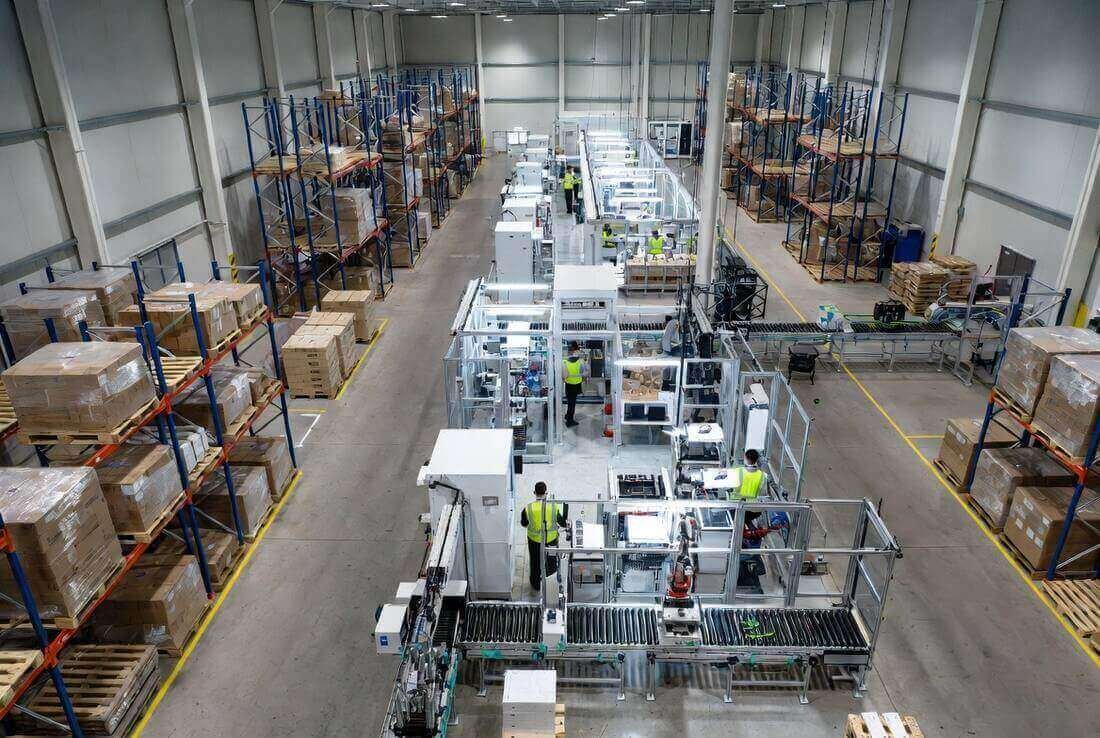
Efficient Supply Chain Management
Choose partners who handle the full chain. They manage materials, production, and quality in one flow. This reduces handoffs and delays. You focus on marketing and sales instead of chasing updates across multiple vendors.
Logistics Planning to Meet Consumer Demand
Plan packaging and shipping early. Adult products need discreet, secure options for global delivery. Factor in lead times and inventory targets. Good logistics planning prevents stockouts and keeps customers satisfied. It also supports steady growth after launch.
Common Mistakes Inventors Make
Misunderstanding Patent Protection
Patents protect your idea but do not replace validation. You still need to test market fit and manufacturability. Prototyping helps you refine the design and document improvements. A good partner can advise on design choices that support your IP strategy.
Overlooking Importance of Prototyping Stages
Some teams rush straight to molds. They face expensive changes and long delays later. Others skip user testing and launch products that underperform. Prototyping catches these problems early and cheap. It protects both budget and brand reputation while keeping your team’s workload manageable.
FAQ
A:Yes for almost every new design. 3D prints cost little and reveal critical issues fast. You refine shape, feel, and function with real samples. Most successful adult toy projects follow this sequence.
A:Plan for $500 to $2,500 across initial rounds. Costs depend on complexity and number of iterations. See a transparent budget breakdown here. This investment protects your much larger mold and production budget.
A:Most teams run three to five rounds. Start simple and add detail with each cycle. User feedback determines the exact number. Build extra time into your schedule for meaningful input and internal alignment.
A:Yes in most validation scenarios. It gives you real products at lower cost than hard tooling. You test market response and ergonomics with minimal risk. Many brands scale to hard tooling only after positive results.
A:Consider it only for small updates to proven bestsellers. You need clear sales data and deep manufacturing knowledge. Even in these cases, a rapid prototype often clarifies details and prevents issues. New concepts almost always benefit from physical samples first.