
In today’s adult product landscape, community-focused brands and creators developing inclusive adult toys, custom LGBTQ adult products, or specialized items for fetish and kink communities are driving real innovation. Yet many discover that traditional manufacturing partners were never built to support their vision.
These brands often need products for specific needs, not generic markets — unique sizes, structures, colors, use scenarios, and strict respect for user communities. When conventional factories cannot or will not adapt, the result is frustration, compromised designs, and stalled launches.
This article examines the structural reasons behind these failures and explores practical paths forward for brands that refuse to compromise on quality, confidentiality, or community alignment.
The Challenges of Traditional Manufacturing
Why do traditional factories reject small adult toy orders?
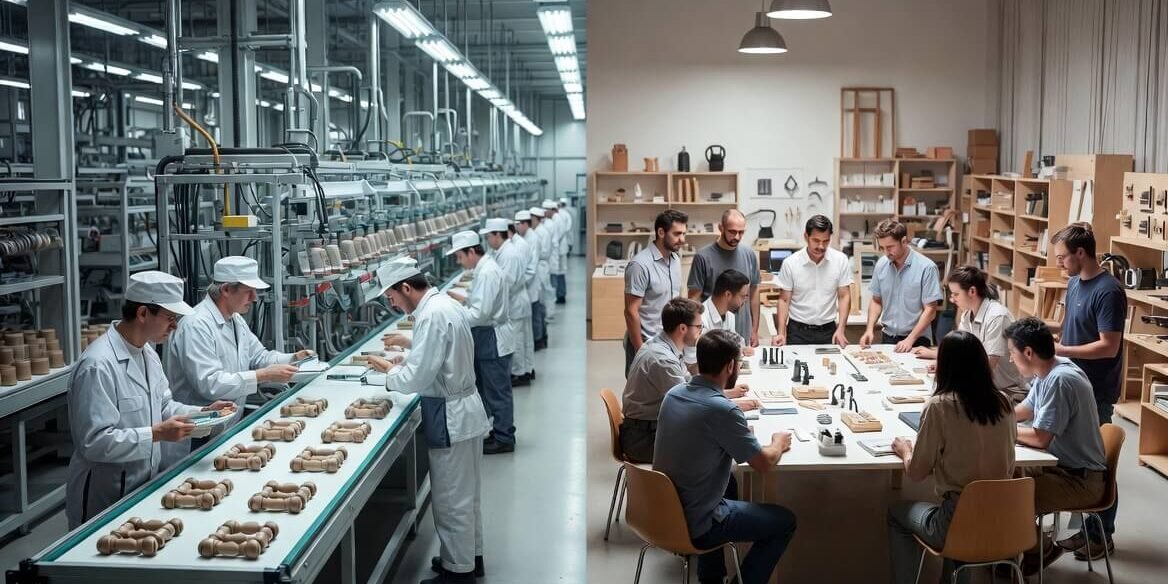
Traditional factories typically operate on high minimum order quantities (often 500–1,000+ units) to justify tooling, setup, and production line time. For niche adult toy brands working with limited initial capital or testing market response, these MOQs create an immediate barrier. Small orders are frequently deprioritized or outright declined because they disrupt standardized workflows optimized for mass-market products.
This reluctance directly contradicts the needs of community-focused brands that must validate demand through small batch runs before committing to larger production. The result is a cycle where promising concepts never reach the market or are forced into generic compromises that fail to resonate with specific user groups.
Why are mainstream manufacturers uncomfortable with erotic product lines?
Many large-scale manufacturers maintain strict policies around “sensitive” or erotic categories due to internal compliance rules, payment processor restrictions, or cultural stigma within their organizations. Staff may lack training in the nuanced design requirements of inclusive adult toys or custom LGBTQ adult products, leading to miscommunication, simplified designs, or outright avoidance.
When a factory views these products as high-risk or low-priority, they rarely invest in the specialized knowledge needed for body-safe materials, discreet packaging, or community-sensitive aesthetics. Brands quickly sense this discomfort through slow responses, generic suggestions, or reluctance to explore non-standard features that matter deeply to their audience.
How do I scale custom fetish toys without a huge factory?
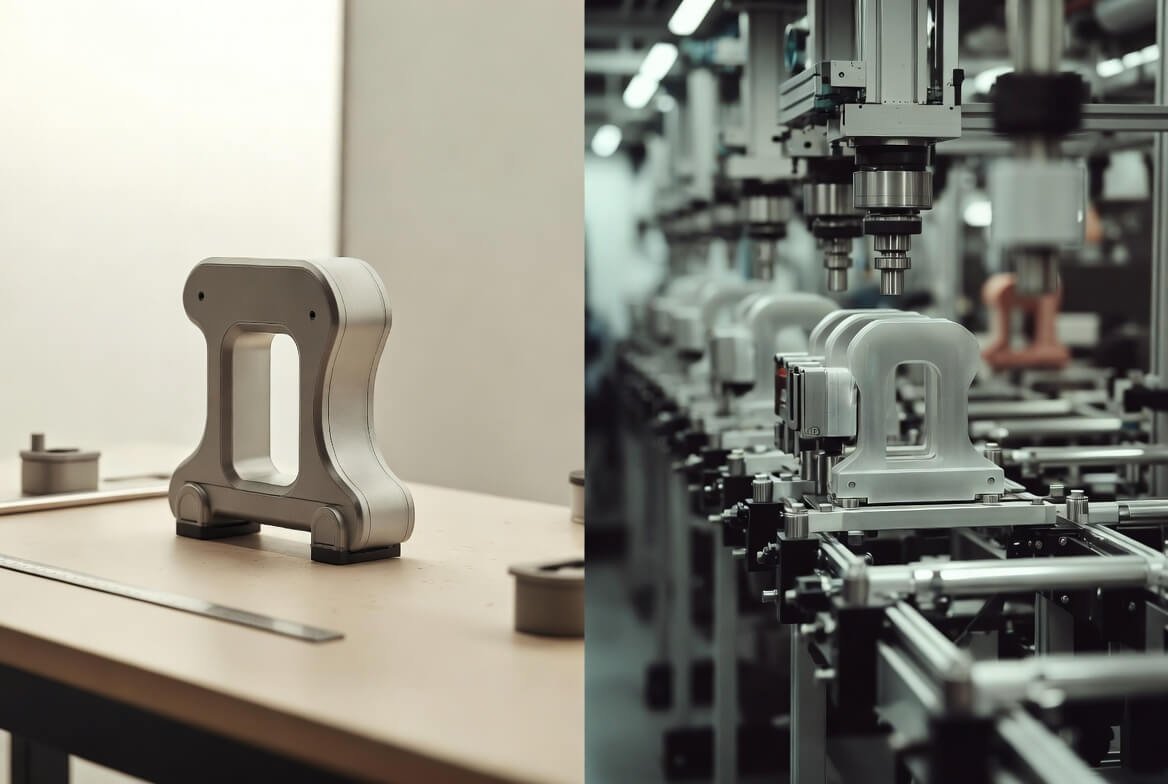
Scaling custom or fetish-oriented products presents unique hurdles: specialized molds, unique material formulations, and strict quality expectations from communities that quickly call out designs that feel inauthentic or unsafe. Traditional factories built for high-volume, low-variation output often lack the flexibility to handle frequent design iterations or the smaller, more targeted runs that fetish and kink brands require.
Without a partner experienced in non-standard development, brands face inflated costs, long lead times, or pressure to simplify their vision until it no longer serves the intended users. This is precisely why many niche adult toy brands struggle to grow beyond the prototype stage.
Protecting Your Brand and Product
How can niche adult toy brands protect design confidentiality?
Design theft and idea leakage remain legitimate concerns for brands creating distinctive custom LGBTQ adult products or proprietary fetish items. Traditional factories may share designs across multiple clients, use subcontractors without clear agreements, or lack secure digital workflows. Effective protection requires formal NDAs, segregated production areas, limited staff access to design files, and clear protocols for sample handling and feedback. Brands that treat confidentiality as non-negotiable from the first conversation are far more likely to maintain their competitive edge and community trust.
The importance of privacy-first manufacturing workflows for sensitive niche brands
Privacy-first manufacturing goes beyond legal documents. It encompasses how feedback is collected, how community input is incorporated without exposing intellectual property, and how final products reach end users without unnecessary data trails. For brands serving tight-knit communities, any perceived breach of trust can trigger backlash that damages both reputation and sales. Manufacturers who build secure, transparent processes — including encrypted file sharing, controlled prototype reviews, and clear revision tracking — become true long-term partners rather than simple vendors.
Manufacturing Options for Niche Brands
What manufacturing options exist for low-volume adult toys?
Options range from large contract manufacturers (high MOQ, lower per-unit cost, limited flexibility) to micro-factories and boutique specialists (lower MOQs, higher customization, faster iteration).
For niche adult toy brands, the latter category often proves more suitable because these partners are structured around small batch production, rapid design changes, and willingness to handle non-standard requests. Hybrid models also exist where a brand begins with a flexible partner for validation and later scales with a larger facility once demand is proven.

The rise of micro-factories enabling ultra-customized adult toy production
Micro-factories and agile production setups have emerged specifically to serve creators and brands that traditional supply chains overlook. These operations prioritize shorter runs, modular tooling, and close collaboration with clients. They can accommodate unique geometries, specialized colors or textures, and iterative improvements based on real user feedback.
For brands developing inclusive adult toys or items for specific communities, this model reduces financial risk and accelerates time-to-market while preserving the integrity of the original vision.
Navigating Material and Design Choices
Choosing dependable materials over materials to avoid
Material selection is critical for both safety and brand reputation. Dependable options, such as high-quality platinum-cure body-safe silicone, offer durability, non-porous surfaces, and compatibility with rigorous testing standards.
Materials to approach with caution include low-grade TPE or PVC that can degrade, harbor bacteria, or trigger sensitivities — issues that community-focused brands cannot afford if they want to maintain user trust. Experienced partners help brands evaluate not only safety data but also how materials perform in real-world scenarios specific to their target users.
AI-driven rapid prototyping for taboo product innovations
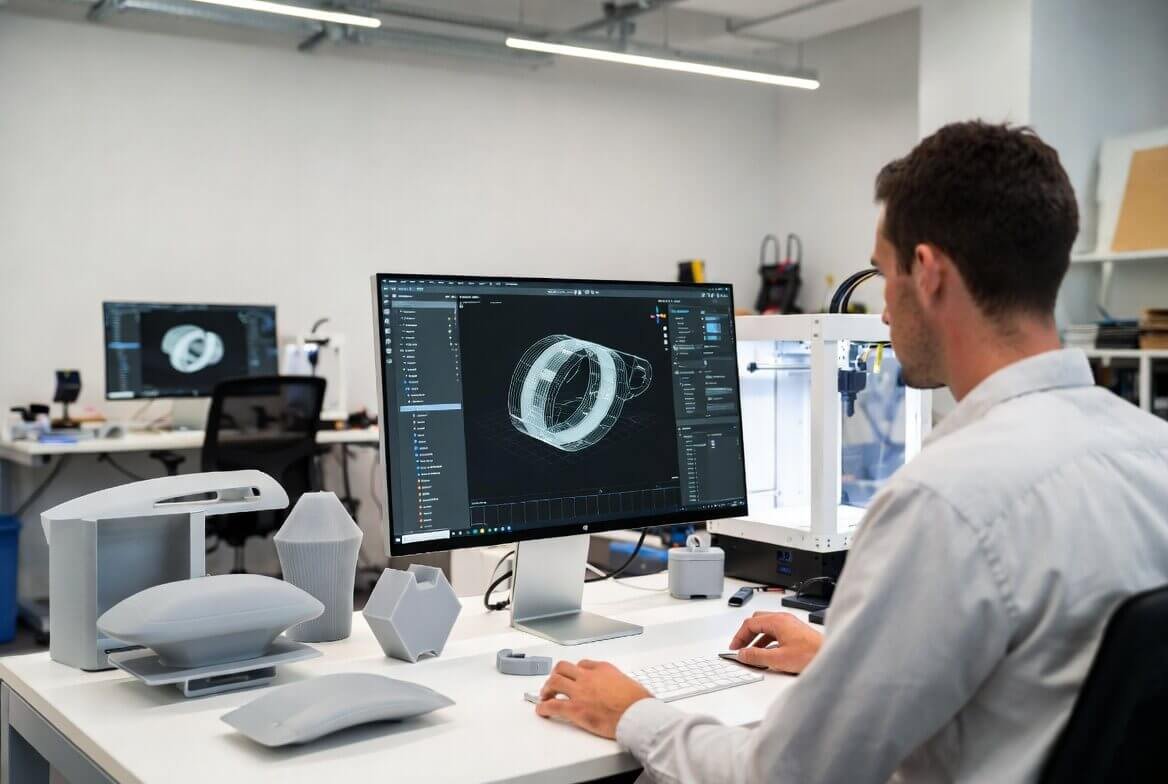
Advanced prototyping tools, including AI-assisted 3D modeling and generative design, allow brands to explore complex or culturally sensitive concepts quickly and cost-effectively. Instead of committing to expensive steel molds early, teams can produce functional prototypes, test ergonomics and aesthetics with trusted community members, and refine designs through multiple cycles.
This approach is especially valuable for taboo product innovations or highly specialized fetish items where traditional trial-and-error would be prohibitively slow or expensive. It supports the small batch verification mindset that prevents large, risky investments before market fit is confirmed.
Emerging Trends in Niche Adult Toy Manufacturing
Personalization and customization as key differentiators
The most successful niche adult toy brands today win by delivering products for specific needs, not generic markets. Personalization — whether through size variations, unique structural features, color stories tied to community identity, or packaging that reflects brand values — has become a powerful differentiator. Manufacturers who embrace customization as a core capability rather than an exception are better positioned to help brands stand out and build lasting loyalty.
Lean and agile production methods for faster market entry
Lean manufacturing principles — small batch runs, continuous feedback loops, and rapid iteration — are reshaping how inclusive adult toys and specialized products reach the market.
Agile partners can adjust production schedules based on community response, incorporate design improvements between batches, and maintain quality while keeping costs manageable for emerging brands. This flexibility is essential for creators who must balance limited resources with the high expectations of their audiences.
Successfully Scaling Your Niche Brand
Leveraging boutique manufacturing partnerships
Sustainable growth for niche adult toy brands rarely comes from forcing traditional factories to adapt. Instead, it comes from building relationships with boutique or specialized partners who genuinely understand community dynamics, respect every micro-need, and are willing to iterate over time.
These partnerships reduce risk, protect brand integrity, and allow founders to focus on marketing and community engagement rather than fighting production constraints. Brands exploring this path often start by reviewing dedicated resources on specialized manufacturing approaches, such as our niche and inclusive adult brands page.
Balancing quality with affordability in small-scale production
Quality and affordability are not mutually exclusive when production is managed intelligently. Careful material sourcing, efficient prototyping, and phased scaling help control costs while maintaining the standards that community-focused brands require.
The key is finding a partner who treats small-scale production as a legitimate business model rather than a temporary inconvenience — someone who invests in processes that deliver consistent results from the first sample through ongoing batches.
FAQ
A:Micro-factories offer much lower minimum order quantities and faster design changes than traditional factories. They are more willing to handle non-standard specifications and support small batch testing. This allows niche adult toy brands to gather real community feedback and refine products without large upfront investment.
A:Use strong NDAs, secure file transfer systems, and restricted access to design files. Work only with partners who maintain segregated production zones and control sample distribution. The best manufacturers treat privacy-first workflows as standard practice, not an extra request.
A:Choose body-safe silicone from reputable suppliers with proper certifications such as FDA or LFGB. Avoid porous or low-quality materials that can degrade or harbor bacteria. Partner with manufacturers who understand both safety requirements and the specific tactile expectations of your target community.
A:Start with small batch validation runs to test demand and collect feedback. Build long-term relationships with flexible partners experienced in non-standard development. Use rapid prototyping and keep open communication with your community throughout the process.
A:AI tools allow brands to explore complex designs and multiple variations quickly and at low cost. This reduces expensive physical iterations and enables earlier community feedback. It is especially useful for validating highly customized or taboo product innovations before committing to production molds.