Introduction to Private Label and White Label Adult Toys
Definition of Private Label and White Label Products
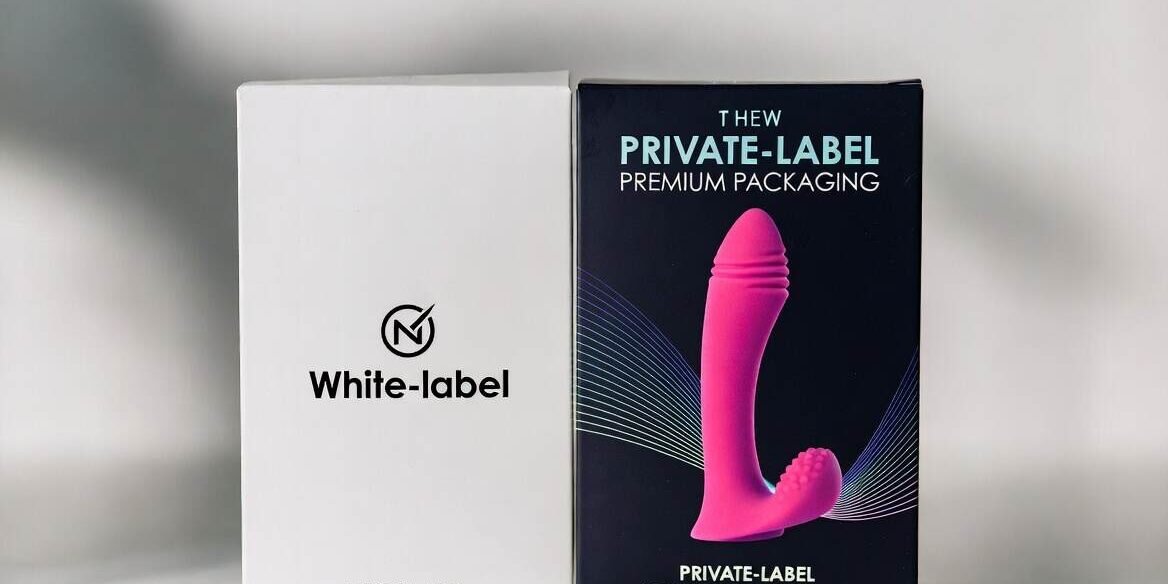
White label products are ready-made items produced by a manufacturer and sold to multiple buyers who apply their own branding with minimal changes. In the adult industry, this usually means a factory’s existing molds and designs sold under different logos.
Private label products start from the same base but allow the buyer to customize packaging, colors, logos, and sometimes minor design elements so the finished item appears as the buyer’s exclusive brand. The goal is to create a product line that feels proprietary even if the core design is shared.
Importance of Understanding the Differences
New sellers, small brands, and e-commerce teams often confuse the two models and lose time or money as a result. Choosing the wrong path can lock you into generic products that are hard to differentiate or force you into higher costs and longer timelines before you even know if the market responds. Clear distinctions help brand starters launch faster, control risk, and decide when to move from basic labeling into deeper customization.
What Are White Label Adult Toys?
Benefits of White Labeling
White labeling offers the lowest barrier to entry. Inventory is already produced, lead times are short, and unit costs stay low because the manufacturer spreads tooling across many customers. For sellers testing a new channel or adding adult products to an existing store, white label delivers speed and simplicity.
Downsides of White Labeling
Because many sellers use the same molds, the products look nearly identical once the packaging is removed. Long-term brand building becomes difficult, and price competition is intense. Packaging options are usually limited, and the manufacturer has little incentive to protect your brand exclusivity.
Examples of White Label Adult Toys
Common white-label items include basic silicone vibrators, bullet massagers, and simple suction toys sold under dozens of different brand names with only a logo change on the box.
Risks of White Labeling?
The biggest risk of white labeling is product commoditization. Since multiple brands may sell similar products, competitors can compete mainly through pricing, making it harder to build a unique brand identity.
Quality consistency can also be a concern. Without proper supplier management, different production batches may vary in materials, finishing, or packaging quality.
To reduce these risks, brands should choose suppliers that offer customization options, strict quality control, and confidential production support to create more differentiation.
Is White Labeling Legal?
Yes. White labeling is a common and legal business practice. Brands can sell products manufactured by another company under their own brand, as long as the products comply with safety standards, material regulations, and market requirements.
Brands should also ensure that trademarks, product designs, and packaging do not infringe existing intellectual property rights. Working with a reliable supplier helps maintain compliance and protect brand value.
What Are Private Label Adult Toys?
Benefits of Private Labeling
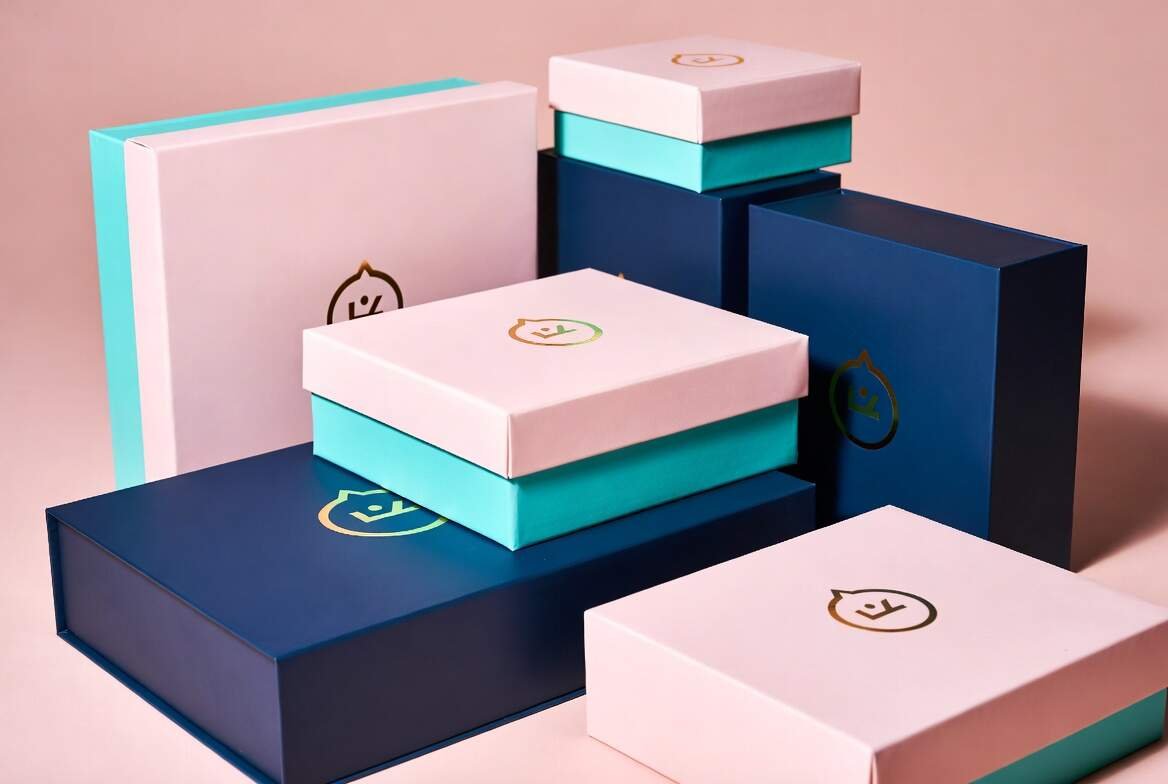
Private labeling lets brand starters create a cohesive look quickly. You can choose colors, add your logo, redesign outer packaging, and often request matching sets. This approach lowers the visual barrier for customers who prefer branded experiences while still keeping development costs and MOQs manageable. Many private label sex toys programs now include early product-selection guidance so new sellers avoid guessing which SKUs to launch first.
Downsides of Private Labeling
The main downside of private labeling is the higher initial investment compared with standard white label products. Minimum order quantities are usually higher, and customization options such as packaging, colors, or branding elements may add extra costs.
Private labeling also has some limitations. Major product modifications, exclusive designs, or new mold development usually require OEM services rather than a typical private-label solution.
Examples of Private Label Adult Toys
Common private-label projects include adding a brand logo, custom packaging, unique color options, or accessories to existing adult toy models. For example, a brand may develop a collection of private label silicone adult toys by selecting proven silicone models, customizing colors and packaging styles, and creating a consistent product line that matches its market positioning.
This approach allows businesses to launch differentiated products without the cost and complexity of full product development.
Is Private Label More Expensive?
Yes, private labeling usually costs more than white labeling because it involves additional customization, packaging, and production requirements. However, the investment is still significantly lower than developing a completely new product from scratch.
For many growing brands, the added cost is worthwhile because private labeling helps create stronger brand identity, higher perceived value, and better pricing flexibility.
What Are the Four Types of Private Labels?
- Basic logo application on existing packaging
- Custom packaging and color matching
- Light functional tweaks (button layout, intensity settings) plus branding
- Coordinated multi-SKU sets that share a visual identity
Most new private-label buyers begin at level 1 or 2 and later move into light customization once sales data appears.
Private Label vs White Label: Key Comparisons
Control Over Branding & Customization
White label offers almost none beyond a logo sticker. Private label gives meaningful control over packaging, color, and presentation while still using proven molds. Buyers looking for custom logo adult toys almost always choose the private-label route.
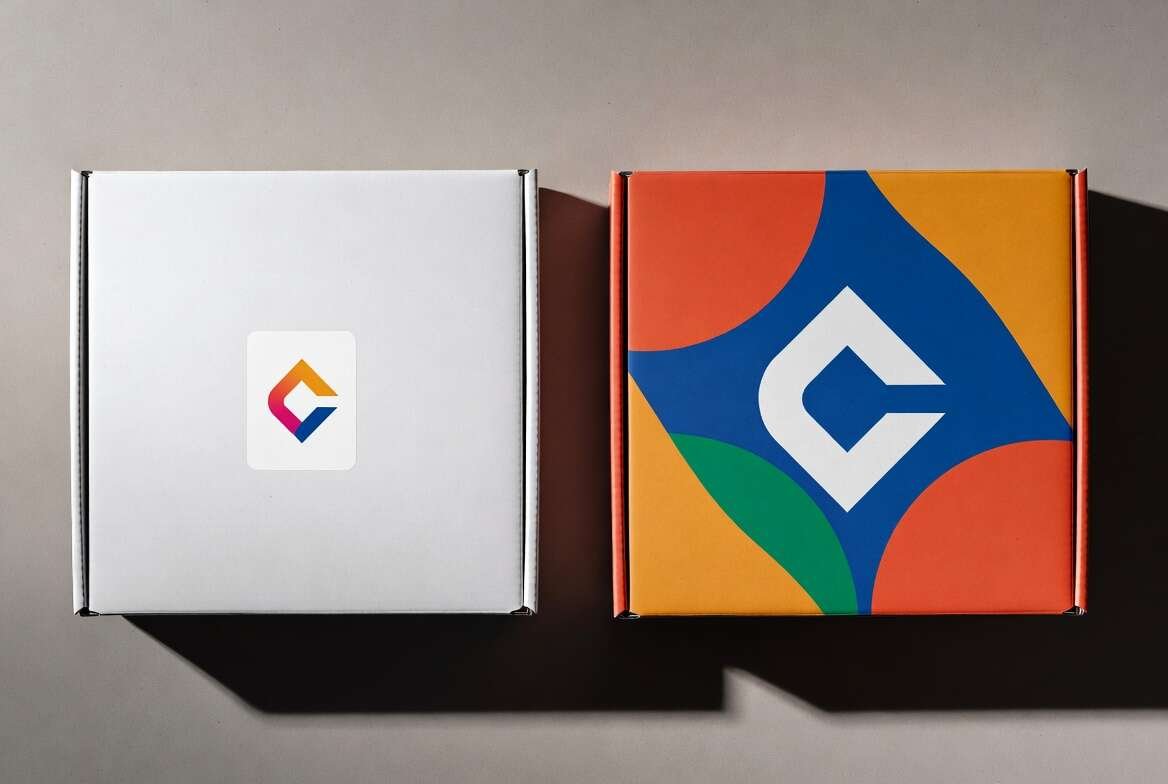
Startup Costs & Investment
White label requires the lowest upfront investment because products are already developed and ready for production. Private label requires a higher budget due to additional customization, such as branded packaging, color adjustments, and product presentation improvements. However, it remains significantly more affordable than creating completely new products, developing molds, or managing full OEM projects.
Speed to Market
Both white label and private label models offer faster launch timelines compared with custom product development. White label products can usually enter the market quickly, while private label projects may take slightly longer due to packaging, branding, and customization steps.
With support from an experienced supplier, private label collections can often become store-ready within weeks. Manufacturers familiar with private label vibrator production can provide proven product options, efficient sampling, and streamlined customization processes.
Product Uniqueness & Competitive Advantage
White-label products are easier to launch but often lack differentiation because multiple sellers may offer similar items. This can lead to stronger price competition and limited brand recognition.
Private-label products help businesses create a more recognizable product identity through customized colors, packaging, accessories, and brand elements. These improvements can increase perceived value, support better pricing strategies, and encourage customer loyalty.
Target Market Fit
White label is suitable for businesses focused on quick market testing, high-volume sales, or expanding product categories with limited investment.
Private label is better suited for brand-focused sellers, including new Amazon or Shopify stores, social media-driven brands, and niche adult toy companies that want stronger differentiation. It provides a practical path to building a professional product line without the high cost and complexity of full custom development.
Choosing the Right Model for Your Adult Toy Business
Limited Resources & Need for Quick Launch
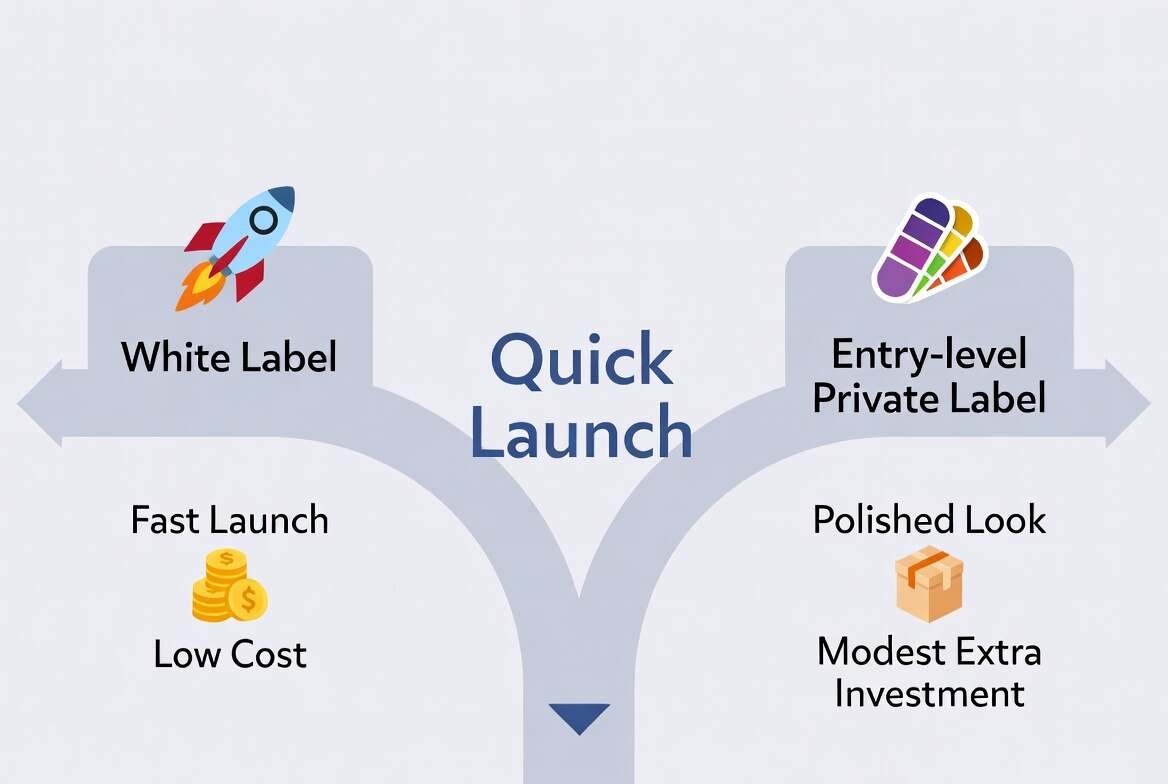
If cash and time are tight and the priority is simply getting products live, white label or entry-level private label both work. Private label with recommended starter SKUs usually delivers a more polished first impression for only a modest extra investment.
Prioritizing Brand Building & CustomizationSeeking Unique Products for a Competitive Market
In highly competitive markets, pure white-label products can be difficult to differentiate because multiple sellers may offer similar items. This often leads to price competition and makes it harder for smaller brands to build recognition.
Private labeling provides a practical middle ground by offering meaningful customization without the high investment required for fully custom products. Brands can start with proven products, test market demand, and gradually move toward deeper customization, exclusive designs, or custom molds as their business grows.
Sellers who want customers to recognize, trust, and return to their brand should consider starting with private label. While white label focuses mainly on speed and low entry costs, private label allows businesses to build a stronger brand identity through customized packaging, logos, color choices, and product presentation.
For long-term growth, factors such as consistent branding, customer perception, and product positioning often matter more than achieving the lowest possible unit cost. A well-presented private-label product can help brands create higher perceived value and improve customer loyalty over time.
Real-World Examples of Success in Adult Toy Industry
Common White Label Success Stories
Several Amazon sellers scaled quickly by listing the same high-volume bullet vibrator under different brand names, relying on aggressive pricing and Amazon’s algorithm. Growth often plateaus once competitors match the price.
Popular Private Label Success Stories
Small brands that began with coordinated private-label sets—matching colors, custom boxes, and logo-printed pouches—built recognizable storefronts and later expanded into exclusive colorways. Many of these sellers started with guidance on first-batch SKU combinations and then upgraded packaging as reviews accumulated.

AI-Enhanced Customization in Private Label Adult Toys
AI tools are becoming increasingly useful in the private-label development process. Manufacturers can now use AI-assisted solutions to create packaging concepts, explore color combinations, generate visual mock-ups, and test different product presentation ideas within a shorter timeframe.
For brand starters, this reduces the cost and complexity of product preparation. Instead of investing heavily in professional design resources at the early stage, businesses can quickly refine their concepts and transform standard white-label adult toys into more market-ready private-label collections with a stronger brand identity.
Eco-Friendly White Label Adult Toys Gaining Traction
Sustainability is becoming an important consideration for many consumers and brands. Demand for body-safe materials, reduced plastic use, and recyclable packaging continues to influence product development decisions in the adult toy market.
Manufacturers with established white-label product lines can help sellers upgrade existing products through eco-friendly packaging options, sustainable materials, and improved product presentation. This allows brands to create a stronger sustainability message without the cost and complexity of completely redesigning the product.
FAQ
A:White label is essentially the same product sold under many brands with minimal changes. Private label starts from the same base but adds packaging, color, and logo customization so the item appears exclusive to the buyer’s brand.
A:Yes for most brand-focused sellers. The ability to control visual identity and packaging creates stronger recognition and supports higher margins than generic white-label goods.
A:Unit cost is usually lower for pure white label. Private label adds modest fees for packaging and color work but still remains far less expensive than full custom development.
A:Begin by identifying a short list of proven SKUs, then work with a manufacturer that offers low-MOQ private-label packaging, logo, and color options. Many new sellers find it efficient to review ready-to-customize programs designed specifically for brand starters—such as those outlined for private label buyers—so the first order already looks cohesive and professional.
A:Private label. White label is limited to basic logo application; private label routinely includes packaging redesign, color matching, and coordinated sets while still using existing molds.
For brand starters, new sellers, and small e-commerce teams who want to launch faster without guessing which products to start with, the practical path is usually a focused private-label program. These programs typically combine ready molds with packaging, logo, and color customization, provide recommended first-batch SKU combinations, and leave a clear upgrade route into light customization later.
If you are evaluating exactly this approach—low barrier, professional appearance, and a structured next step—you can review the detailed options designed for private label buyers.