
In today’s retail landscape, where retailers and boutique stores compete not only on product but on experience, mastering in-store display strategies is crucial for adult toy retailers. Effective visual merchandising transforms a simple shop into a destination that educates, excites, and converts.
For boutique owners and offline buyers focused on building their own retail product line, strong displays become a powerful extension of that brand, turning exclusive private label items into standout focal points that command attention and premium margins.
Understanding the Importance of In-Store Displays
What are the goals of visual merchandising?
Visual merchandising aims to attract customers, communicate value quickly, and guide them toward purchase while reinforcing brand identity. In an adult toy boutique, the goals include creating a sense of discovery and education without overwhelming or alienating visitors. Displays should highlight product benefits, materials, and use cases while maintaining a clean, professional aesthetic that feels more wellness-focused than transactional.
Key objectives typically include:
- Drawing foot traffic through strategic window or entrance presentations
- Telling a cohesive brand story through curated collections and packaging
- Encouraging exploration across categories while reducing decision fatigue
- Elevating perceived quality to support premium pricing
- Creating emotional connections around pleasure, self-care, and intimacy
For retailers developing a private label line, these goals become even more achievable when your exclusive products and custom packaging are designed from the start to work together visually on the shelf.

The impact of effective displays on sales
Well-executed displays deliver measurable commercial results. Industry data shows that window displays can increase foot traffic by up to 23%, while products placed at eye level are 82% more likely to be picked up and purchased. Using complementary color schemes in displays has been shown to lift sales by around 35%, and storytelling elements can improve brand recall by 25%. In premium retail environments, skilled visual merchandising can generate ROI as high as 300%.
In the adult toy space, the impact is particularly pronounced because many customers enter with some hesitation. Thoughtful displays normalize the shopping experience, reduce friction, and increase both conversion and average order value through strategic bundling and education. Retailers who track performance consistently find that refreshed or well-planned displays often outperform static setups, especially when featuring differentiated items that cannot be shopped elsewhere.
Sources: Data compiled from VM & Retail Magazine (2018), Retail TouchPoints (2017), Shop! Magazine (2019), and Forbes (2020). View full industry compilation here.
Key Strategies for Adult Toy Displays
How to display adult toys discreetly yet effectively
Discretion in adult retail does not mean hiding products—it means presenting them with elegance, clarity, and respect for the customer’s comfort level. Successful boutiques favor sophisticated packaging, logical categorization by function or collection rather than explicit imagery, and clear benefit-focused signage (for example, highlighting body-safe materials, size, or intensity level).
Practical approaches include:
- Using risers, stepped shelving, or glass-front cabinets to create visual hierarchy while keeping items accessible
- Grouping products into themed collections or kits that feel intentional rather than cluttered
- Choosing neutral or warm color palettes with high-quality fixtures instead of loud graphics
- Placing higher-margin or hero items at eye level and using lower shelves for supporting accessories
Boutique retailers building their own product line gain a distinct advantage here. Custom private label packaging designed specifically for retail shelving—stable, attractive, and informative—allows you to test new items with low risk while creating a polished, ownable look that generic products cannot replicate. Many start with small-batch custom packaging to evaluate shelf performance and customer response before expanding.

Lighting techniques for showcasing premium products
Lighting dramatically influences how customers perceive quality and texture. The most effective setups use layered lighting: soft ambient illumination combined with focused accent lights on hero products. Warm color temperatures (typically 2700–3000K) create an inviting, intimate atmosphere without feeling harsh or clinical.
Recommended techniques include:
Ensuring consistent lighting across displays so the overall environment feels cohesive and high-end
Adjustable LED track or spot lighting to highlight packaging details, material finishes, and color variations
Avoiding direct glare on glossy surfaces while accentuating textures such as liquid silicone or matte finishes
Using diffusers or indirect lighting to prevent harsh shadows that can make products appear less premium
Premium lighting not only makes individual items look better but also elevates your entire store aesthetic, helping exclusive private label collections feel truly special and worth the investment.
Organizing products: Couples vs. solo pleasure items
Clear organization helps customers navigate confidently while encouraging discovery. Rather than strict separation, many successful boutiques create connected zones—such as “Solo Exploration” and “Shared Pleasure”—or integrate them thematically under collections like “Date Night” or “Self-Care Rituals.” This approach respects different shopping intents while naturally suggesting complementary items.
Effective organization strategies include:
- Using subtle signage and props to define zones without explicit labeling
- Cross-merchandising compatible accessories (lubricants, cleaners, storage) nearby to increase basket size
- Balancing visual interest with logical flow so customers can easily find what they need
- Allowing some overlap so shoppers browsing one category discover relevant items in another
When building your private label line, consider developing coordinated sets or collections that include both solo and couples-oriented items in matching packaging. These become easy to merchandise together and give your displays a curated, professional appearance that strengthens brand recognition.
Interactive demos: Best practices for education and safety
Interactive elements work best when they prioritize education, consent, and hygiene. Physical testers for insertable products are generally avoided due to safety concerns. Instead, focus on non-contact methods that still allow customers to understand features and quality.
Best practices include:
- Looping high-quality video demonstrations or providing QR codes linked to usage and care content
- Offering material swatches or non-functional display models for customers to touch and compare
- Training staff to deliver knowledgeable, consent-focused explanations tailored to individual comfort levels
- Adding educational shelf talkers or cards that cover body-safe materials, cleaning protocols, and beginner tips
This educational approach builds trust, improves product fit, and reduces returns. When you develop private label products, including educational inserts or QR codes in your custom packaging extends that support beyond the store visit and reinforces your brand as a helpful resource.
Tips for creating a welcoming environment
A welcoming environment transforms hesitant visitors into confident, returning customers. Focus on creating a space that feels modern, respectful, and comfortable rather than intimidating or overtly sexualized.
Key elements include:
- Clean, spa-like or boutique aesthetics with quality materials and minimal clutter
- Comfortable temperature, soft or neutral scents (or none), and low-volume ambient sound
- Diverse, well-trained staff who use inclusive, non-judgmental language and possess strong product knowledge
- Intuitive navigation with clear category signage and perhaps a dedicated “New to Pleasure Products” starter area
- Thoughtful accessibility considerations, such as clear pathways and readable information
Retailers who invest in both their physical environment and their exclusive product line often find the two reinforce each other: a premium setting makes custom-packaged private label items feel even more desirable.

Designing a Customer-Centric Shopping Experience
Enhancing the in-store shopping experience with inclusive merchandising
Inclusive merchandising goes beyond stocking diverse products—it means ensuring every customer sees themselves reflected and feels respected. This includes offering items suited to different body types, genders, orientations, and experience levels, along with using inclusive language in signage and descriptions.
Practical steps include:
- Curating assortments that genuinely address a wide range of needs rather than defaulting to mainstream options
- Incorporating accessibility features and clear information for customers with different physical requirements
- Using artistic or abstract visuals where appropriate, avoiding narrow or stereotypical representations
Boutique retailers developing private label collections have a unique opportunity here. By working with manufacturers to create exclusive SKUs that fill specific gaps identified through in-store customer feedback, you can build signature offerings that attract loyal followings and differentiate your store in meaningful ways.
Using discreet, design-led displays to mimic luxury beauty counters
High-end beauty retail offers excellent inspiration for adult toy boutiques. Think clean lines, high-quality fixtures (acrylic, wood, metal), consistent branding, and packaging that acts as the hero. Tiered or stepped displays create visual interest while keeping products easy to view and reach.
To achieve this look:
- Maintain minimal clutter and strong visual cohesion across fixtures and packaging
- Use educational cards or “story” labels that explain benefits and usage, similar to beauty product information
- Spotlight hero items with custom private label packaging that feels intentional and premium
- Apply consistent color schemes and typography so your entire presentation feels ownable
This approach positions your boutique as a sophisticated destination. When your private label packaging is designed with retail display in mind, it becomes much easier to achieve the polished, luxury-inspired aesthetic that justifies higher price points and builds lasting brand equity.

Creating focal points and maximizing sight lines
Strategic focal points draw customers deeper into the store and highlight your most important items. End caps, central islands, and eye-level shelves work well for new arrivals, bestsellers, or themed collections. Varying display heights and using transparent or low-profile fixtures helps maintain clear sight lines and prevents the space from feeling cramped.
Effective techniques include:
- Placing high-margin or exclusive private label items in prime focal positions
- Creating themed displays (seasonal, trend-based, or collection-driven) that tell a story
- Ensuring logical customer flow from entry through different zones without dead ends or blocked views
- Using lighting and subtle props to guide attention toward key products
Clear sight lines and strong focal points increase the visibility and sell-through of your differentiated items, making the investment in building your own retail product line even more rewarding.
Measuring and Analyzing Display Performance
Why it’s crucial to track the success of your displays
Data removes guesswork and allows you to double down on what actually works in your specific location and customer base. Tracking helps optimize limited resources, identify which products or categories deserve more display investment, and validate decisions around private label development.
Key reasons to measure include:
- Understanding real customer behavior rather than assumptions
- Calculating ROI on display changes and fixture investments
- Spotting opportunities to expand successful private label items or refine underperformers
- Maintaining a fresh, competitive edge through continuous improvement
Retailers who systematically review display performance often discover that small, targeted changes—especially when featuring exclusive products—deliver outsized results.
Tools and metrics for measuring display performance
Useful metrics include sales lift before and after display changes, sell-through rates of featured items, average transaction value near specific displays, customer engagement observations, and conversion rates. Simple customer feedback (surveys or staff notes) can also reveal what caught attention or felt confusing.
Practical tools range from basic to advanced:
- POS reports with tagged display items for sales attribution
- Spreadsheets or simple dashboards to track weekly or monthly performance
- A/B testing by rotating setups or comparing different store areas
- Staff observation logs for qualitative insights on dwell time and questions asked
- Retail analytics platforms or traffic counters when scale justifies the investment
Even small boutiques can start with consistent manual tracking and sales correlation. The insights gained are especially valuable when evaluating the performance of your private label collections versus generic items, helping guide future product development priorities.
Trend Integration for Future Success
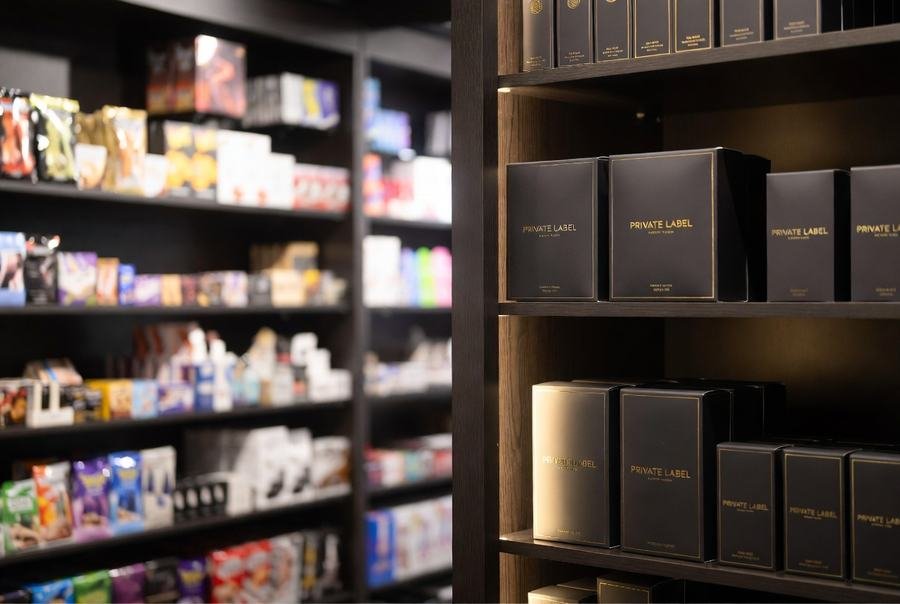
Discreet Design: Creating Luxury-Inspired Displays
The shift toward minimalist, high-end presentations continues to gain momentum. Retailers are moving away from cluttered or overtly explicit setups in favor of spa-like or boutique-hotel aesthetics with premium materials and sophisticated branding.
Custom private label packaging with refined finishes, thoughtful typography, and retail-optimized structures allows you to own a distinctive visual identity. Many successful operators begin with low-risk packaging tests on small batches to determine what performs best on their shelves before committing to larger exclusive collections.
Inclusive Merchandising: Celebrating Diverse Bodies and Relationships
Genuine inclusivity requires both product assortment and presentation that reflect real customer diversity. Forward-thinking boutiques are expanding offerings and refining displays to better serve different bodies, preferences, and relationship styles.
By actively collecting in-store feedback and partnering with manufacturers to develop exclusive SKUs that address specific needs, retailers can create signature products that not only sell well but also build community and loyalty around their brand.
Interactive Zones: Education with Consent Focus
Education-focused interactive elements are becoming a key differentiator. Rather than simple product demonstrations, leading retailers are creating zones or enhanced displays centered on consent, communication, safe use, and material education.
These might include tablets with curated content, staff-led consultations, or QR-enabled resources tied to your private label products. This positions your boutique as a trusted expert resource, increasing engagement, trust, and the likelihood of customers choosing premium items from your developing line.
FAQ
A:The 4 P’s are Product, Placement, Pricing, and Promotion. They help you choose the right items, position them strategically, communicate value through presentation, and promote them effectively. Strong private label collections make the Product element especially powerful by offering exclusive options your competitors don’t have.
A:Focus on elegant packaging, benefit-focused signage, and a clean modern aesthetic rather than explicit imagery. Use curated collections, warm lighting, and professional staff interactions. Custom private label packaging designed for retail shelves helps maintain a premium, non-intimidating look while supporting low-risk testing.
A:Use layered warm LED lighting (2700–3000K) with focused accent lights on hero products. Highlight textures, colors, and packaging details without creating glare or harsh shadows. Good lighting makes products look more premium and creates a welcoming, high-end atmosphere.
A:Use non-contact methods such as video demonstrations, staff expertise, material samples, and educational cards. This builds customer confidence, improves product fit, and reduces returns. Adding educational content in your packaging further strengthens trust and encourages purchases.
A:Create a judgment-free environment with clear navigation, knowledgeable staff, cohesive displays, and thoughtful product bundles. Continuously gather customer feedback to refine both displays and assortments. Developing your own private label line allows you to create perfectly matched collections that improve the entire in-store journey.