

Introduction
Starting an adult toy business no longer requires renting warehouse space or purchasing thousands of dollars in inventory. Today, ecommerce platforms, low-MOQ wholesalers, and dropshipping models allow entrepreneurs to test the market with far less capital than they would have needed a few years ago.
That said, having a $500 budget doesn’t guarantee success. It simply changes how you should approach the business. Instead of trying to compete with established retailers on product selection or price, successful startups usually focus on validating demand first, then expanding once sales become predictable.
This guide explains what a realistic $500 budget can achieve, where it should be spent, and which business models make the most sense for first-time sellers. If your goal is to build a sustainable business rather than chase quick sales, the following sections will help you avoid some of the most common mistakes.
Why Consider Starting an Adult Toy Business?
The global sexual wellness market continues to grow as consumers become more comfortable purchasing intimate products online. At the same time, shopping habits have shifted toward niche brands that offer better education, curated product selections, or products designed for specific audiences instead of trying to sell everything.
For entrepreneurs, this creates opportunities that didn’t exist years ago. Rather than competing directly with large adult retailers, a small business can focus on one market segment—such as beginners, couples, LGBTQ+ communities, or body-safe silicone products—and build authority through specialized content and carefully selected products.
The key is understanding that customers rarely choose a new store because it has the largest catalog. They choose it because it solves their problem more effectively than competitors.
The Appeal of a Low-Budget Startup
A limited budget naturally forces better business decisions. When every dollar matters, entrepreneurs tend to validate demand before investing heavily in inventory, branding, or custom product development. This reduces financial risk while providing valuable data about which products actually sell.
Many beginners achieve this by working with an adult toy dropshipping supplier or purchasing low-MOQ wholesale products. Instead of filling a warehouse with uncertain inventory, they launch a small catalog, monitor customer demand, and reinvest profits into branding or private-label products once they identify consistent sales.
If you’re still deciding between dropshipping and small-batch wholesale, our guide to low MOQ adult toys for beginner sellers explains how entry-level resellers can start with smaller orders, reduce inventory risk, and gradually transition toward their own branded product line. Learn more about low-MOQ sourcing options for beginner adult toy sellers .
Starting Your Adult Toy Business
Choose Your Niche
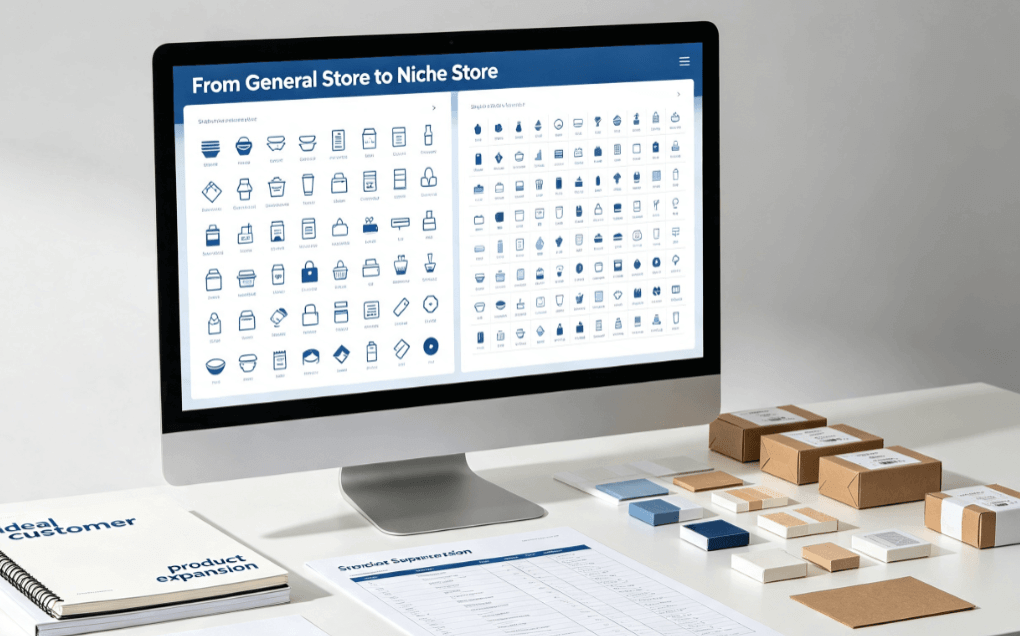
One of the biggest mistakes new sellers make is opening a general adult store with hundreds of unrelated products. Although this seems like it gives customers more choice, it also places your business in direct competition with established retailers that already have larger inventories, stronger SEO, and bigger advertising budgets.
A more practical strategy is choosing one niche and becoming a trusted source within that category. For example, some stores focus exclusively on beginner-friendly products, while others specialize in fantasy toys, couples’ products, or body-safe silicone collections. A focused catalog is easier to optimize for search engines, simpler to market on social media, and often creates a more consistent shopping experience.
Choosing a niche also helps guide future purchasing decisions. Instead of asking, “What products should I add next?” you’ll start asking, “What products would my ideal customer buy next?” That shift makes product expansion much more strategic.
Conduct Market Research
Before spending any money on products, spend time understanding what customers are already searching for and where existing stores fall short. Google Trends, Reddit, Amazon reviews, TikTok comments, and competitor stores can all reveal recurring questions, complaints, and buying motivations.
Pay particular attention to reviews that mention sizing, material quality, packaging, or unrealistic product descriptions. These often highlight opportunities to differentiate your business without creating entirely new products.
Keyword research is equally important. Rather than targeting broad phrases with intense competition, focus on search terms that reflect clear buying intent. Long-tail keywords typically attract visitors who already know what they want, making them more valuable for a new store with limited marketing resources.
Develop a Business Plan
Your first business plan doesn’t need to be lengthy. In fact, a single page covering your target customer, sourcing model, sales channels, estimated budget, and revenue goals is usually enough for a business at this stage.
Most startups under $500 should prioritize validating demand rather than maximizing product variety. That means deciding in advance how much of the budget will be allocated to website setup, product samples, business registration, and marketing, while leaving enough cash available to respond to unexpected costs.
Treat the plan as a working document rather than something permanent. As sales data begins to accumulate, you’ll have a much clearer picture of which products deserve further investment.
Navigate Legal Requirements
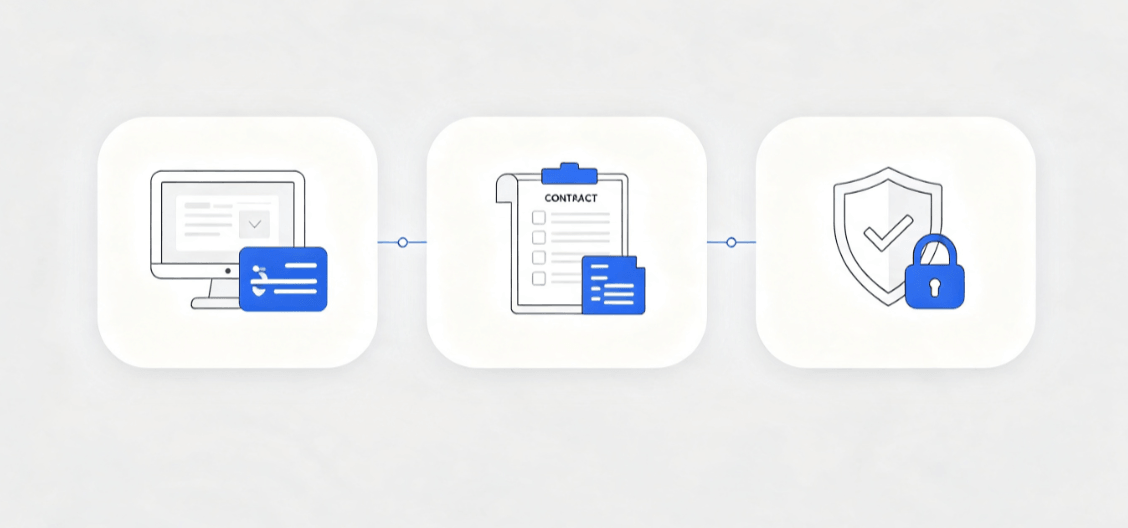
Although starting an adult toy business is relatively accessible, it still involves legal responsibilities that shouldn’t be overlooked. Depending on where you operate, you may need to register your business, collect sales tax, comply with consumer protection regulations, and follow local import requirements.
Your website should also include clear privacy policies, terms of service, age restrictions where required, and transparent return policies. These not only improve customer trust but also make it easier to work with payment providers and ecommerce platforms that often apply stricter compliance standards to adult businesses.
Taking these steps early is usually far less expensive than correcting compliance issues after your business begins to grow.
Budgeting and Financial Considerations
Is $500 enough to launch a small adult toy brand?
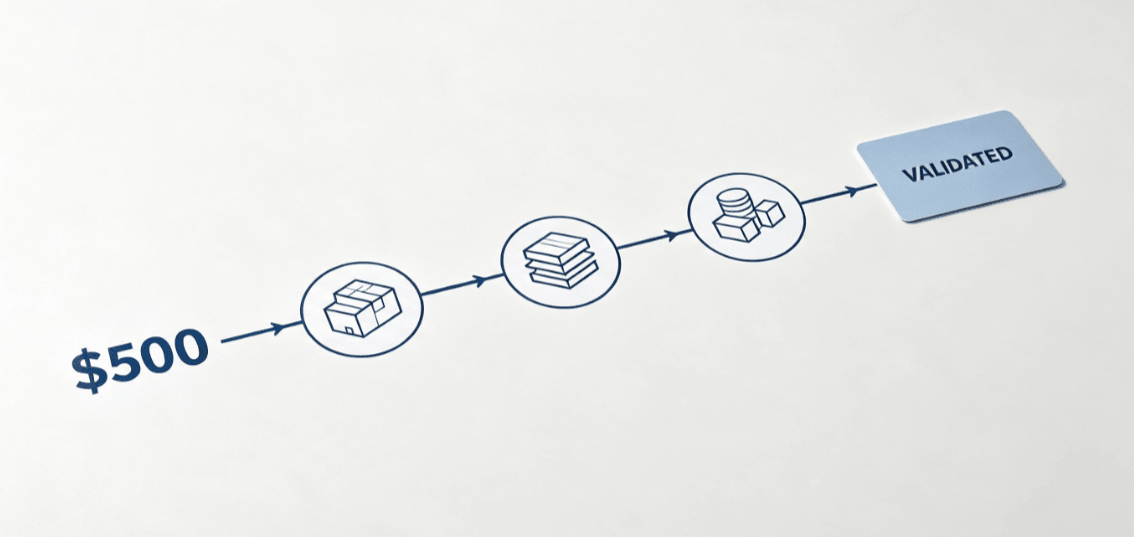
The short answer is yes—but only if your goal is to validate the market rather than launch a fully developed brand.
Many new sellers assume they need custom packaging, a large inventory, and dozens of products before opening an online store. In reality, those investments make more sense after you’ve confirmed that customers are willing to buy from you. A $500 budget is better viewed as a testing fund than a business fund.
For most beginners, that means choosing between dropshipping and low-MOQ wholesale instead of purchasing hundreds of units upfront. Both models reduce financial risk, although they offer different levels of control over pricing, branding, and fulfillment.
If your long-term objective is to build a recognizable brand, consider treating the first few months as a research phase. Focus on identifying which products sell consistently, what customers ask about, and which marketing channels generate qualified traffic. The insights gained during this stage are often more valuable than investing the entire budget in inventory that may never sell.
Calculate Your Startup Costs
One advantage of starting with limited capital is that every expense must have a clear purpose. Before spending any money, estimate the essential costs required to launch your store and avoid optional purchases that can wait until sales begin.
A typical budget might look like this:
| Expense | Estimated Cost |
|---|---|
| Domain name | $10–20 |
| Shopify or hosting | $30–50 |
| Business registration (if applicable) | Varies |
| Product samples | $100–150 |
| Logo and basic branding | $30–80 |
| Initial marketing | $100–150 |
| Emergency reserve | Remaining budget |
Notice that inventory isn’t necessarily the largest expense. Product samples are often a better investment because they allow you to verify quality, create original product photos, and gain firsthand knowledge before recommending products to customers.
Leaving part of the budget untouched is equally important. Unexpected costs—such as payment processing fees, returns, or software subscriptions—are common during the first few months of operation.
Pricing for Profit
One of the biggest mistakes made by new sellers is pricing products solely to be cheaper than competitors. While low prices may generate initial orders, they rarely create a sustainable business.
Instead, calculate your selling price by considering all operating costs, including product costs, shipping, payment processing fees, platform subscriptions, advertising, and customer support. Your margin should leave enough room to absorb discounts or promotional campaigns without turning every sale into a break-even transaction.
Many successful stores also increase their average order value rather than relying on higher product margins alone. Bundling complementary products, offering free shipping above a minimum order value, or recommending accessories at checkout can often improve profitability without raising prices.
Customers are generally willing to pay slightly more when they receive clear product information, responsive support, and a professional shopping experience. Competing on value is usually more sustainable than competing on price alone.
Sourcing Products
Options to Consider
Your sourcing model has a direct impact on startup costs, profit margins, and how quickly your business can scale. Rather than asking which option is “best,” ask which one fits your current budget and long-term goals.
Dropshipping requires the smallest upfront investment because products are shipped directly from the supplier after a customer places an order. This model is attractive for testing demand, although fulfillment times and branding options may be limited.
Low-MOQ wholesale involves purchasing a small quantity of inventory in advance. While it requires more capital, it typically offers better unit pricing, faster shipping to customers, and greater flexibility for creating product bundles or branded packaging.
Some entrepreneurs eventually combine both models—using dropshipping to test new categories while stocking proven best sellers locally. This hybrid approach helps reduce inventory risk without limiting growth opportunities.
How Can I Dropship Adult Toys With Minimal Capital?
For entrepreneurs working with a limited budget, dropshipping remains one of the easiest ways to enter the market because it eliminates the need to purchase inventory before making sales. Instead of investing hundreds of dollars in products that may never sell, you can focus on building your store, attracting visitors, and learning which items generate consistent demand.
Choosing the right supplier is far more important than choosing the lowest price. Product quality, inventory stability, shipping reliability, and communication all affect customer satisfaction. A supplier with slightly higher pricing but consistent fulfillment often creates a better customer experience than one offering the cheapest products.
As your store begins generating repeat orders, you may find that certain products consistently outperform the rest of your catalog. Those products become strong candidates for bulk purchasing, branded packaging, or eventually private-label development.
If you’re exploring beginner-friendly sourcing models, our guide to sex toy supplier for small business explains how entry-level resellers can start with flexible order quantities and gradually expand as demand grows.
Print-on-Demand Lingerie and Toy Accessories Under $500
Although print-on-demand isn’t suitable for adult toys themselves, it can be an affordable way to expand your product catalog without increasing inventory costs.
Many small brands offer complementary products such as storage bags, apparel, novelty accessories, or lifestyle merchandise using print-on-demand platforms. These items help reinforce brand identity while creating additional revenue streams that require little upfront investment.
This strategy works particularly well for content creators, niche communities, or educational brands that already have an engaged audience. Rather than relying entirely on toy sales, they diversify their catalog with products that carry lower fulfillment risks and can often be customized more easily.
For beginners, however, print-on-demand should remain a complementary strategy rather than the core business model. Establishing demand for your primary product categories should always take priority before expanding into branded merchandise.

Building Your Online Presence
Set Up Your Online Store
Launching your online store doesn’t require an expensive custom website. Platforms like Shopify and WooCommerce provide enough flexibility for most startups while handling essential ecommerce functions such as product management, payments, and order processing.
When your budget is limited, prioritize functionality over appearance. A clean homepage, logical navigation, and fast loading speed will have a greater impact on conversions than premium themes or complex animations. Your first goal is to create a shopping experience that feels trustworthy and makes it easy for customers to find products.
It’s also worth thinking beyond the launch. Choose a platform that can grow with your business so you won’t need to rebuild your store when you begin adding branded products or expanding into wholesale and private-label offerings.
Compliant Product Pages and Content
Product pages do much more than describe an item—they help customers make purchasing decisions while improving organic visibility in search engines.
Rather than copying supplier descriptions, write original content that explains who the product is suitable for, what materials are used, how it differs from similar products, and how it should be cared for. Original product content not only supports SEO but also builds credibility with potential buyers.
At the same time, remember that adult products operate under stricter policies than many other industries. Avoid misleading claims, include appropriate age notices where required, and make material information, safety guidance, and shipping policies easy to find. Well-structured product pages are also more likely to perform well in Google Search because they demonstrate expertise and transparency.

Can I sell adult toys from home without storefront?
In many countries, the answer is yes. Thousands of ecommerce businesses operate without a physical retail location, shipping products directly from suppliers or storing a small inventory at home. The exact requirements depend on your local regulations, tax obligations, and business registration rules, so it’s important to verify what applies in your market.
Running the business from home can significantly reduce overhead costs, allowing more of your budget to be invested in product testing and marketing. As order volume grows, you can decide whether it makes sense to move inventory into a fulfillment center or continue working with suppliers that handle shipping on your behalf.
For many first-time entrepreneurs, starting from home isn’t a limitation—it’s simply the most practical way to validate demand before making larger financial commitments.
Marketing Strategies
What Marketing Works for Low-Budget Adult Toy Startups?
With only a few hundred dollars available, paid advertising is unlikely to deliver sustainable results. Many mainstream advertising platforms also impose restrictions on adult products, making customer acquisition more expensive than in other ecommerce industries.
Instead, focus on channels that continue generating traffic after the initial work has been completed. Search engine optimization, educational blog content, email marketing, and community engagement generally provide better long-term returns than short-lived advertising campaigns.
Publishing useful buying guides, answering common customer questions, and comparing different product types can attract visitors who are actively researching before making a purchase. This approach also helps establish trust, which is especially important for new brands with little market recognition.
SEO and Social Media for Adult Toy Businesses
SEO is often the most cost-effective marketing strategy for a new adult toy business because it targets customers already searching for solutions. Rather than competing for highly competitive keywords, build content around long-tail searches that reflect specific purchase intent or common questions.
Social media should be approached differently. Since many platforms restrict explicit product promotion, successful brands often focus on sexual wellness education, relationship advice, product care, or behind-the-scenes business content instead of direct sales messaging. This helps build an audience without repeatedly encountering moderation issues.
The most resilient marketing strategy combines both channels. SEO brings consistent organic traffic over time, while social media strengthens brand recognition and encourages repeat engagement. Together, they create a more stable customer acquisition system than relying on either channel alone.
Navigating Challenges
Payment Processor and Legal Challenges
One of the first surprises many new entrepreneurs encounter is that selling adult products involves additional scrutiny from payment providers. Some processors classify the industry as higher risk, which may result in stricter account reviews, rolling reserves, or higher transaction fees.
Before launching your store, confirm that your payment provider accepts adult product businesses and understand any restrictions that apply to your product range. Changing processors after your business begins operating can interrupt cash flow and create unnecessary administrative work.
Legal compliance deserves the same level of attention. Product safety regulations, consumer protection laws, and import requirements vary by country, especially if you plan to sell internationally. Addressing these issues early reduces the likelihood of disputes and creates a more stable foundation for future growth.
Market Visibility and Restrictions
Generating visibility is often more challenging than launching the store itself. Large marketplaces, advertising networks, and social platforms all apply different policies to adult content, meaning a strategy that works in another industry may not work here.
Rather than relying on a single traffic source, diversify your marketing efforts from the beginning. Organic search, email newsletters, referral partnerships, educational content, and niche communities can collectively generate more reliable traffic while reducing dependence on any one platform.
Businesses that diversify early are generally better prepared when platform policies change or advertising costs increase.
Trend Intelligence
AI-Personalized Adult Toy Bundles on Micro-Budgets
Artificial intelligence is making it easier for even small businesses to deliver more personalized shopping experiences. Instead of manually recommending products, store owners can use AI tools to suggest complementary items based on browsing behavior, previous purchases, or customer preferences.
For startups, this doesn’t require expensive custom software. Many ecommerce apps already offer product recommendation features that can increase average order value without requiring additional advertising spend.
The goal isn’t to replace human judgment but to help customers discover products that better match their needs, creating a more relevant shopping experience from the beginning.
TikTok-Safe Sex Education Driving Budget Toy Startups
Although direct promotion of adult toys is restricted on many social platforms, educational content continues to perform well when it focuses on wellness, relationships, product materials, or beginner guidance rather than explicit demonstrations.
This has created an opportunity for small brands to build credibility before asking customers to buy anything. Short educational videos, blog articles, FAQs, and email newsletters can all work together to establish expertise while remaining within platform guidelines.
For startups with limited budgets, educational content is often one of the few marketing assets that continues generating value long after it has been published.
Scaling and Future Considerations
Long-Term Strategies for Growth
Once your store begins generating consistent sales, the next priority should be improving profitability rather than simply adding more products. Review sales data regularly to identify your strongest-performing categories, discontinue slow-moving items, and invest more heavily in products that customers repeatedly purchase.
Many successful businesses gradually transition from dropshipping to low-MOQ wholesale and eventually to private-label manufacturing. Each stage provides greater control over branding, pricing, and customer experience while reducing dependence on identical products sold by competitors.
Growth is usually the result of continuous optimization rather than rapid expansion.
Creating Customer Loyalty
Acquiring a customer is only the beginning. Long-term success depends on giving people a reason to return instead of purchasing the same products elsewhere.
Clear communication, reliable delivery, responsive customer support, and honest product information all contribute to repeat business. As your customer base grows, consider introducing loyalty rewards, exclusive product launches, or educational email content that provides value beyond individual transactions.
Strong customer relationships are often the most effective competitive advantage a small business can build because they are difficult for competitors to replicate.
FAQ
A:Profit margins vary by sourcing model and operating costs. Most retailers aim for 30%–60% gross margins, while private-label products often provide higher returns because there is less direct price competition. Before setting prices, include shipping, payment processing, advertising, and platform fees to ensure each sale remains profitable.
A:Yes, provided you choose the right niche and sourcing strategy. The adult toy market continues to grow, but new stores rarely succeed by competing on price alone. Focusing on a specific audience, offering reliable products, and building organic traffic through SEO usually creates a stronger foundation for long-term growth.
A:Start by registering your business if required, understanding local tax rules, and checking product regulations in your target market. Your website should also include privacy policies, terms of service, and age restrictions where applicable. Taking care of these basics early helps avoid compliance issues later.
A:Use suppliers that provide clear product specifications and quality documentation, and make sure your website includes any required age verification and safety information. Regulations vary by country, so always review the requirements for the markets where you plan to sell.
A:Base your prices on your total costs rather than competitor pricing alone. If you’re dropshipping, focus on healthy margins and increasing average order value. If you’re buying wholesale, lower unit costs give you more flexibility while maintaining profitability.