
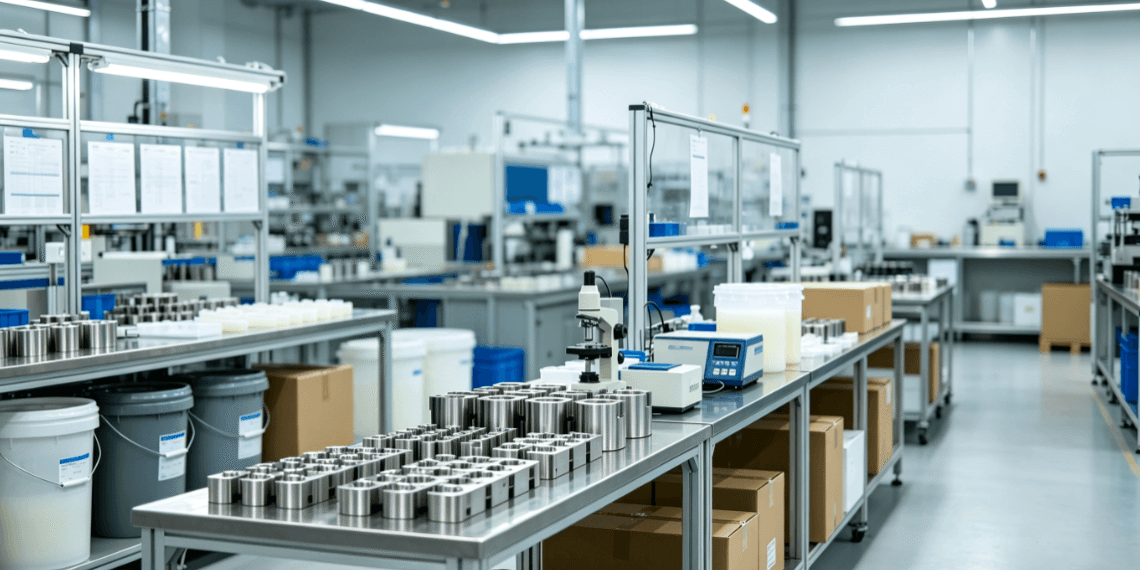
Starting a new adult toy brand often begins with a product idea rather than a complete manufacturing plan. You may know what you want the product to look like, who you want to sell it to, and how you want your brand to feel, but have little experience with molds, materials, production, or MOQ.
That is especially common for small DTC and Shopify startups. You do not necessarily need a large team or a finished engineering drawing to begin. What you need is a practical path from the initial idea to a product that can be manufactured, tested, and eventually sold.
For an oversized product such as a huge dildo, choosing the right manufacturing partner is an important part of that process. The goal is not simply to find the lowest factory price. It is to find a partner that can help you develop the product while keeping your first investment and inventory risk under control.
Understanding the Manufacturing Process
Before choosing a factory, it helps to understand what actually happens between a product idea and mass production. This gives a startup a much better basis for evaluating manufacturers.
Evaluating Manufacturing Options for Large Dildos
A new brand generally has three ways to approach product sourcing: use an existing product, customize an existing design, or develop a completely new product.
Using an existing design is usually the simplest option. You can add your branding, select colors, customize packaging, and start testing the market without developing a new mold.
Customization offers more differentiation while keeping some of the existing manufacturing structure. Full OEM/ODM development provides the most control over dimensions, shape, texture, color, and other product details, but also requires more development work.
For a startup, the most sophisticated option is not automatically the best one. If your budget is limited, a customized existing product may be a smarter first step than investing heavily in a completely new design.
The right choice depends on how important product differentiation is to your brand and how much risk you are comfortable taking with your first order.
The Start-Up Checklist: What You Need to Begin
You do not need to understand every manufacturing detail before approaching a factory.
A rough product concept, reference images, approximate dimensions, preferred material, target customer, and expected price range can be enough to start a productive conversation.
It is also useful to have an initial idea of how much inventory you can realistically afford. A product may look attractive on paper, but if the required MOQ consumes most of your startup budget, it may not be the right first product.
The purpose of the first discussion is to turn an idea into a realistic development plan—not to have every technical detail finalized on day one.
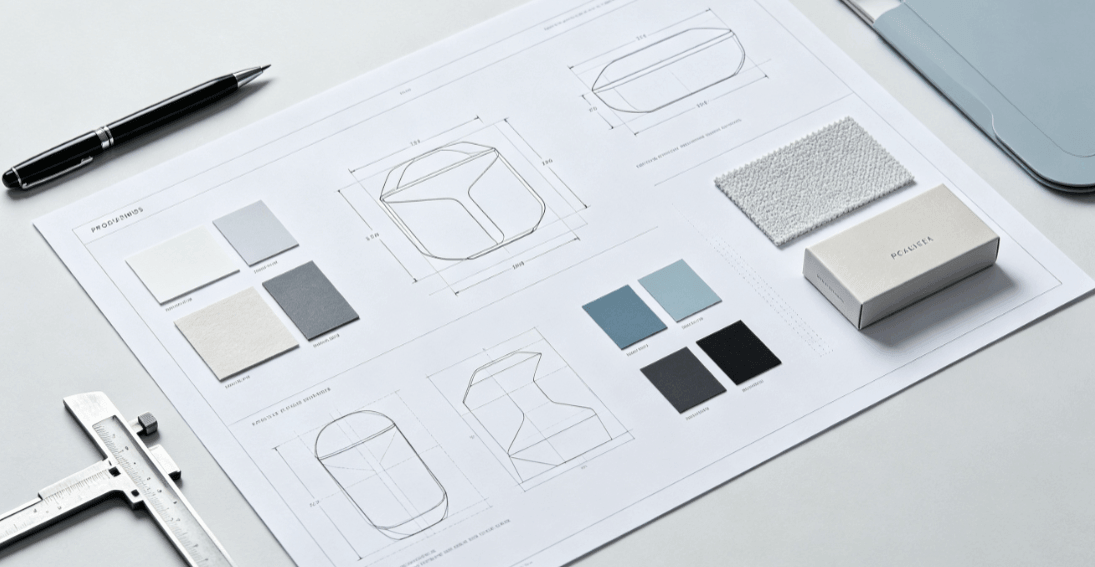
Concept and Product Requirements Document (PRD)
Once the idea becomes more specific, a simple Product Requirements Document can help keep everyone aligned.
For a small brand, the PRD can be only a few pages. It might describe the product concept, target size, material, color, texture, branding, packaging, estimated quantity, target price, and launch schedule.
The most important part is explaining why you want to develop the product. A manufacturer can then understand whether a proposed design supports your target positioning and budget.
For example, if your goal is to create a premium product for a niche DTC audience, the manufacturer may recommend different materials, finishing, packaging, or production methods than it would for a low-cost mass-market product.
Selecting the Right Manufacturer
Once you understand your product requirements, the next challenge is finding a manufacturer that fits your stage of business.
How to Vet and Choose a Reliable OEM/ODM Manufacturer
A quotation can tell you the price of a product, but it cannot tell you how easy the development process will be.
For a first-time founder, manufacturing support can be just as important as the final unit cost. You may need help understanding whether your concept can be molded, which material is appropriate, how long prototyping will take, or how a design change will affect the price.
When evaluating a huge dildo manufacturer, look at the complete process from product development through production. A capable partner should be able to explain how design, prototyping, mold development, sampling, quality control, packaging, and shipping fit together.
This is particularly valuable when your internal team is small and you do not have a product engineer or sourcing specialist.
Questions to Ask: Manufacturer vs. Trading Company
Working with a trading company is not necessarily a problem. The important thing is understanding where manufacturing actually takes place and who controls the process.
This becomes more important when you are developing an original product. If the design needs to be modified after prototyping, direct access to the manufacturing side can make communication much faster.
It is also worth discussing confidentiality before sharing detailed product concepts. For a startup whose product idea is central to its brand, protecting the concept from the beginning is much easier than trying to address a problem later.
Assessing Manufacturer Experience in Silicone Toys
Large silicone products can require more manufacturing experience than a standard catalog item.
The product’s dimensions, surface details, material properties, mold structure, and production method can all affect the final result. A manufacturer with relevant experience is more likely to recognize potential issues before they become expensive problems.
Look at the manufacturer’s previous work rather than relying only on a general statement that it produces silicone products.
An experienced silicone sex toy manufacturer should be familiar with custom molds, different silicone specifications, custom colors, surface textures, and the consistency required across a production run.
Ensuring Safety: Materials and Certifications
Material selection should be part of the development discussion from the beginning.
Instead of choosing a material because it is described as “premium” or “body-safe,” find out what material will actually be used and what documentation is available for it.
The material should suit the product’s intended characteristics as well as the requirements of your target market. For a startup, this also matters financially because material choice can influence the product’s manufacturing cost.
A manufacturer that can clearly explain its material options and provide relevant documentation makes this decision much easier.

The Importance of Compliance and Safety Standards
Compliance is easier to manage when it is considered before production rather than after the product is finished.
Different markets can have different requirements relating to materials, testing, labeling, packaging, and documentation. A manufacturer can provide available test reports and material information, but the brand should also confirm the requirements that apply to its own market and sales channel.
For a first product, doing this work early can prevent a much more expensive problem later.
Customization and Production
After selecting a manufacturing partner, the focus moves from choosing a supplier to actually developing the product.
Customizable Designs: Shapes, Colors, and Textures
Customization can help a new brand create a recognizable product without requiring every component to be completely new.
A distinctive shape, signature color, surface texture, or branded packaging may be enough to create a stronger identity.
However, every additional customization can influence development time and cost. For a startup, it is usually better to identify the two or three features that matter most to the brand rather than trying to customize everything.
The best customization decisions are those that customers can actually notice and that support the positioning of the product.
Prototyping and Sampling Process
The prototype is where a product concept becomes something you can actually evaluate.
A typical development path may move from the initial concept to 3D design, prototype, design adjustments, mold development, sample approval, and mass production.
This stage gives a startup an opportunity to identify problems before committing to a large quantity. A prototype may reveal that the proportions need adjustment, the material feels different from what was expected, or a particular design feature is more difficult to manufacture than anticipated.
Rapid prototyping can therefore reduce uncertainty. Depending on the product complexity, a prototype may be developed in around seven days, allowing the brand to review the idea before moving further into production.
If you are developing a custom oversized product, you can also explore our huge dildo factory to learn more about OEM/ODM development and manufacturing support.
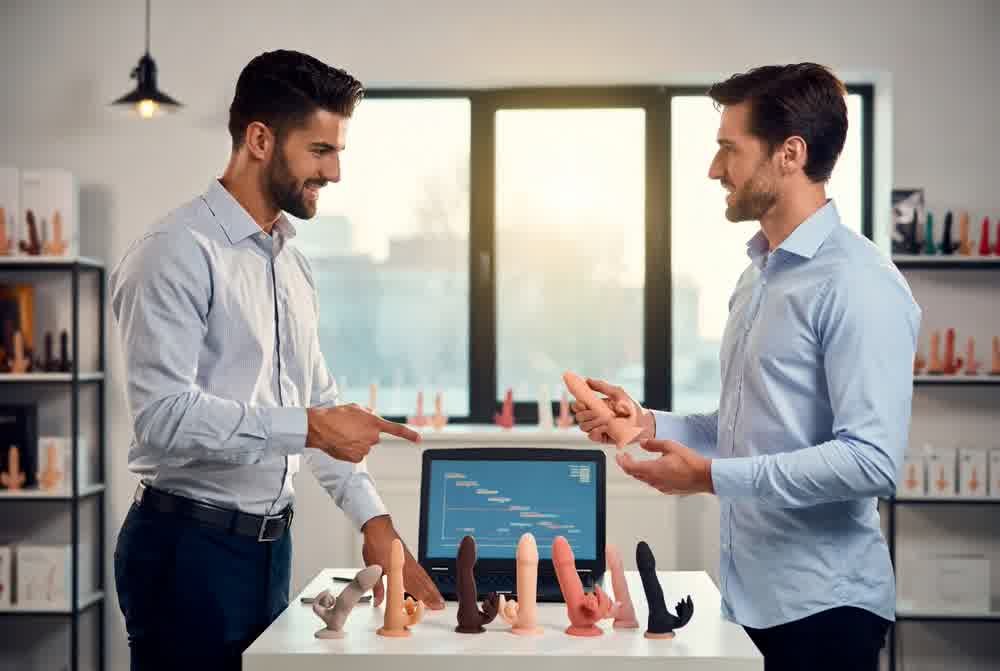
Quality Control and Assurance Processes
One of the biggest risks for a new brand is approving a sample and then receiving mass-produced products that do not match it.
Quality control should therefore happen throughout the manufacturing process.
A practical system can include incoming material inspection, production inspection, and 100% final inspection before shipment. For a startup, production visibility is also useful. Photos or real-time video inspection can provide additional confidence before the goods leave the factory.
The purpose is not to make manufacturing complicated. It is to catch problems early, when they are easier and less expensive to correct.
Packaging and Branding: Essentials for Market Success
For a DTC brand, packaging is part of the product experience.
A new brand does not necessarily need an expensive custom structure for its first order. Private-label packaging can create a consistent brand identity while allowing the business to control its initial investment.
As sales grow, packaging can become more sophisticated. The important thing is to make sure the manufacturer can support your brand as those requirements develop.
Logistics, Shipping, and Discreet Packaging Solutions
Shipping should be considered before production is complete because it affects both cost and launch timing.
Samples are often shipped by express services, while larger orders may use air or ocean freight depending on the quantity and destination.
For adult products, discreet external packaging may also be important. Agreeing on outer carton information and neutral packaging before production can prevent unnecessary surprises when the order is ready to ship.
Financial and Operational Considerations
For a startup, manufacturing decisions are ultimately cash-flow decisions. A good product can still become a difficult first project if too much money is tied up in inventory.
Analyzing Minimum Order Quantity (MOQ) and Pricing Structures
MOQ is one of the biggest concerns for a new adult toy brand because every additional unit increases the amount of capital tied up in inventory.
This is why low MOQ sex toys can be useful for startups that want to test demand before scaling.
However, the lowest MOQ does not always produce the best economics. Smaller orders can have higher unit costs, while slightly larger quantities may offer better pricing.
Instead of looking only at the minimum order, compare several quantity levels and consider how each one affects your cash flow, expected sales, and inventory risk.
Your first order should be large enough to test the product properly but small enough that unsold inventory will not put unnecessary pressure on the business.
Understanding Payment Terms and Conditions
The quoted unit price is only one part of the development cost.
Custom products may also involve prototype development, mold costs, packaging, printing, testing, and shipping. Understanding these costs separately makes it much easier to calculate the actual investment required before production begins.
This is especially important when developing private label adult toys, because branding and packaging can add costs that are not included in the basic product quotation.
Clear payment terms also help a small business plan its cash flow throughout the development process.
Managing Lead Times and Production Capacity
A custom product launch involves more than the number of days needed to manufacture finished products.
The timeline may include design, prototyping, mold development, sample approval, production, quality inspection, packaging, and shipping.
Depending on complexity, prototype development may take around seven days, while bulk production can often take approximately 15–25 days once the product and production details are finalized.
When comparing manufacturers, make sure you understand what their quoted lead time actually covers. A realistic schedule is much more useful for a startup than an attractive but incomplete production promise.
Handling Product Defects and After-Sales Support
Resolving Product Defects and Quality Issues
Quality problems are much easier to handle when expectations have been defined before production.
The approved sample, product specifications, and agreed quality standards should provide a clear reference for the final order.
If a problem occurs, there should also be a clear process for documenting defective products and deciding whether they require replacement, rework, or another solution.
This may seem like a small operational detail when you are still developing the product, but it becomes important once your first commercial order represents a significant part of your budget.
Ensuring Customer Satisfaction Post-Sale
The first production run should not be viewed as the end of product development.
Once customers start using the product, you will gain information that cannot be obtained from a prototype alone. You may discover that one color performs better, customers prefer a particular feature, or there is demand for a related product.
A manufacturing partner that already understands your product and specifications can make these improvements much easier to implement.
For a startup, the ideal relationship is therefore not simply “place an order and move on.” It is a manufacturing partnership that can develop alongside the brand.
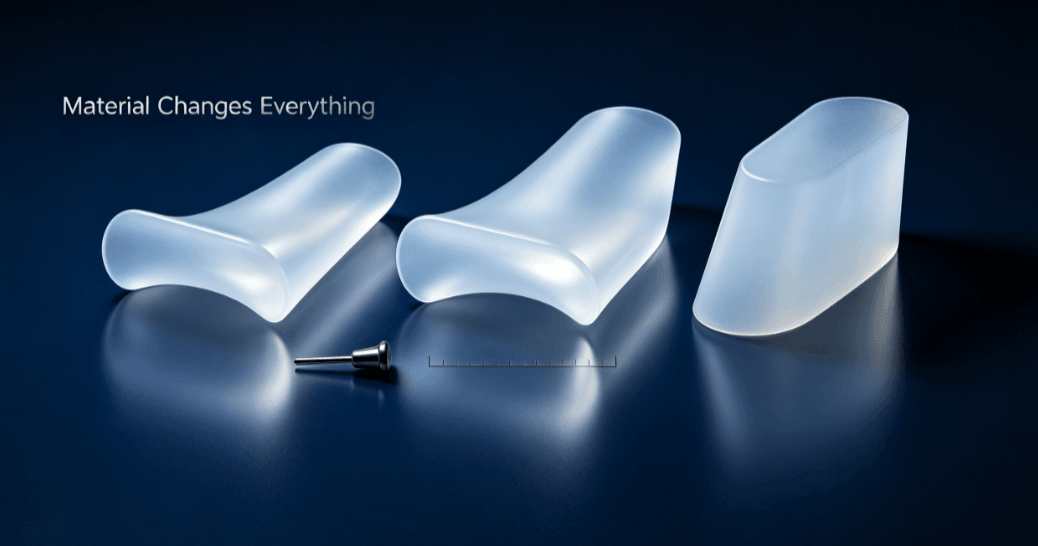
Body-Safe Materials and Ethical Manufacturing
Choosing Medical-Grade Silicone for Oversized Dildos
Material selection affects more than the final feel of an oversized product. It can also influence appearance, durability, manufacturing methods, and cost.
If you are considering medical-grade silicone, focus on the actual material specification and available documentation rather than relying only on marketing terminology.
The right material should meet your product requirements while remaining commercially realistic. A startup needs to balance quality expectations with a price that its target customers are willing to pay.
Ethical Sourcing and Environmental Considerations
Ethical manufacturing does not need to become a complicated project for a new brand.
It can begin with basic questions about material sourcing, production practices, packaging, and waste management.
These factors may become more important as your brand grows, particularly if your customers care about sustainability or if you eventually work with retailers that have their own supplier requirements.
Choosing a manufacturer whose production practices fit your long-term brand values can save you from having to rethink your supply chain later.
🆕 Niche Markets and Innovative Designs
Developing Customizable Designs for Niche Audiences
A startup usually does not have the marketing budget to appeal to everyone.
A more practical strategy is often to develop a product for a clearly defined audience. That could mean a particular aesthetic, product preference, community, or underserved niche.
This also makes product development more focused. Instead of trying to create a product that appeals to the entire adult market, you can make design and branding decisions around the people you actually want to reach.
For a small DTC brand, this kind of focus can be a stronger competitive advantage than simply adding more SKUs.
Positioning Your Brand Around Quality, Safety, and Innovation
New brands often assume they need to compete on price. In reality, a startup can differentiate in many other ways.
A recognizable product concept, consistent quality, thoughtful packaging, and a clear understanding of the target customer can create more value than simply offering a cheaper alternative.
Your manufacturer plays an important role here. If your brand is positioned around quality and innovation, manufacturing consistency has to support that promise.
The product, packaging, materials, and customer experience should all communicate the same positioning.
FAQ
A:Ask for relevant material test reports and certifications, and confirm they apply to your specific product and target market.
A:Silicone is a common choice. Ask the manufacturer for the exact material specification and relevant safety documentation.
A:Compare MOQ, unit price, mold costs, packaging, and shipping together. The lowest MOQ is not always the most cost-effective option.
A:Look for manufacturing experience, OEM/ODM capabilities, quality control, and reliable communication rather than choosing based on country alone.
A:Confirm neutral outer cartons and discreet shipping arrangements with the manufacturer before production.
A practical development path is simple:
Understand your customer → define the product concept → review the idea with a manufacturer → prototype → refine → approve the sample → start with a manageable order → collect market feedback → improve and scale.
Your first product does not have to be perfect. It needs to be realistic to manufacture, financially manageable, and relevant to the customers you want to reach.
If you already have a product idea or even just a rough concept, discussing it with an experienced manufacturing partner before committing to a mold can help you understand the development process, expected costs, MOQ, and timeline—and make a much more informed first investment.