

Therapists, coaches, and sexual wellness professionals often hold deep insights into user needs. They see real pain points that mass-market products miss. Yet turning those insights into actual products that factories can produce at scale remains difficult. This guide explores how professionals can bridge that gap and create manufacturable sexual wellness products that respect both clinical understanding and production realities.
Understanding the Connection Between Therapy and Sexual Wellness Design
How Therapists Influence Sex Toy Design
Therapists work directly with users over long periods. They notice subtle patterns in comfort, safety concerns, and unmet micro-needs. These observations often reveal opportunities that traditional product development overlooks.
Many current sexual wellness products focus on broad appeal. They miss niche requirements around body types, specific health conditions, or ethical considerations. Professionals who bring clinical experience can guide designs toward better ergonomics and real-world usability.
When therapists share detailed feedback on user scenarios, manufacturers gain clearer direction. This input helps create products that feel authentic rather than generic. The result often improves both user satisfaction and professional credibility for the people who recommend or create them.
What Makes a Sex Toy Manufacturable?
A great concept does not always translate into production. Manufacturable designs require clear specifications on materials, structure, and assembly processes. Factories need precise information about tolerances, surface finishes, and quality benchmarks.
Professionals often face frustration here. Their insights stay conceptual because factories struggle to interpret clinical language into engineering terms. Successful translation involves breaking down user needs into measurable features. For example, softness levels, flexibility requirements, or insertion angles become technical parameters.
Early collaboration with experienced manufacturers helps. They can flag potential production challenges before heavy investment. This step protects both the professional vision and the final product quality.
Are Body-Safe Materials Better for Intimacy Products?
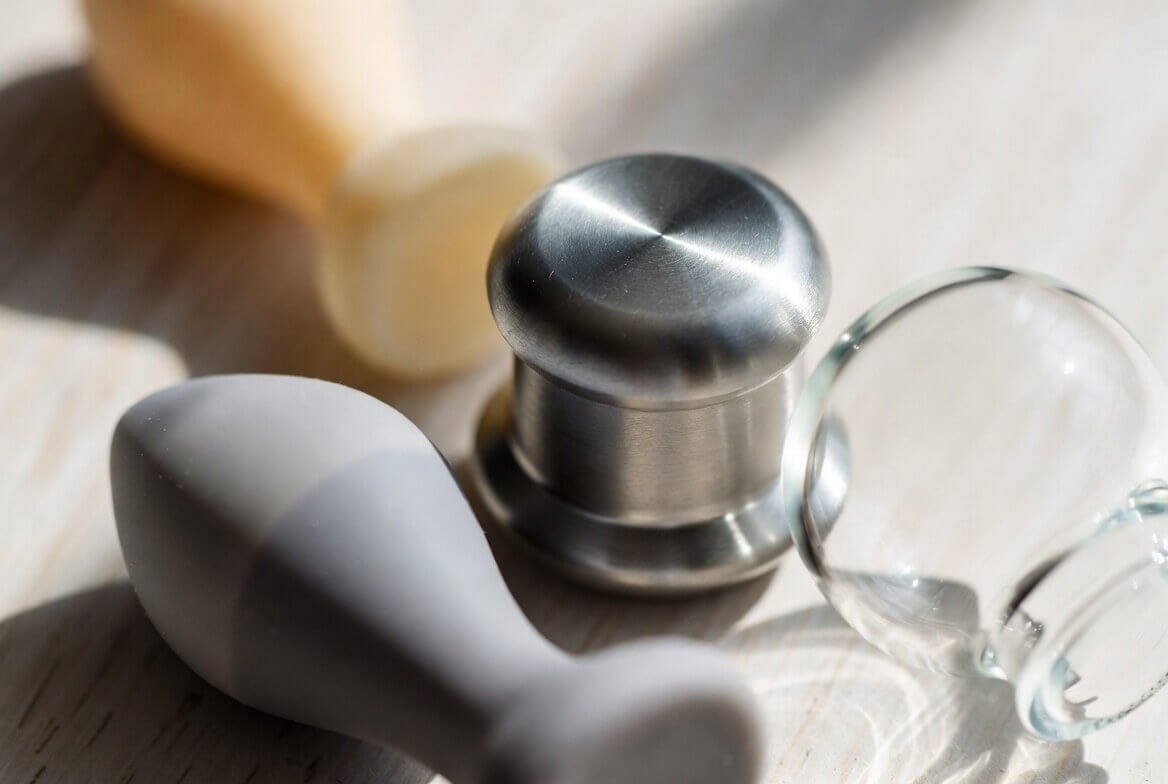
Body-safe materials reduce health risks for users. Medical-grade silicone, certain metals, and properly formulated TPEs resist bacterial growth when non-porous. They also avoid common concerns with phthalates and other additives.
However, not every material labeled “body-safe” meets strict standards. Some claims rely on marketing rather than verified testing. Professionals who understand tissue compatibility and long-term use can push for higher material standards during development.
Choosing the right materials also affects manufacturability. Some body-safe options cost more or require specific molding techniques. Clear communication about priorities helps factories propose practical solutions that maintain both safety and feasibility.
Market Insights in the Sexual Wellness Industry
The Size and Scope of the Sexual Wellness Market
The global sexual wellness market reached significant scale in recent years. According to SNS Insider, the market was valued at approximately $30.23 billion in 2025, with continued strong growth projected through the decade. Demand spans devices, lubricants, and wellness-focused items across diverse user groups.
Growth appears strongest in regions with rising awareness and easier access through e-commerce. Professionals notice increasing interest in products that address specific wellness goals rather than only novelty.
This expanding market creates space for specialist-driven products. Niche offerings based on real clinical insights can stand out against mass-produced alternatives.
Key Drivers and Opportunities in the Market
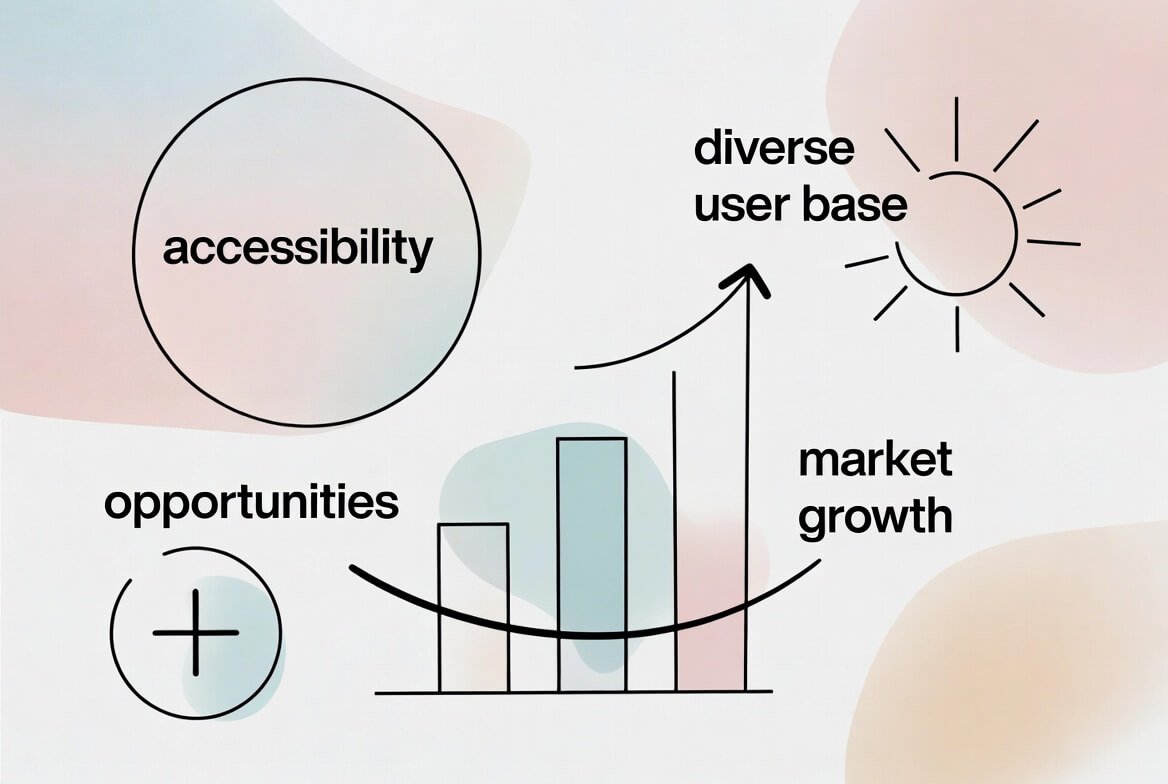
Several factors fuel current growth. Greater openness around sexual health reduces stigma. More users seek products that support pleasure alongside wellness. Inclusive design and body-positive approaches also gain traction.
Opportunities exist for professionals who can identify underserved segments. People with specific health needs, diverse body types, or particular lifestyle requirements often lack suitable options. Therapist-informed products can fill these gaps while building trust through professional association.
Another driver involves demand for education alongside products. Users want guidance on safe use and realistic expectations. Professionals who co-create products can also develop supporting content that strengthens long-term brand value.
Major Players and Competitive Landscape
Large companies such as Reckitt Benckiser, Church & Dwight, and specialized brands like LELO and Lovehoney dominate parts of the market. They bring scale and distribution strength.
At the same time, the space remains fragmented enough for new entrants. Smaller or specialist brands succeed when they offer clear differentiation. Professional credibility and authentic user insights serve as strong advantages against purely commercial competitors.
Professionals who enter this space often benefit from partnerships that handle manufacturing while they focus on design direction and community connection.
Design Innovation in Sexual Wellness Products
Inclusive Body-Safe Material Innovation
Inclusive design starts with materials that work across different bodies and needs. Advances in medical-grade silicones and new formulations allow softer textures, better durability, and improved safety profiles.
Professionals can contribute by specifying performance requirements based on observed user feedback. For instance, they may request materials that maintain integrity after repeated cleaning or that accommodate varying sensitivity levels.
Manufacturers who understand both material science and clinical priorities can propose options that meet these standards without excessive cost increases. Early dialogue prevents later compromises on quality or safety.
Therapist-Informed Pleasure Design
Therapist-informed design prioritizes real user experiences over assumptions. It considers psychological comfort, physical safety, and ethical presentation from the start.
This approach often leads to products with better ergonomics and clearer usage guidance. It also helps avoid designs that feel clinical in a cold way or overly explicit in a way that conflicts with professional branding.
When professionals stay involved through prototyping, they can validate whether a design truly addresses the intended user scenarios. This involvement raises the final product’s quality and relevance.
Clinical Validation and Testing of Sexual Wellness Products
How Are Sexual Wellness Products Clinically Tested?
Most sexual wellness products currently fall under novelty item regulations rather than strict medical device rules in many markets. This means mandatory clinical testing remains limited for the majority of items.
Some brands pursue voluntary testing for material safety, mechanical durability, and user trials. These efforts provide extra assurance but vary widely in rigor. Professionals can advocate for more structured validation when they participate in product development.
Clear documentation of testing protocols helps both manufacturers and professionals communicate safety claims responsibly. It also supports marketing that aligns with professional standards.
The Role of Clinical Studies in Product Approval
Clinical studies add credibility, especially for products aimed at specific wellness outcomes. They can demonstrate safety, effectiveness, or user satisfaction in controlled settings.
However, conducting full clinical studies requires resources and expertise. Many smaller brands or new entrants struggle with this step. Partnerships with manufacturers experienced in higher-standard production can ease the process through shared knowledge and established testing networks.
Professionals who bring existing research or clinical observations often accelerate validation efforts. Their input helps focus studies on the most relevant user outcomes.
FAQ
A:Common examples include vibrators, dildos, prostate massagers, couples’ toys, lubricants, and pelvic floor trainers. Newer categories feature app-connected devices and products designed for specific health or wellness goals. Many now emphasize body-safe materials and inclusive sizing.
A:Inclusive design in sexual wellness considers diverse bodies, abilities, gender identities, and health conditions. It avoids one-size-fits-all approaches. Professionals often highlight needs around accessibility, different sensitivity levels, and cultural comfort with product aesthetics.
A:The global sexual wellness market exceeded $30 billion in 2025. Strong growth continues, driven by greater acceptance, online availability, and demand for wellness-oriented options. The category shows consistent expansion across multiple regions.
A:Key challenges include inconsistent material quality across suppliers, limited clinical validation for many products, and hesitation from professionals concerned about brand image. Regulatory gray areas and communication gaps between clinical insights and factory production also slow progress for specialist-driven products.
A:Yes. The market offers prostate massagers, male vibrators, cock rings, and couples’ products designed with male anatomy and pleasure in mind. Growing attention to men’s sexual wellness has expanded options beyond traditional categories.
If you’re a sexual wellness professional looking to turn clinical insights into real, manufacturable products, we’d be happy to explore collaboration together.
Many professionals face the challenge of translating authentic user needs into production-ready designs while maintaining their professional standards. If this direction resonates with you, we invite you to visit our Category Specialists & Sexual Wellness Professionals page to learn more about partnership opportunities.