
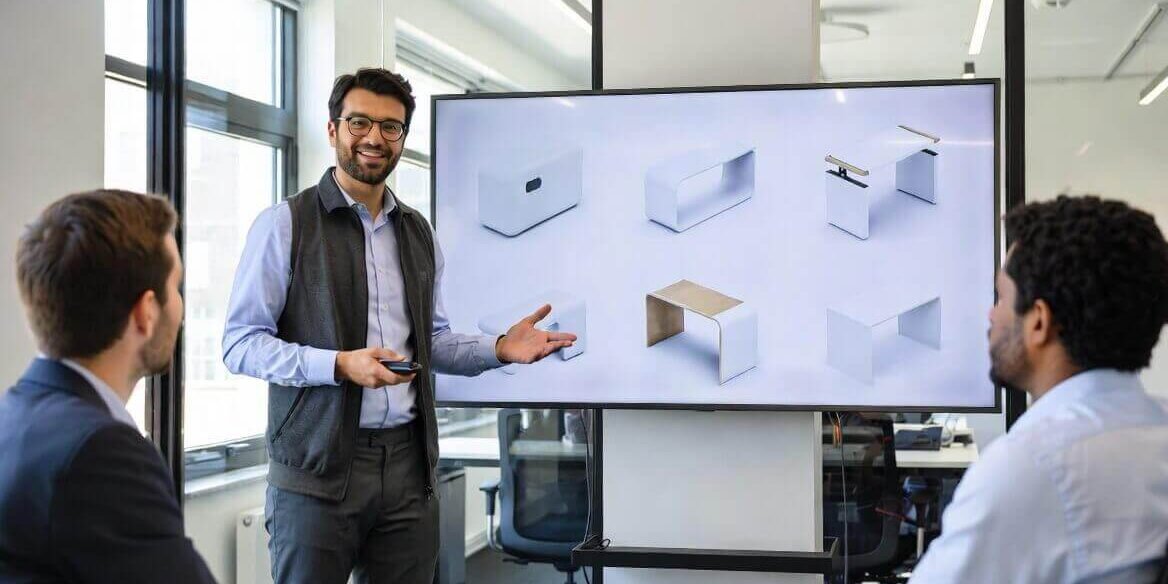
Product managers at adult toy brands often face a familiar limit: the internal team is too small to advance multiple concepts at once, yet new SKUs still need to reach the market before competitors fill the gap.
Expanding headcount is slow, and fully outsourcing can reduce control. This article looks at a practical middle path—working with an external R&D manufacturer to extend existing product capacity without adding permanent staff. It covers when the approach makes sense, how to divide work, a typical 90-day timeline, and the checkpoints needed to keep risk low.
The Growing Demand for Innovative Adult Toys
The Expanding Adult Toy Market
Market size, growth trends, and projections: The global adult toy market continues to expand at a strong pace. Industry projections show it will surpass $50 billion by 2030. Growth remains steady across both online and offline channels, driven by increasing product innovation and wider distribution.
Key demographics driving the boom: Younger consumers, especially Millennials and Gen Z, now make up the largest buyer group. These demographics show higher openness to sexual wellness products and prefer brands that feel modern and inclusive. Women have also become a significantly larger segment of the market in recent years.
Shift toward inclusive design in the adult toy space: More brands now design products for diverse bodies, genders, and abilities. This shift creates new development challenges but also opens opportunities for differentiation. Teams that can quickly explore and validate inclusive concepts gain an advantage.
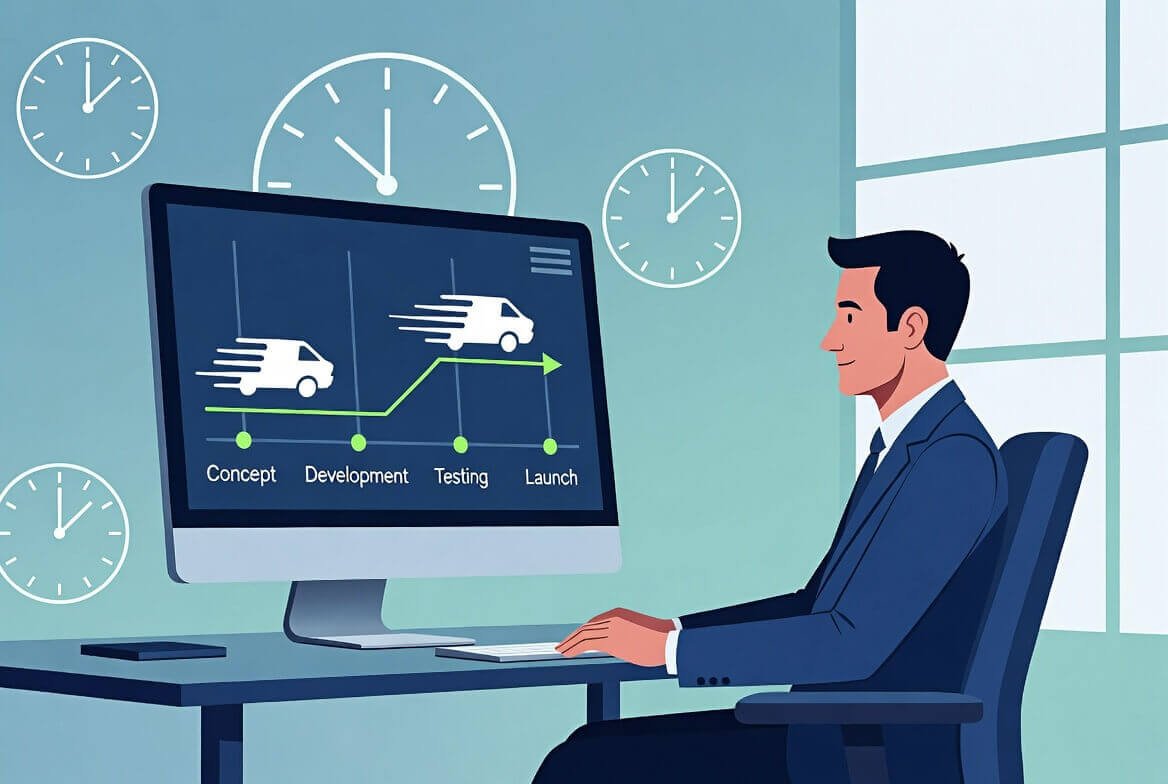
Why Speed Matters in Product Development
Competitive advantages of faster time-to-market :Brands that launch products faster often capture more attention and sales. Speed allows companies to respond to trends, test more ideas, and stay ahead of competitors in a crowded market.
The challenges of in-house R&D in a fast-paced industry :Many internal teams struggle with limited headcount and competing priorities. Long approval processes and resource constraints make it difficult to move ideas forward quickly. Product managers often find that internal capacity cannot match the volume of concepts they want to develop.
The Role of External R&D in Adult Toy Innovation
An external R&D manufacturer is most useful when the internal team already has a clear product direction but lacks the bandwidth or specialized skills to execute quickly. Common situations include:
- One or two people are responsible for the full product pipeline and cannot run parallel concepts.
- The brand needs to validate multiple design directions before committing to a mold.
- Specific technical needs (material testing, complex geometry, or connected features) fall outside current internal expertise.
- Leadership wants faster iteration but does not want to increase fixed headcount.
It is less suitable when the brand has no clear target user or product brief, or when the internal team wants to retain every design decision without structured reviews. In those cases, external support tends to create more coordination cost than speed.
Decision checklist for product managers
- Do we have a defined user problem and rough product direction?
- Can we assign one internal owner to review samples and make decisions?
- Are we willing to work in stages (concept → prototype → refinement) rather than demanding a finished design upfront?
- Is the goal to test and select a direction, or to fully develop a production-ready product in one step?
If most answers are yes, working with an external R&D manufacturer can reduce the time between idea and validated sample.
Key Considerations When Outsourcing Adult Toy R&D
How to Choose an R&D Partner
When evaluating an external R&D partner, prioritize hands-on experience with adult products over general certifications. Confirm the following:
- Whether they have completed similar material or structural projects and can provide verifiable samples or case references.
- Whether they can explain a realistic timeline from concept to prototype and how internal review points are set.
- Whether they clearly define which decisions require brand approval and which can be advanced by the external team.
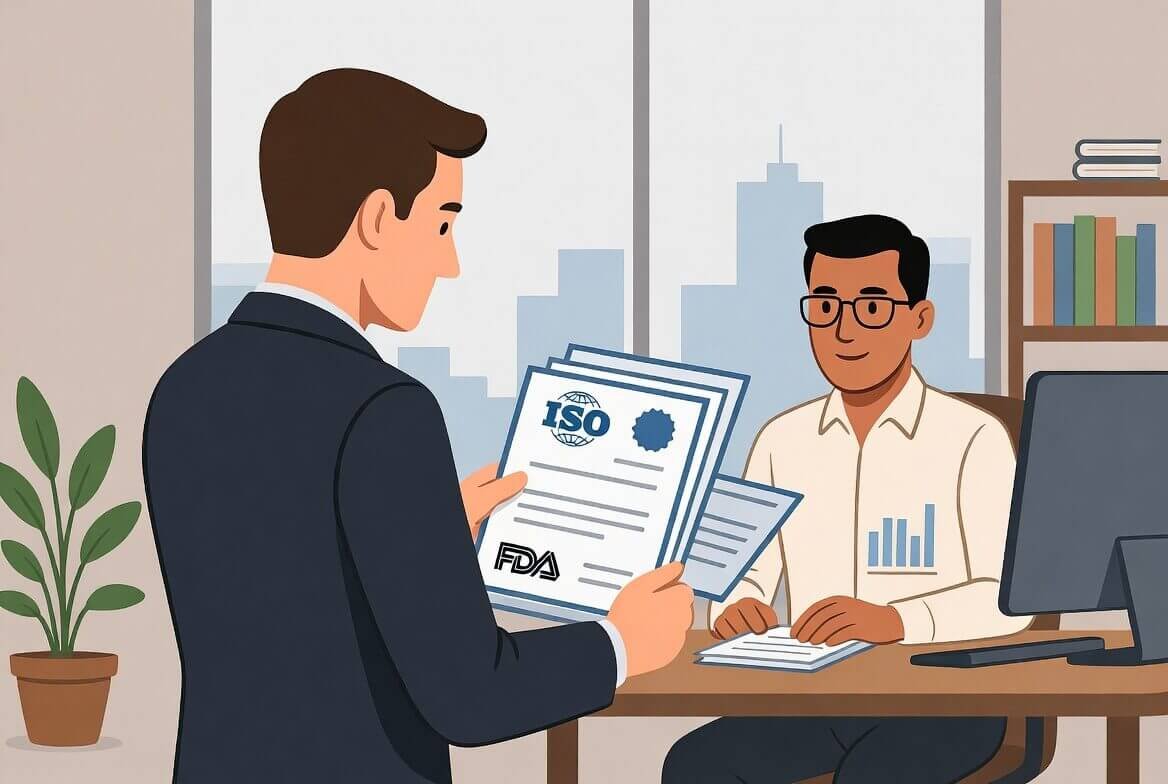
ISO, FDA, and related certifications can serve as basic filters, but the more important factor is whether the partner understands material safety and actual use conditions for adult products.
How NDAs Protect Your Intellectual Property
An NDA should be in place before any detailed design work begins. The agreement needs to clarify two points:
- Ownership of new design outputs belongs to the brand.
- The scope of confidential information (including sketches, user feedback, and internal test data).
Most disputes arise when ownership is discussed only after a promising sample exists. Defining ownership before work starts reduces later friction; subsequent changes can then be limited to necessary updates.
Cost-Effectiveness of Outsourcing
The main cost advantage of external collaboration is avoiding fixed design or engineering headcount for infrequent needs. In practice, the following approaches keep spending controlled:
- Start with a small concept-validation or single-prototype project to confirm working rhythm and output quality.
- Set clear deliverables and budget limits at each stage instead of quoting a full development cycle upfront.
- Keep the internal team focused on direction setting and stage reviews rather than day-to-day design execution.
This keeps expenditure tied to verified progress and avoids long-term fixed costs.
AI-Driven Co-Development for Adult Toys
Leveraging AI for Innovation
Current AI-related features in adult toys remain largely supportive—for example, adjusting modes based on usage feedback or generating structural variants during the design stage. An external partner can supply existing technical modules or integration experience. The brand still needs to decide whether these features actually match the target user rather than adding them for technical reasons alone.
For most brands, validating core structure and material experience first, then evaluating connected or smart features, reduces later rework.
Smart Customization with White-Label Platforms
White-label technology platforms can shorten development time for connected products, but only after the core product direction is clear. The external partner typically handles technical integration and basic customization. The brand still needs to confirm:
- Whether the functions match how the target user actually uses the product.
- Whether data and privacy terms are clear.
- Who is responsible for ongoing maintenance and updates.
If product positioning is not yet stable, complete validation of a basic version before evaluating a white-label platform.

Exploring Sustainable and Body-Safe Materials
The Push for Non-Toxic, Eco-Friendly Materials
Innovations in silicone, bioplastics, and recycled materials
New material options now give brands more sustainable choices without compromising safety or performance. External material specialists help identify and test these options efficiently.
Trends in antimicrobial materials for hygiene and safety
Antimicrobial technologies are becoming more common in intimate products. Partners with material science expertise can guide brands on the latest safe and effective solutions.
Collaborating with External Specialists in Material Science
How R&D labs pioneer new materials for intimate products
Specialized labs often lead the development of new body-safe and sustainable materials. Working with these experts gives brands access to innovations they might not discover internally.
Addressing environmental concerns of consumers
More buyers now consider sustainability when making purchase decisions. External partners can help brands develop products that meet both performance and environmental expectations.
Ensuring Compliance and Safety in Adult Toy Innovation
Meeting Global Safety Standards
FDA requirements, CE markings, and ISO certifications :Different markets require specific safety certifications. External R&D partners familiar with these standards help brands navigate requirements more efficiently and avoid compliance delays.
Case Study: A Quick and Safe Launch
One mid-sized adult toy brand needed to develop a new product line with limited internal resources. They worked with an external R&D partner that provided structured project stages and rapid prototyping support. The brand reviewed multiple concepts at clear checkpoints and completed development from initial brief to mass production in under six months while meeting all regulatory requirements.
Common Regulatory Pitfalls and How to Avoid Them
Examples of mistakes to watch for when outsourcing R&D :Common issues include selecting partners without strong compliance experience or skipping early material safety testing. These mistakes often cause expensive delays later in the process.
Best practices for ensuring regulatory success :Involve compliance experts early and maintain detailed documentation throughout development. Partners with established regulatory processes help brands stay on track and reduce risk.
The Future of Adult Toy Development
Key Trends to Watch
Increased use of IoT (Internet of Things) in smart toys :More products now connect to apps and collect usage data. This trend creates new opportunities but also requires technical expertise that many internal teams do not have.
Integration of AR/VR technologies: AR and VR are beginning to appear in adult products. These technologies add complexity to development and benefit from partners who already understand the technical requirements.
Mainstream acceptance driving faster innovation cycles: Greater social acceptance continues to push brands toward faster development timelines. Teams that can move quickly from concept to validated product gain a clear market advantage.

FAQ
A:Look for proven experience in adult toy development, strong knowledge of body-safe materials, and established testing capabilities. Partners who understand both design and manufacturing deliver better outcomes.
A:Use a clear NDA from the start and define ownership of new designs in the agreement. Work with partners who have experience protecting client IP in the adult product category.
A:Common mistakes include unclear project scopes, choosing partners based only on price, and skipping early compliance reviews. These issues often lead to delays and quality problems.
A:Reputable labs follow established protocols for cytotoxicity, sensitization, and chemical composition. They work with certified testing facilities and provide proper documentation for regulatory submissions.
A:Choose external R&D when your internal team lacks bandwidth, specific technical skills, or access to specialized equipment. It also makes sense when you want to test multiple concepts quickly without expanding headcount.
Ready to extend your product development team?
If you manage new product projects for an adult toy brand and want faster, lower-risk development, explore how structured external R&D support works.