
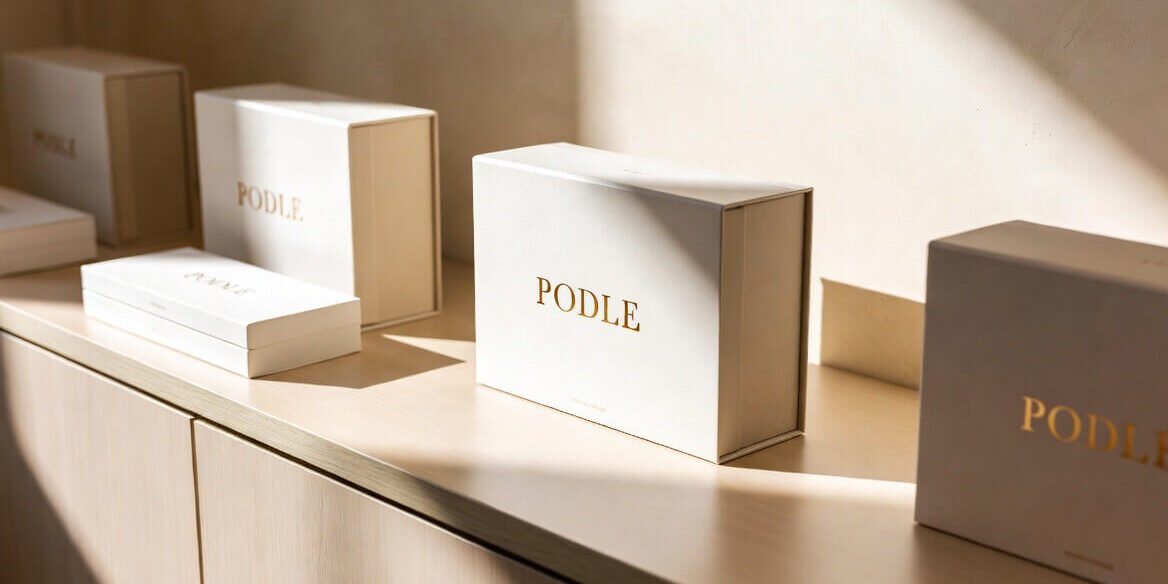
Starting a private label sex toy brand has become an attractive opportunity for entrepreneurs, ecommerce sellers, and emerging brands looking to enter the adult wellness market. Compared with developing completely new products from scratch, private labeling allows businesses to launch faster by using proven product designs while adding their own brand identity through packaging, logos, colors, and product selections.
For many new brands, the biggest challenge is not simply finding products to sell. It is choosing the right product range, creating a professional brand image, finding a reliable manufacturing partner, and developing a clear path for long-term growth.
Understanding the Sex Toy Market

Why Consider Selling Sex Toys
The adult toy industry continues to attract entrepreneurs because consumer demand is expanding beyond traditional categories. Many customers now view intimate products as part of personal wellness, relationships, and self-care.
For new businesses, private labeling provides a practical way to enter the market with lower risks. Instead of investing heavily in product development, manufacturing equipment, or complex supply chains, brands can work with experienced suppliers and customize important elements such as:
Retail presentation
Brand logo
Product packaging
Product colors
Product combinations
Many startups begin with a focused product collection rather than launching hundreds of products at once. Selecting a small number of products that match a specific customer group helps brands control inventory, marketing costs, and product positioning.
For example, a beginner-focused brand may choose easy-to-use products, while a premium wellness brand may focus on higher-quality materials, exclusive designs, and upgraded packaging.
Shifting Social Attitudes and Innovation
Consumer attitudes toward intimate wellness products have changed significantly in recent years. Adult products are increasingly presented through the perspectives of design, safety, quality, and user experience.
This shift creates opportunities for brands that focus on:
- Better product design
- Safer materials
- Professional packaging
- Inclusive positioning
- Customer education
Innovation is also influencing product development. Manufacturers are creating products with improved textures, ergonomic structures, smart features, and more personalized experiences.
For private label buyers, differentiation is becoming increasingly important. Selling identical products as competitors can lead to price competition, while better branding and product selection can create stronger customer recognition.
Broad and Diverse Customer Base
One advantage of the adult toy market is its diverse customer base. Different consumer groups have different preferences, budgets, and buying motivations.
A new brand may focus on:
- Beginner-friendly products
- Premium wellness collections
- Couples products
- LGBTQ+ focused collections
- Luxury silicone products
- Specialty niche categories
Before selecting products, businesses should clearly understand their target customers:
- Who are they?
- What products match their needs?
- What makes the brand different?
A clear market position helps brands build stronger product collections and avoid competing only on price.
Challenges in the Sex Toy Industry
Navigating Legal and Compliance Issues
Launching an adult product business requires careful attention to compliance, product safety, and market regulations.
Brands need to consider:
- Product material safety
- Manufacturing quality control
- Labeling requirements
- Import regulations
- Regional compliance standards
Working with an experienced adult toy manufacturer can help brands reduce risks by ensuring products are produced with appropriate materials and consistent quality standards.
For intimate products, material selection is especially important. Many established brands choose tested materials because safety and customer trust directly influence repeat purchases.

Payment Processor and Advertising Restrictions
Compared with many ecommerce categories, adult products often face additional challenges in payment processing and advertising.
Many traditional advertising platforms have restrictions on adult-related products, making it difficult for brands to rely only on paid traffic.
Successful brands often build multiple marketing channels, including:
- SEO content marketing
- Email campaigns
- Influencer partnerships
- Educational resources
- Community-based marketing
Organic search visibility is especially valuable because it allows brands to attract customers without depending entirely on advertising platforms.
Visibility and Marketplace Policy Risks
Online marketplaces can provide access to large customer groups, but adult brands must understand platform policies before investing heavily.
Common challenges include:
- Product listing restrictions
- Advertising limitations
- Image requirements
- Category limitations
Because of these challenges, many growing brands choose to build their own ecommerce websites. This provides better control over:
- Brand presentation
- Customer relationships
- Product education
- Long-term marketing strategy
Building an independent brand also makes it easier to create a unique identity instead of competing only through marketplace pricing.
Steps to Launch Your Private Label Sex Toy Brand
Identifying Your Niche and Market Research
Before choosing products, new brands should first define their target market and understand customer expectations.
Many beginners make the mistake of selecting products based only on what is popular. However, successful brands usually start with a clear customer profile and a focused product strategy.
Market research should include:
- Target customer groups
- Competitor analysis
- Product positioning
- Price range
- Customer needs and preferences
For example, a startup targeting first-time buyers may focus on simple, approachable products with clear education. A premium brand may choose higher-end materials, unique designs, and luxury packaging.
Before creating a product collection, ask:
- Who is the ideal customer?
- What makes the product different?
- Why would customers choose this brand over competitors?
A focused strategy helps brands avoid building a product catalog that lacks direction.

Developing a Business Plan
A clear business plan helps reduce unnecessary costs and creates a roadmap for sustainable growth.
Important areas include:
Product Strategy
New brands should carefully decide:
- Which products to launch first
- How many SKUs to include
- Which price segment to target
- How products fit together as a collection
Instead of launching too many products immediately, many successful startups begin with a smaller selection, collect customer feedback, and expand based on market response.
A well-planned adult toy product line should include products that support different customer needs while maintaining a consistent brand identity.
For example:
Entry-level collection
- Beginner-friendly products
- Affordable price positioning
- Simple product features
Growth collection
- More product variety
- Improved designs
- Different customer preferences
Premium collection
- Advanced materials
- Exclusive designs
- Higher perceived value
Budget Planning
Understanding startup costs is essential before placing the first order.
Common expenses include:
- Product samples
- Inventory
- Packaging design
- Website development
- Marketing investment
- Shipping costs
One effective way for new brands to reduce risk is starting with existing products and adding customization instead of immediately developing completely new designs.
Flexible order quantities can also help businesses test demand before making larger investments.
For many startups, choosing a supplier that supports low MOQ adult toys allows them to validate products, collect customer feedback, and adjust their strategy before scaling.
Growth Strategy
A successful brand should not only focus on the first order. It should have a clear path from market testing to long-term differentiation.
A practical growth model usually includes three stages:
Stage 1: Private Label Launch
The goal at this stage is to enter the market quickly with lower risk.
Brands can start with existing products and customize:
- Logo
- Packaging
- Product colors
- Product combinations
This allows businesses to build a professional brand appearance without the cost and complexity of developing completely new products.
Stage 2: Brand Expansion
After identifying successful products, brands can improve differentiation through:
- New product collections
- Better packaging experiences
- Additional product variations
- Improved customer positioning
At this stage, businesses can expand their catalog based on actual market feedback instead of assumptions.
Stage 3: Product Development
As the brand grows, businesses can move toward deeper customization:
- Custom designs
- Exclusive molds
- Unique product concepts
This transition helps brands move beyond selling standard products and create stronger market advantages.
Sourcing Your Products
Choosing the right supplier is one of the most important decisions when building an adult product brand.
A suitable manufacturing partner should provide more than finished products. New brands often need guidance throughout the launch process, from product selection to packaging preparation.
Important supplier capabilities include:
- Stable production quality
- Flexible MOQ options
- Product customization
- Packaging support
- Sample development
- Quality inspection
- Clear communication
Many private label buyers are not simply looking for a factory that can manufacture products. They need a partner who understands:
- Which products are suitable for their target market
- How to build an initial product collection
- How to reduce launch risks
- How to upgrade products in the future
For startups and growing brands, our Private Label Buyers service provides support with product selection, private labeling, packaging customization, and scalable manufacturing solutions.
A professional supplier helps brands avoid common problems such as:
- Choosing products without market positioning
- Ordering too much inventory too early
- Creating packaging that does not match the target audience
- Missing opportunities for future product development
Building Your Brand Identity
Private labeling is not simply adding a logo to an existing product. A strong brand requires a consistent identity that customers can recognize and trust.
Important brand elements include:
- Brand name
- Visual style
- Packaging design
- Product photography
- Brand messaging
- Customer experience

Packaging plays a particularly important role in adult products because customers often evaluate quality and professionalism before purchasing.
Professional custom packaging can help brands create:
- A stronger first impression
- Better shelf presence
- Higher perceived value
- More consistent brand recognition
Brands should consider:
- Packaging colors
- Information layout
- Product presentation
- Privacy requirements
- Sustainable packaging options
A consistent brand identity helps businesses compete through value instead of relying only on lower prices.
Setting Up Your Online Store
A professional ecommerce website is the foundation for many modern adult product brands.
Unlike marketplace sellers, independent brands have more control over:
- Product presentation
- Customer education
- Brand storytelling
- Customer relationships
A successful online store should include:
Clear Product Pages
Product pages should clearly explain:
- Product features
- Materials
- Benefits
- Safety information
- Care instructions
Because adult products require a higher level of customer trust, detailed and professional product information can reduce hesitation and improve purchase confidence.
Trust Building Elements
Important trust factors include:
- Secure payment options
- Privacy protection
- Transparent policies
- Customer support
- Professional website design
SEO Strategy
Because adult products often face advertising limitations, organic search can become an important long-term acquisition channel.
Brands can attract potential customers through content related to:
- Product education
- Buying guides
- Sexual wellness topics
- Industry trends
A strong SEO strategy helps brands build consistent traffic without relying entirely on paid advertising.
Implementing Effective Marketing Strategies
Marketing adult products requires a different approach from many mainstream ecommerce categories.
Because advertising restrictions are common, brands need to build multiple traffic sources.
SEO Content Marketing
SEO helps brands reach customers who are actively searching for information.
Effective content strategies include:
- Educational articles
- Product comparison guides
- Buying resources
- Brand stories
- Industry insights
The most effective content focuses on answering customer questions and building trust rather than only promoting products.
Social Media Marketing
Social media can help brands communicate their identity and build relationships with potential customers.
Effective approaches include:
- Lifestyle-focused content
- Educational posts
- Product storytelling
- Community engagement
The goal is to create brand awareness while providing useful content that encourages audience connection.
Email Marketing
Email marketing helps brands maintain long-term customer relationships after the first purchase.
Common campaigns include:
- New product launches
- Educational content
- Product recommendations
- Customer retention campaigns
Building customer relationships over time can increase repeat purchases and improve overall brand value.
Ensuring Customer Privacy and Support
Privacy is one of the most important concerns in the adult product industry.
Brands should provide:
- Discreet packaging
- Secure purchasing processes
- Professional communication
- Reliable customer support
A positive customer experience can influence:
- Customer reviews
- Repeat purchases
- Brand reputation
For growing brands, customer support is not only about solving problems. It is also an important part of building trust and creating long-term customer relationships.
Compliance and Certifications
Important Certifications for Sex Toys
Compliance should be considered before products enter the market.
Brands should work with suppliers that understand:
- Material requirements
- Product testing
- Quality control processes
- Regional regulations
A professional supplier should maintain consistent standards between samples and mass production.
For new brands, compliance is not only about meeting requirements. It also helps create customer confidence and protect brand reputation.
Body-Safe Materials and Compliance
Material quality directly affects product safety and customer satisfaction.
Many established brands prioritize body-safe materials because consumers increasingly care about product safety and durability.
Common materials include:
- Medical-grade silicone
- Platinum silicone
- Body-safe TPE
- Stainless steel
High-quality silicone is widely used because it is:
- Non-porous
- Durable
- Easy to clean
Choosing the right materials helps brands create products that meet customer expectations and support long-term reputation.
Embracing New Technologies

AI-Assisted Product Differentiation
Technology is changing how adult brands understand customers and develop products. For private label businesses, AI can support better decision-making by helping analyze market trends, customer feedback, and purchasing behavior.
Instead of selecting products based only on general market popularity, brands can use data insights to identify customer preferences, discover underserved niches, and improve product positioning.
For example, AI-assisted research can help brands understand which product features, designs, packaging styles, or customer segments have stronger potential. These insights allow businesses to build more targeted product collections and avoid competing only on price.
However, technology is only one part of differentiation. Successful brands still need reliable manufacturing, consistent quality, and a clear brand strategy to turn market insights into competitive products.
Discreet DTC Subscription Bundles
As more brands build direct-to-consumer channels, subscription-based models are becoming an interesting approach for improving customer retention.
Instead of relying only on one-time purchases, brands can create curated product experiences through themed collections, beginner bundles, or premium wellness packages.
For adult product businesses, successful subscription models depend on understanding customer preferences and delivering consistent value. Factors such as discreet packaging, product quality, and personalized selections are especially important because privacy and trust strongly influence purchasing decisions.
For growing DTC brands, subscription bundles can create stronger customer relationships while providing opportunities for repeat sales and long-term brand development.
Sustainability in Sex Toy Manufacturing
Eco-friendly Materials and Packaging
Sustainability is becoming an increasingly important consideration for modern consumers, and adult brands are also exploring ways to improve their environmental practices.
For private label businesses, packaging is one of the easiest areas to improve. Reducing unnecessary materials, using recyclable packaging, and creating cleaner package designs can help brands lower environmental impact while improving product presentation.
Sustainable packaging can also support brand positioning, especially for businesses targeting customers who value responsible consumption and premium product experiences.
Reducing Carbon Footprint
Beyond packaging, brands are also paying more attention to production and supply chain efficiency.
Reducing carbon footprint can involve smarter production planning, optimized packaging sizes, reduced material waste, and more efficient shipping strategies.
For growing brands, sustainability should be viewed as part of long-term business development rather than a temporary marketing trend. Working with experienced manufacturing partners can help businesses balance environmental goals with product quality, cost control, and reliable delivery.
FAQ
A:Start by choosing your target market, selecting suitable products, finding a reliable supplier, and customizing your brand elements such as packaging and logo.
A:Requirements vary by market, but brands should focus on material safety, product testing, and reliable manufacturing standards.
A:Costs depend on product selection, MOQ, packaging, customization level, and order quantity.
A:You can find manufacturers through industry research, trade platforms, or direct supplier communication. A reliable private label sex toy manufacturer should provide quality products, customization support, and flexible production options.
A:Brands can use SEO, educational content, email marketing, and community building to attract customers while managing advertising restrictions.