
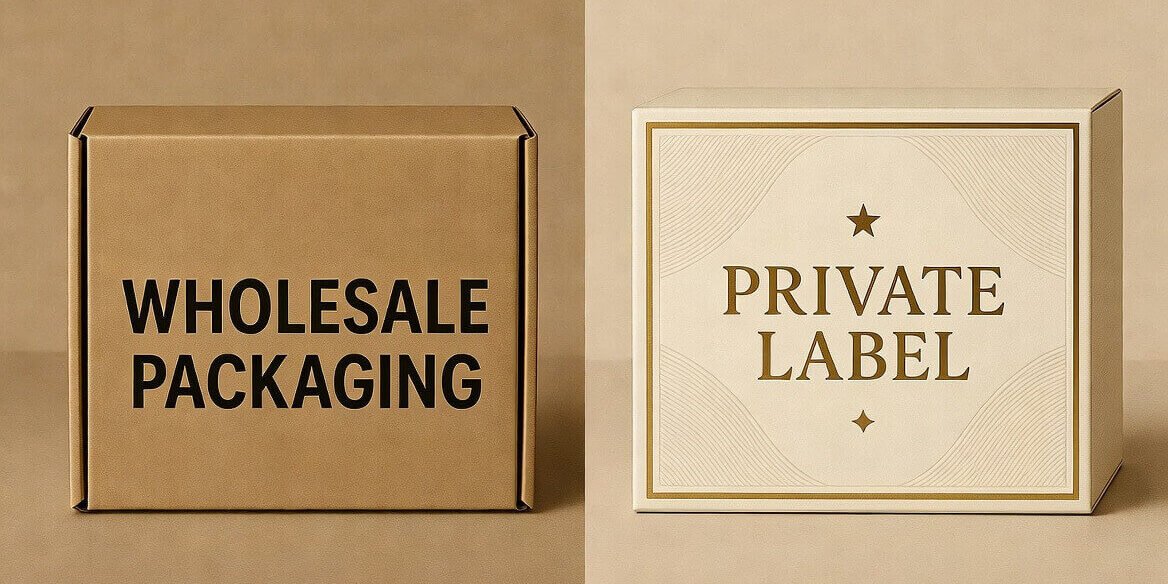
For boutique owners and chain-store buyers, the right product assortment mix directly determines whether a store merely survives or builds sustainable profitability and a distinctive identity.
A strategic blend of wholesale staples and private label exclusives lets retailers maintain breadth while escaping direct price competition and margin erosion. This approach also addresses core operational realities: the need for stable replenishment, packaging suitable for retail display, and the ability to test differentiation without excessive inventory risk.
Understanding the Adult Toy Retail Landscape
The Growth of Adult Toy Boutiques
The adult toy market continues robust expansion, with global values projected in the $40–50+ billion range and sustained high-single-digit CAGR through the decade. Growth is increasingly driven by adult consumers—particularly women—who treat pleasure products as standard wellness and self-care tools rather than niche novelties. Social acceptance, educational content, and improved product quality have normalized purchases across broader demographics.(The data above is sourced from here→.)
Boutiques and smaller chain formats occupy a valuable middle ground. They provide curated selection, staff who can answer questions knowledgeably, and an environment where customers can evaluate items comfortably before buying. This tactile and educational experience remains difficult for pure e-commerce or big-box formats to replicate fully. Urban boutiques often emphasize premium tech and inclusive sizing, while suburban or regional stores may focus on approachable entry-level and couple-oriented selections. Chains that scale boutique aesthetics across locations gain consistency without losing local relevance.
Edge considerations include cultural and regulatory differences across regions and the ongoing influence of social commerce on discovery. Retailers who treat the category purely as commodity risk being undercut; those who position around experience and education capture higher loyalty and repeat visits.

Catering to Diverse Customer Needs
Successful assortments reflect the broad spectrum of buyers: first-timers needing gentle introductions, experienced users seeking advanced features like app control or specific stimulation types, couples exploring together, and LGBTQ+ customers wanting inclusive designs across sizes, shapes, and functions.
Boutiques excel here by stocking body-safe materials prominently, offering different girth/length options, and educating on use and care. Consumer contact points matter—clear signage, trial policies where feasible, and staff trained in non-judgmental support directly influence purchase decisions and repeat visits.
Implications for retailers: ignoring diversity risks alienating growing segments; over-focusing on one niche limits volume. Stable supply chains become critical when popular items sell through quickly across demographics.
Crafting the Perfect Product Assortment: Mixing Wholesale and Private Label
Advantages of Wholesale Products in Boutiques
Wholesale adult toys for stores provide immediate access to proven performers without upfront design or tooling costs. Retailers can quickly fill shelves with variety across categories—vibrators, dildos, anal toys, accessories—while testing customer response with minimal commitment. Reliable suppliers offer consistent quality, fast replenishment, and often display-ready packaging that suits retail environments.
This approach reduces inventory risk for slower movers and frees capital for other areas like marketing or staff training. However, heavy reliance on wholesale alone exposes boutiques to margin compression from public brand competition and limits the ability to create a unique in-store identity.
Benefits of Private Label Products for Branding and Margins
Private label adult toys for retailers deliver significantly higher gross margins, often 15–30 percentage points above wholesale equivalents, because you control branding and pricing. More importantly, they enable true differentiation: exclusive SKUs, custom packaging that reinforces your store’s aesthetic and values, and the opportunity to build customer loyalty around your own name rather than generic or competitor-stocked items.
For boutique owners concerned with profit compression and public product homogenization, private label offers a direct path to owning the customer relationship and telling a cohesive brand story—whether wellness-focused, inclusive, or premium experience-oriented. Small-batch starts allow testing without overcommitting capital or storage space.
Balancing Wholesale and Private Label: Strategic Approaches
The most resilient assortments use a hybrid model. Many successful boutiques allocate 60–70% to wholesale for breadth, reliable restocking, and lower-risk trend testing, while dedicating 30–40% to private label hero products that drive higher margins and exclusivity.
Chains can leverage volume for better private label pricing and consistent rollout across stores. Independents often begin with one or two signature items—perhaps a versatile dildo line or wellness bundle—sourced in small quantities to gauge local demand before scaling.
Key considerations include aligning private label choices with your strongest customer segments, ensuring wholesale partners can support display-friendly packaging, and using sales data to identify which items warrant privatization for margin protection. This balance directly tackles the need for stable supply alongside differentiation.
Retailers looking to develop their own brand sex toys and explore flexible private label options tailored to boutique and chain needs can find specialized guidance and partnership opportunities on our dedicated Retailers & Chain Stores page.

AI and Technology in Inventory Optimization
Leveraging AI for Efficient Inventory Management
AI-powered inventory tools help retailers balance stock availability and cash flow by analyzing sales data, seasonal trends, and SKU performance. This allows more accurate demand forecasting than traditional spreadsheets.
For space-constrained boutiques, AI helps reduce dead stock and improve turnover on fast-moving products such as vibrators and dildos. Multi-location retailers can use these insights to adjust inventory based on regional buying patterns.
Solutions range from inventory software integrated with POS systems to advanced AI platforms that automate demand forecasting and replenishment. However, AI still requires accurate data and human judgment to respond to emerging trends, seasonal demand changes, and unexpected sales opportunities.
Private Label Essentials: What You Can Customize
Customizing Packaging for Brand Differentiation
One of the highest-ROI customizations is packaging. Custom packaging adult toys allows you to create shelf presence that feels premium and aligned with your brand—elegant boxes, informative inserts, and outer designs that convey quality and discretion rather than generic bulk.
For retail display, packaging must balance visual appeal with practicality: sturdy enough for handling, sized for standard shelving, and designed so the product story is clear without explicit imagery that might limit placement. Many boutiques now use packaging that doubles as giftable or wellness-oriented to enhance perceived value and encourage gifting or self-purchase comfort.
Creating Unique Hang Tags and Labels
Hang tags and labels offer another accessible differentiation layer. Custom designs can include your logo, care instructions, usage tips, material certifications, and even QR codes linking to educational content or your loyalty program. This transforms a standard product into a branded experience that reinforces trust and encourages customers to associate quality and thoughtfulness with your store.
Private Label Limitations: What You Can’t Customize
Legal Restrictions and Compliance in Labeling
While creative freedom exists in design, legal boundaries are firm. You cannot make unsubstantiated medical or therapeutic claims on packaging or marketing materials. Language must stay within pleasure, wellness, or intimacy enhancement categories, varying by jurisdiction—EU rules on materials and claims tend to be stricter than many US states. All products require proper age warnings, material disclosures, and compliance documentation such as CE, RoHS, or Prop 65 where applicable.
Failing here risks fines, platform delistings, or reputational damage. Retailers should always request full compliance files from manufacturers before committing to private label runs.
Understanding Manufacturing Boundaries
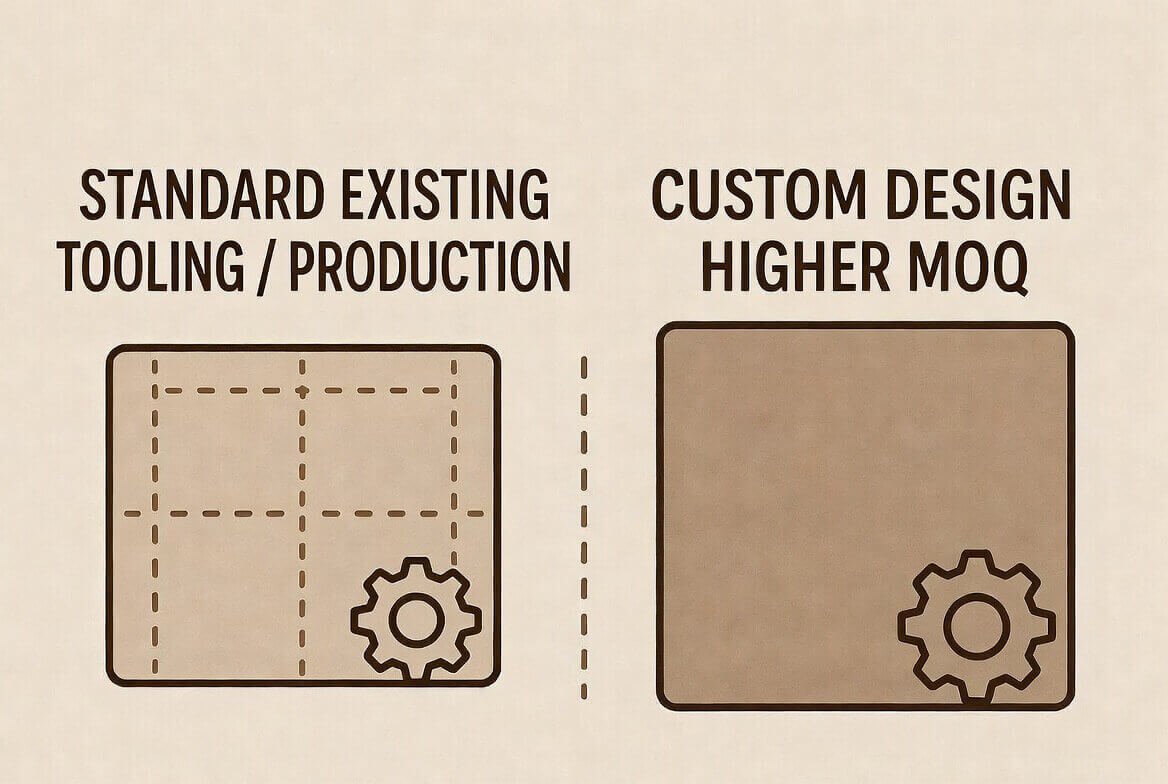
Not every element is customizable at low volumes. Core internal mechanisms, motor specifications, and many molded shapes rely on existing tooling to keep costs viable. Full custom molds typically demand higher MOQs and longer development timelines. Electronics features like advanced app integration may require established partners with engineering capacity.
For most boutique-scale operations, the practical focus remains on packaging, branding, color/finish variations, and bundle curation rather than reinventing the product architecture. Understanding these limits upfront prevents costly redesign cycles and helps set realistic timelines when launching own brand sex toys.
Key Wholesale Adult Toy Suppliers for 2026
Reliable and Trusted Wholesale Suppliers
In 2026, retailers have access to a mature supplier ecosystem. Domestic US options such as Honey’s Place and Eldorado provide extensive catalogs, quick shipping, and established relationships with many chain accounts. For private label and custom work, manufacturers and specialized exporters, particularly those based in manufacturing hubs like Dongguan, offer competitive pricing, body-safe material expertise, and increasing flexibility on MOQs.
Key evaluation criteria include verifiable certifications, consistent sample-to-production matching, willingness to support small initial runs for testing, and packaging options suitable for retail display. Platforms like Alibaba require careful supplier vetting, while direct factory partners often provide better communication and customization support.
Choosing the Right Wholesale Partner for Your Boutique
The ideal partner aligns with your scale and goals. Boutiques prioritizing quick domestic replenishment may favor US distributors, while those focused on margin expansion and exclusivity lean toward OEM-capable manufacturers who can deliver private label adult toys for retailers with custom packaging and stable supply chains.
Important factors: transparent pricing without hidden fees, reliable lead times (typically 15–30 days for standard, longer for custom), responsive communication for issue resolution, and data sharing for inventory planning. Retailers who treat supplier relationships as strategic partnerships rather than transactional see better long-term results in both product quality and margin protection.
Marketing Strategies for Adult Toy Boutiques
Creative Online Marketing Techniques
Effective digital marketing for boutiques combines SEO targeting local and wellness-related searches, educational content that positions products within broader self-care narratives, and email/SMS sequences that nurture past customers with care tips and new arrivals. Visual platforms like Pinterest and Instagram work well when imagery stays lifestyle-oriented and aesthetic rather than explicit.
Many boutiques successfully use short educational videos or quizzes that help customers self-select suitable items, reducing purchase hesitation. Offline integration—QR codes in-store linking to online exclusives or care guides—bridges channels effectively.
Navigating Advertising Restrictions
Major ad platforms maintain strict policies on adult content. Successful navigation involves wellness framing (“intimacy wellness,” “self-care tools”), use of approved imagery and copy, careful audience targeting to avoid broad or underage exposure, and diversification into organic channels, influencer collaborations with non-explicit creators, and community platforms. Some retailers shift more budget to email and loyalty programs where messaging control is higher.
Regional differences matter: what works in progressive urban markets may require adjustment elsewhere. Testing small campaigns and monitoring performance closely helps refine approaches without wasted spend.
Building Brand Loyalty Through Engagement
Loyalty in this category stems from trust and education more than discounts alone. Post-purchase follow-up with discreet care instructions, usage tips, and invitations to provide feedback builds emotional connection. In-store or virtual workshops on topics like communication in relationships or product care turn customers into advocates. Membership programs offering early access to new private label items or bundle discounts reward repeat business and increase lifetime value.
2026 Trends in Adult Toy Retail
Private Label Sensual Wellness Bundles
Sensual wellness bundles offer a strong private label opportunity by combining complementary products such as toys, lubricants, massage oils, and storage accessories into one branded package. This approach increases average order value while helping retailers create a more complete customer experience.
Private label control allows brands to customize product combinations, packaging, and pricing strategies, creating stronger differentiation and better margin opportunities than standard wholesale bundles.

Discreet Premium Packaging as a Brand Differentiator
Premium discreet packaging has become an important factor in adult wellness retail. Elegant, minimal designs with privacy-focused presentation help brands create a more premium shopping experience while reducing purchase hesitation.
For private label products, customized packaging also strengthens brand recognition and supports higher-value positioning. Sustainable materials can further appeal to environmentally conscious consumers.
Ensuring Customer Satisfaction and Trust
Discreet Packaging and Billing Practices
Discretion remains non-negotiable for customer retention. Outer shipping packaging must be plain and sturdy, with no external clues about contents. Billing descriptors should appear neutral—generic wellness or supply company names rather than explicit terms—to protect customer privacy on statements or shared cards.
Boutiques that excel here see higher repeat rates and fewer chargebacks or negative reviews stemming from delivery surprises. This practice directly supports the consumer purchase experience focus many retailers prioritize.
Handling Returns and Customer Support Effectively
Clear, customer-friendly return policies—typically 14–30 days for unopened items, with clear communication on hygiene considerations—build confidence. Staff training in empathetic, non-judgmental responses to questions about fit, function, or concerns is essential. Quick resolution of issues, whether through exchanges, store credit, or discreet return shipping options, turns potential negatives into loyalty opportunities.
For chains, centralized support with local store empowerment works well. Boutiques often leverage personal relationships to handle sensitive cases more gracefully than large impersonal operations.
FAQ
A:Boutiques usually evaluate suppliers based on product quality, profit margins, MOQ flexibility, production consistency, packaging options, and supply reliability. Many also prefer manufacturers that can support private label, custom packaging, and future product expansion.
A:Yes. Private label products can offer higher margins by giving brands control over pricing, packaging, and product positioning. Success depends on choosing the right products, testing demand with smaller batches, maintaining quality standards, and building a strong brand presentation.
A:Private label helps businesses create unique products, reduce price competition, improve margins, and build stronger customer loyalty. Brands can customize products, packaging, and collections to match their target market instead of competing with identical wholesale items.
A:Margins vary depending on product mix and positioning. Wholesale products often provide moderate margins, while private label products usually offer greater profit potential through better pricing control and brand value. Effective inventory management and product selection are key to improving profitability.
A:Popular private label opportunities include silicone dildos, vibrators, wellness bundles, couple-focused products, and other products with strong design appeal. Brands often achieve better results by starting with small test orders, collecting customer feedback, and expanding successful product lines.