
Introduction
In today’s pleasure industry, many creators, entrepreneurs, and brands are moving beyond generic, one-size-fits-all products. They are building lines specifically for LGBTQ+ communities, kink and fetish niches, body-diverse users, and other underserved groups. These custom LGBTQ adult products require far more than standard manufacturing — they demand genuine understanding of specific user groups, respect for lived experiences, and a willingness to develop truly non-standard designs.
Traditional factories often struggle here. They may simplify requirements, resist small-batch work, or treat niche requests as too complicated or low-priority. The result? Products that fail to resonate, damage community trust, or expose brands to backlash. This guide explores the real challenges of sourcing the right manufacturing partner and offers practical steps for brands committed to “Products for specific needs, not generic markets.”
Understanding the Unique Needs of the LGBTQ Adult Product Market
The LGBTQ adult product space is not a single monolith. It encompasses transgender and non-binary users seeking affirming shapes and functionalities, lesbian and queer communities desiring non-phallic or strap-on-optimized designs, kink and fetish practitioners needing specialized textures, firmness levels, or mechanisms, and body-inclusive creators serving users of varying sizes, abilities, and sensory preferences.
Nuances and edge cases matter deeply here. A design that works for one subgroup may feel alienating or unsafe to another. Intersectional considerations — race, disability, trauma-informed approaches, or cultural context — add further layers. Some products draw from therapist or professional insights to support sexual wellness or gender-affirming experiences. Others prioritize discretion, easy cleaning, or accessibility features (one-handed use, secure grips, or travel-friendly profiles).
Implications are significant. A well-executed product can affirm identities, expand pleasure equity, and create loyal communities that advocate fiercely for the brand. Conversely, a poorly designed or insensitive product can trigger community backlash, harm mental health and representation, and permanently damage a brand’s reputation in tight-knit spaces. This is why many creators and small brands prioritize manufacturers who treat every micro-need with seriousness rather than forcing standardization.
Importance of Inclusive Manufacturing Practices
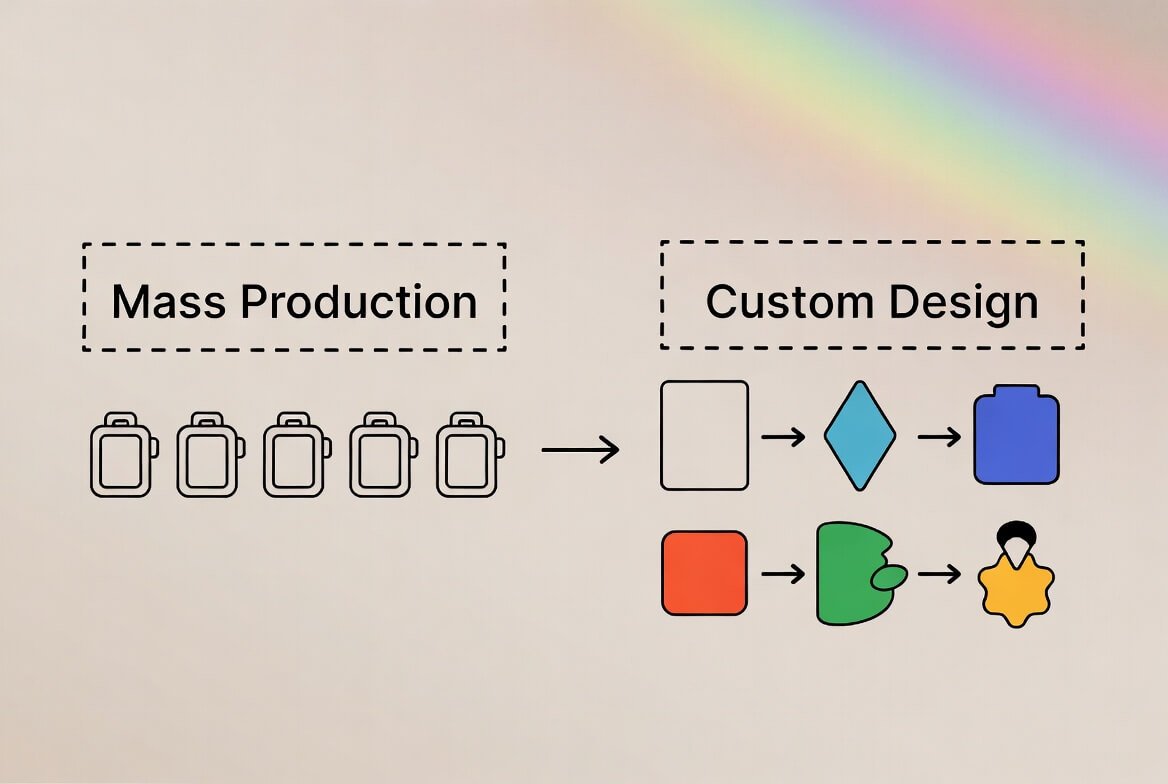
Inclusive manufacturing goes beyond producing body-safe items. It means partnering with factories that respect community values, maintain strict confidentiality, support iterative development based on real-user feedback, and view long-term collaboration as more valuable than one-off high-volume orders.
Such practices enable authentic co-creation, reduce financial risk for emerging brands through low-volume testing, and help ensure the final product genuinely serves its intended users. They also align with the ethical expectations of many LGBTQ+ entrepreneurs and their audiences — consent, respect, diversity, and accountability. Brands that find the right manufacturing partner often report stronger differentiation, higher customer loyalty, and more sustainable growth compared to those forced into generic production models.
Key Challenges in Sourcing Manufacturers
Managing Complex and Unique Orders
The Challenge:
Traditional factories frequently resist or simplify non-standard requests. They prefer existing molds, standard dimensions, and high-volume runs. For custom LGBTQ adult products, this creates major friction: requests for specific girths, unique structures, custom colors, specialized textures, or usage scenarios (e.g., harness-compatible shapes, particular firmness profiles, or features tailored to specific play styles) are often declined, altered, or deprioritized. Small orders receive little attention. When a product fails to meet community expectations, the backlash can be swift and damaging to both the brand and the broader perception of inclusive products.
How to Overcome It:
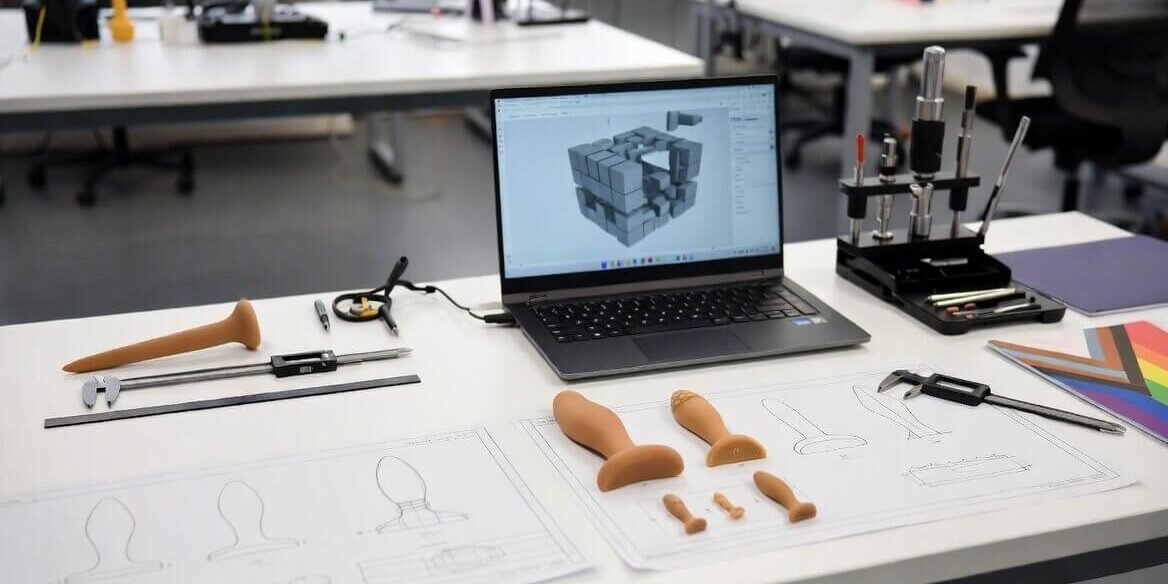
Seek specialized niche adult toy manufacturers and inclusive adult toys partners who explicitly embrace non-standard development and view community-specific requirements as opportunities rather than complications. Provide clear briefs, reference images, or rough concepts early. Leverage partners with in-house design teams who can refine ideas into manufacturable solutions without forcing simplification. Begin with small-batch prototyping and real-user testing, incorporating community feedback for refinements before scaling. This iterative approach protects brand reputation and ensures the product truly serves its audience.
Material Sourcing and Supply Chain Constraints
The Challenge:
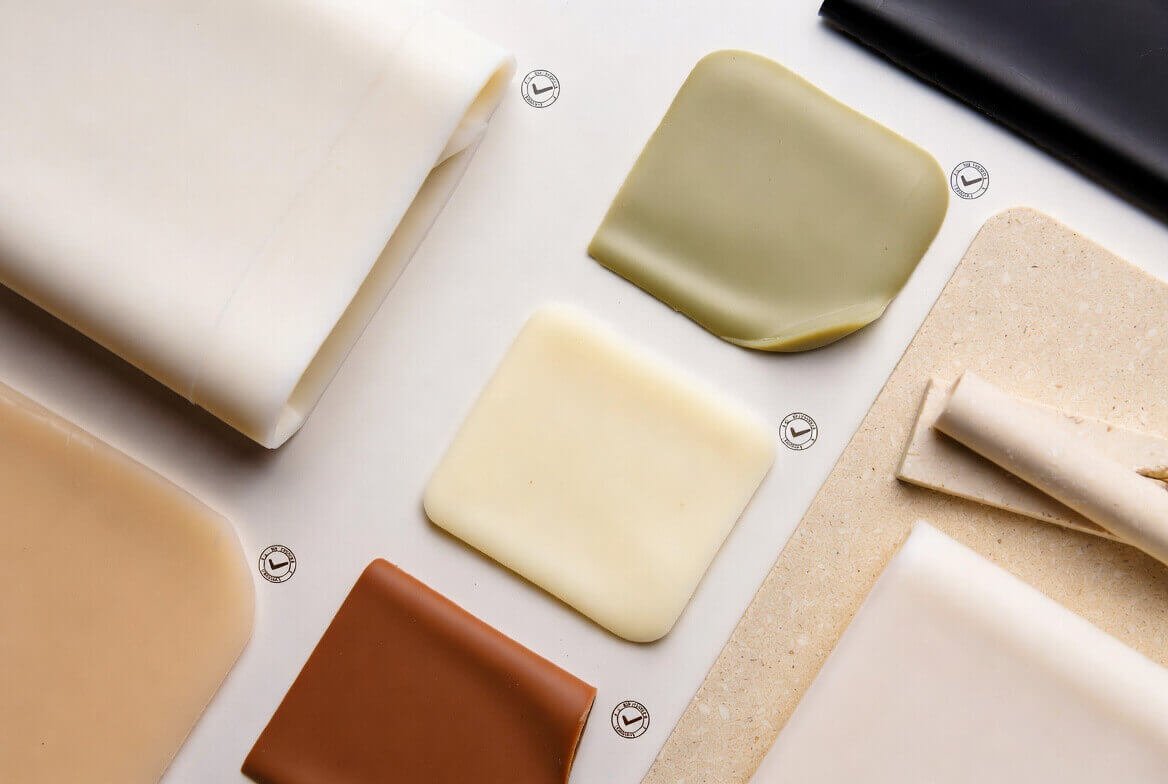
Sourcing truly body-safe, certified materials that also support custom properties (unique colors, specific durometers, advanced textures, or functional features) is difficult at low volumes. Some suppliers cut corners on safety or consistency when orders are small or highly customized. Delays in specialty compounds or inconsistent quality can derail timelines and erode trust.
How to Overcome It:
Partner with experienced body-safe silicone manufacturers who maintain full traceability, hold relevant certifications (REACH, RoHS, etc.), and are willing to develop or validate custom material formulations. Insist on sample validation against your exact specifications. Work with manufacturers who treat material performance and safety as non-negotiable, even for small test runs, and who can scale consistently once validation is complete.
Maintaining Cost Efficiency
The Challenge:
Custom designs, new tooling, and low production volumes naturally increase per-unit costs. For startup creators, OnlyFans/Fansly KOLs launching their first branded line, or ecommerce sellers testing differentiated products, high upfront investment creates significant financial risk and can limit experimentation.
How to Overcome It:
Choose flexible partners who offer low MOQ options specifically designed for testing and iteration. A phased approach — concept validation, small test batch, community feedback, then scaled production — dramatically reduces risk. Focus on the higher margins and stronger loyalty that well-executed niche products can command. The long-term value of a differentiated, community-trusted product often outweighs short-term per-unit cost differences.
Meeting Tight Deadlines and Customer Expectations
The Challenge:
Creators and brands often face compressed timelines driven by content schedules, collabs, seasonal moments (Pride, awareness campaigns), or trending platform demands. Traditional manufacturers with rigid processes and long lead times struggle to deliver the speed and agility required.
How to Overcome It:
Work with agile manufacturers who offer rapid prototyping (concept to sample in days rather than weeks) and flexible production scheduling. Clear milestone communication, dedicated project management, and a collaborative mindset are essential. Partners experienced in supporting creator and niche brand launches understand the pace of the market and build processes around it.
Adapting to Evolving Market Demands
The Challenge:
Community needs, language, aesthetics, and preferences evolve quickly. A product that feels relevant today may need refinement tomorrow based on user feedback. One-and-done mass production models leave no room for meaningful iteration, increasing the risk of launching something that quickly feels outdated or misaligned.
How to Overcome It:
Embrace an iterative, feedback-driven model with small-batch testing and built-in refinement loops. Manufacturers who treat community insights as valuable input — rather than obstacles — enable continuous improvement. This approach keeps products relevant, respectful, and competitive while building deeper brand loyalty over time.
Finding LGBTQ-Friendly Manufacturers
Defining LGBTQ-Friendly Manufacturer Criteria
A truly LGBTQ-friendly manufacturer (or more precisely, a niche adult toy manufacturer experienced with inclusive work) demonstrates several key traits:
Long-term partnership orientation: they ask about your target community/user group and show genuine interest in serving that niche sustainably rather than pushing high-volume generic orders.
Proven experience developing custom LGBTQ adult products and other non-standard designs for specific communities.
Willingness to support low MOQ, small-batch testing, and multiple rounds of iteration based on real-user and community feedback.
Strong commitment to privacy, NDAs, and IP protection from the very first conversation.
In-house design and engineering capability to handle complex or unusual requirements without simplification.
Ethical production standards, body-safe material expertise, and transparent quality processes.
Our factory is specifically structured to support all of the criteria above for brands developing custom products for specific communities. We combine in-house design expertise, flexible low-MOQ processes, rigorous privacy protections, and a genuine commitment to community-aligned iteration. To see detailed examples of how we work with niche and inclusive adult brands, visit our dedicated page.
Steps to Identify Suitable Candidates
Step 1: Define Product Requirements
Document your target user group, must-have features, desired materials, performance goals, and any sensitivities (aesthetic, cultural, functional, or safety-related). Clarify success metrics, such as specific user feedback you want to gather during testing. The clearer your brief, the better partners can assess fit.
Step 2: Research Potential Manufacturers
Search for partners explicitly positioned as niche adult toy manufacturers or specialists in inclusive adult toys and custom intimate product manufacturer work. Review their portfolios, case studies, and educational content for evidence of community-focused projects. Look for mentions of low-volume iteration, co-creation, and respect for specific user groups. Discreet referrals from other creators in similar spaces can also be valuable.
Step 3: Evaluate Manufacturer Capabilities
Ask targeted questions about past projects involving non-standard or community-specific designs. Inquire about MOQ flexibility, design support process, quality control, certifications, and how they handle feedback-driven changes. Request anonymized references or examples. Visit dedicated pages or resources from experienced partners (such as those focused on niche & inclusive adult brands) to understand their philosophy and capabilities.
Step 4: Request Samples & Compare Quality
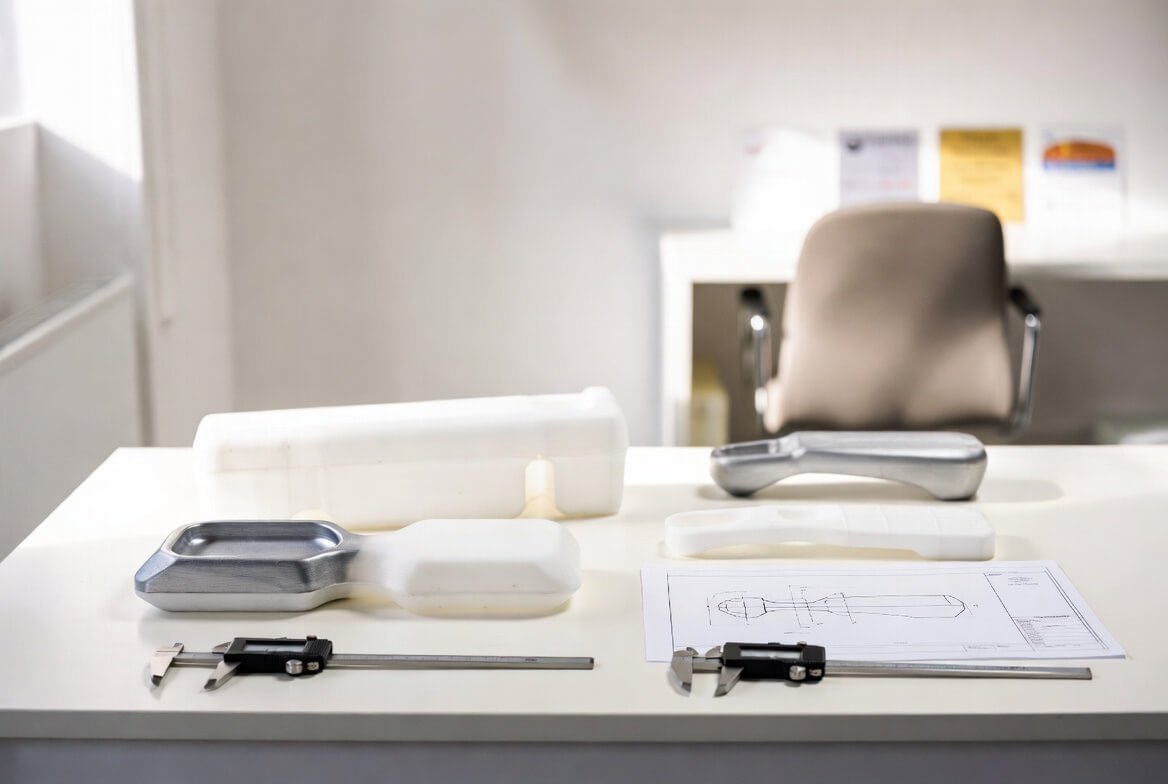
Order prototypes early. Rigorously compare them against your specifications for dimensions, materials, finish, safety, and user experience. Test with trusted members of your target community where appropriate and gather structured feedback. This step reveals whether a partner can deliver on nuanced requirements.
Step 5: Negotiate Terms & Build a Relationship
Begin with a mutual NDA. Negotiate clear IP ownership, pricing structures that support iteration, quality guarantees, and communication protocols. Look for partners who offer incentives for long-term collaboration and demonstrate genuine investment in your brand’s success within its specific community.
Protecting Intellectual Property
The Importance of IP in Product Design
Your designs, custom features, and brand-specific innovations are core assets — especially in niche spaces where differentiation drives loyalty. Unique custom LGBTQ adult products often represent significant creative and community-informed development. Unauthorized copying or leakage can undermine years of brand building, erode competitive advantage, and damage the trust you’ve cultivated with your audience.
Strategies for Protecting LGBTQ Product Designs
Start every conversation with a robust NDA that covers designs, concepts, business strategy, and any user or community feedback shared. Use secure, encrypted channels for sharing files. Consider phased disclosure — begin with high-level concepts and move to detailed specifications only after trust and agreements are in place.
Include clear contractual language on IP ownership and assignment. Work with manufacturers who limit internal access and maintain strong internal security practices. Where feasible, explore design patents or treat key innovations as trade secrets. Maintain your own detailed records of development timelines and decisions.
Ethical Sourcing and Manufacturer Standards
Understanding Ethical Production Practices
Ethical production encompasses fair labor conditions, safe working environments, living wages, responsible material sourcing, and environmental considerations. For brands operating in inclusive and community-focused spaces, alignment between your values and your manufacturer’s practices is crucial for long-term brand integrity. Cutting corners on ethics can create reputational risk if exposed, especially among audiences who expect accountability.
Countries and Regions with LGBTQ-Friendly Regulations
Countries with strong labor protections, anti-discrimination laws, and progressive social frameworks (such as much of the EU — e.g., Germany and the Netherlands — Canada, Australia, and certain U.S. states) often appeal for their ethical alignment and robust worker safeguards. However, actual manufacturing capacity and costs vary. Many high-quality, internationally certified body-safe silicone manufacturers and custom producers with extensive experience serving global inclusive brands operate in China, where numerous facilities meet strict export standards (REACH, RoHS, ISO, and social compliance audits like BSCI or SEDEX) and maintain discretion for sensitive projects. Taiwan also offers strong IP frameworks and quality manufacturing.
The most reliable approach is rigorous vetting of the specific manufacturer — through audits, references, sample quality, and transparent processes — rather than geography alone. Many successful inclusive adult toys and custom LGBTQ adult products brands source effectively from specialized partners who combine technical excellence with ethical commitments and export expertise.
Privacy and Security in Prototyping

NDA Agreements with Manufacturers
A comprehensive NDA is non-negotiable before sharing any concepts, drawings, or business details. It should clearly define what information is confidential, permitted uses, duration of obligations, and consequences for breach. Mutual NDAs can build trust when both parties are sharing sensitive information. Treat the NDA as the foundation of the relationship, not a formality.
Ensuring Privacy for New Product Developments
Beyond the NDA, choose partners who implement practical security measures: encrypted communication, limited project team access, secure file storage, and clear protocols for prototype handling (including restrictions on photography or external sharing without consent). Discuss data retention and destruction policies upfront.
For creators and niche brands, this protects launch timing, personal brand safety, and the confidentiality of community-informed innovations. Partners who treat privacy as a core value rather than an add-on are essential for sensitive custom LGBTQ adult products and other community-specific developments.
FAQ
A:Search for specialized niche adult toy manufacturers experienced with inclusive adult toys and non-standard custom work. Review portfolios for community-focused projects and ask early about low MOQ, iteration support, and privacy practices. Prioritize partners focused on long-term relationships with specific communities. Explore resources on niche & inclusive adult brands for examples.
A:Traditional factories often require hundreds or thousands of units. Specialized manufacturers focused on innovation and community-driven work typically offer flexible low MOQs — sometimes 50–200 units for test batches. This small-batch approach allows real-user validation before scaling and is ideal for custom LGBTQ adult products.
A:Start with a strong NDA before sharing designs. Choose partners with solid internal security who clearly assign IP ownership to you. Document development, limit sharing to essentials, and retain final approval control. Experienced niche manufacturers build trust through transparent, confidential processes.
A:Yes. Look for manufacturers using certified body-safe materials, audited supply chains, and fair labor practices. The best partners also support iterative development and respect diverse requirements without simplification.
A:It depends on your priorities (IP protection, labor standards, and social alignment). Countries with strong progressive regulations (much of the EU, Canada, Australia) offer good ethical alignment but higher costs. Many specialized manufacturers with international compliance operate in China and Taiwan. Always vet the specific manufacturer’s capabilities and commitment rather than focusing only on location.
If you’re developing custom LGBTQ adult products or niche offerings and need a partner who respects community needs, supports low-volume iteration, and protects your vision, explore specialized manufacturers focused on “Products for specific needs, not generic markets.” Ready to discuss your requirements?