Introduction
Prototyping a custom adult toy typically ranges from a few hundred dollars for basic virtual or proof-of-concept work to $50,000+ for production-ready samples with advanced features. Most product entrepreneurs and inventors start with lower-cost stages ($200–$5,000) and scale up only after validating their idea. Exact costs depend on design complexity, materials, features, and the number of iterations required.
Overview of the importance of prototyping in bringing a custom adult toy to market.
Prototyping serves as the critical bridge that turns an innovative concept into a testable model. For product entrepreneurs and inventors, it enables validation of ergonomics, functionality, material feel, and user appeal in custom adult toys before committing to expensive tooling or production. This step supports a stage-by-stage development process that reduces risk and helps bring your idea to life with lower financial exposure.
Brief mention of the challenges in cost estimation.
Accurately forecasting prototype cost for custom adult toys remains difficult, especially for first-time inventors with limited manufacturing experience. Design iterations, body-safe material testing, feature complexity, and supplier coordination frequently cause budgets to exceed initial expectations. Many creators face uncertainty here, which can stall promising projects even when the core idea is strong.
What is a Prototype?
Definition and purpose of a prototype in product development.
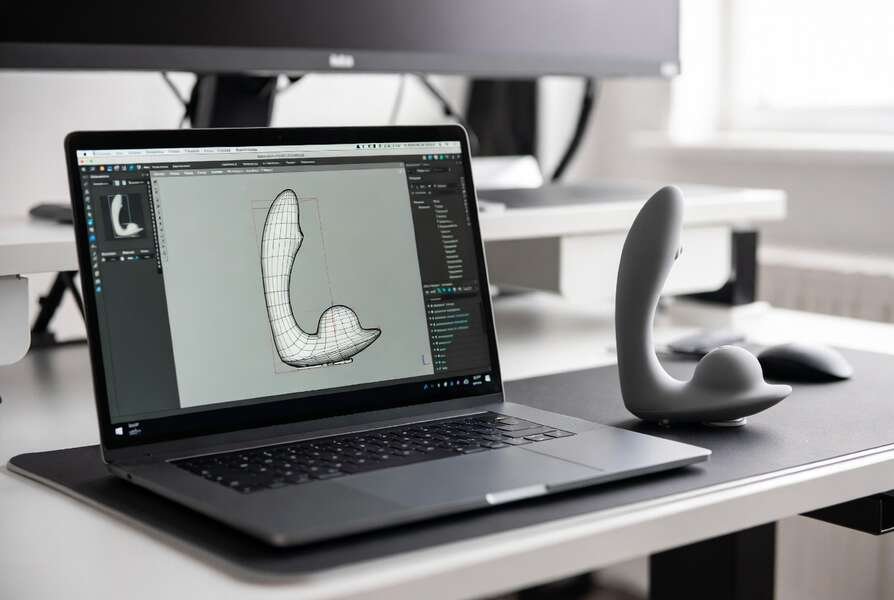
A prototype is an early model built to test and refine your product concept. It allows you to check design feasibility, gather feedback, identify issues, and make improvements before moving to molds or mass production. In adult toy development, prototypes help confirm that the product will perform safely, feel comfortable, and meet user expectations.
Types of prototypes relevant to adult toys.
Relevant types include visual models for shape and aesthetics, functional versions for mechanisms and performance, proof-of-concept builds for core innovations, and higher-fidelity pre-production samples that closely resemble final manufacturing. Each type serves a different validation purpose and carries different cost implications.
Why Prototyping Costs More Than Expected
Explanation of unexpected factors that drive costs higher.
Several elements push costs beyond initial projections. Multiple design iterations are common as you refine ergonomics or internal features. Body-safe material validation, international sample shipping, and communication cycles with suppliers add both time and expense. Feature additions or changes late in the process often require rework that inflates the total.
Common misconceptions first-time inventors might have.
Many inventors assume the first version will be production-ready or that costs will remain low if they start with basic sketches. In reality, skipping early validation often leads to expensive changes later. Over-engineering features before confirming market demand or realistic user scenarios is another frequent cause of budget overruns. A staged approach helps avoid these pitfalls.
Main Cost Drivers in Prototyping Adult Toys
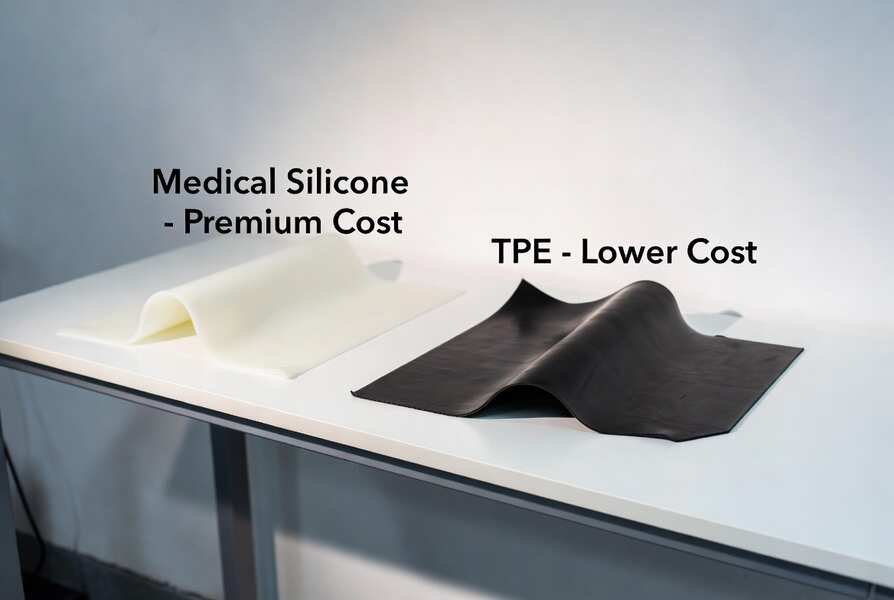
Material selection and cost consideration (e.g., silicone, TPE).
Material choice directly affects both performance and price. Medical-grade liquid silicone provides excellent durability, flexibility, and body safety but commands a premium. TPE offers a more affordable option for early tests, though it may require extra validation for long-term skin compatibility and performance.
Complexity of the design and features, including smart functionalities.
Intricate shapes, varying wall thicknesses, or integrated mechanisms increase engineering and production time. Smart features such as app connectivity, sensors, or adaptive patterns add electronics, firmware, and testing layers, significantly raising overall costs compared to simpler mechanical designs.
Manufacturing methods such as 3D printing and molding.
3D printing enables fast, lower-cost visual and functional checks for early iterations. Silicone or TPE molding delivers higher-fidelity results closer to final production but involves tooling investment. The chosen method should match the validation goals of each development stage.
Cost Estimates by Prototype Type
Virtual Prototypes ($200 – $2,000)
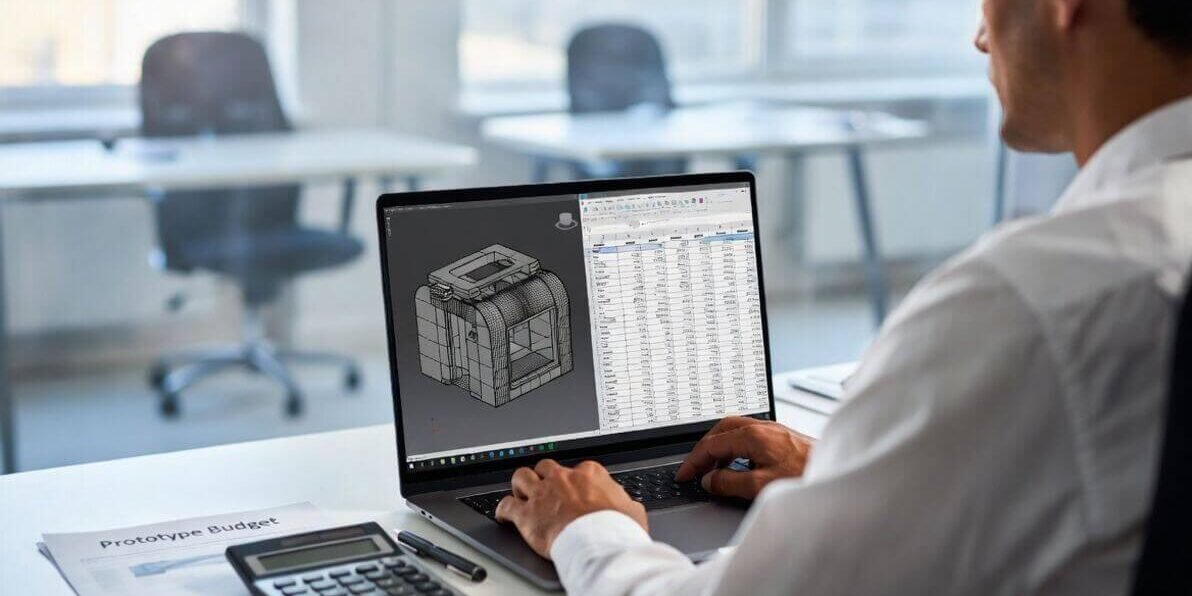
Digital 3D models created from your idea or rough sketches. These support early visualization, ergonomic review, and basic feasibility checks without physical production. They represent the lowest-risk starting point for refining concepts.
Proof-of-Concept Prototypes ($100 – $3,000)
Simplified physical or basic models focused on proving a core feature or technical viability. Ideal for quick validation of user scenarios and innovation potential with minimal spend.
3D Printed Prototypes ($300 – $5,000)
Physical parts made through additive manufacturing. Suitable for checking form, fit, and basic function. Faster and more affordable than molding for early iterations, though material properties differ from final silicone versions.
Functional Prototypes ($1,000 – $10,000+)
Higher-fidelity builds that include working mechanisms, electronics, or performance features. These enable realistic testing of feel, operation, and durability. Costs increase with smart functionalities or complex internal structures.
Production-Ready Prototypes ($5,000 – $50,000+)
Samples produced using near-final processes, often with molded components. These closely match mass-production quality for final validation, certification preparation, and investor or crowdfunding presentations. Tooling and material commitments drive the higher end of this range.
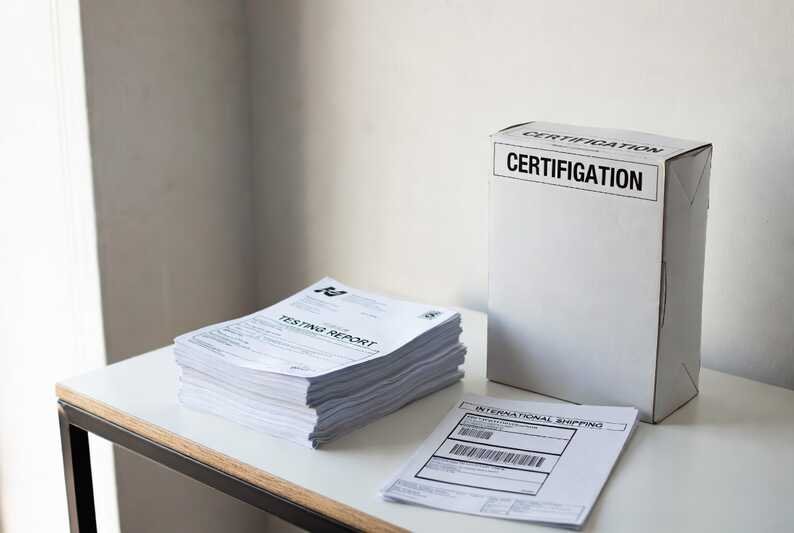
Hidden Costs to Consider
Additional testing and certification for inclusivity and health-focus.
Biocompatibility testing, safety standards compliance, and inclusivity-focused validations add time and fees. These steps become especially important when targeting broader market acceptance or specific regional requirements.
Supplier coordination and potential workflow friction.
Revision cycles, sample shipping (often international and discreet), and communication delays introduce extra costs. Planning for these factors from the start helps maintain budget control and project momentum.
Tips to Reduce Prototype Costs Without Sacrificing Quality
Start simple and use rapid prototyping tools.
Begin with virtual modeling or basic 3D prints to validate core ideas before investing in higher-fidelity versions. This MVP-style approach lets you test real user scenarios and refine based on feedback rather than assumptions.
Prioritize features that add the most value.
Focus spending on elements that deliver the greatest user benefit. Defer secondary features until later stages to keep early budgets manageable while still progressing toward a viable product.
Leverage standard parts where possible.
Using proven material formulations or standard components where appropriate avoids unnecessary custom engineering premiums. An experienced manufacturer can guide these choices to control costs without compromising essential quality.
The Impact of AI and Smart Features on Prototyping Costs
How AI-personalized toys increase complexity and costs.
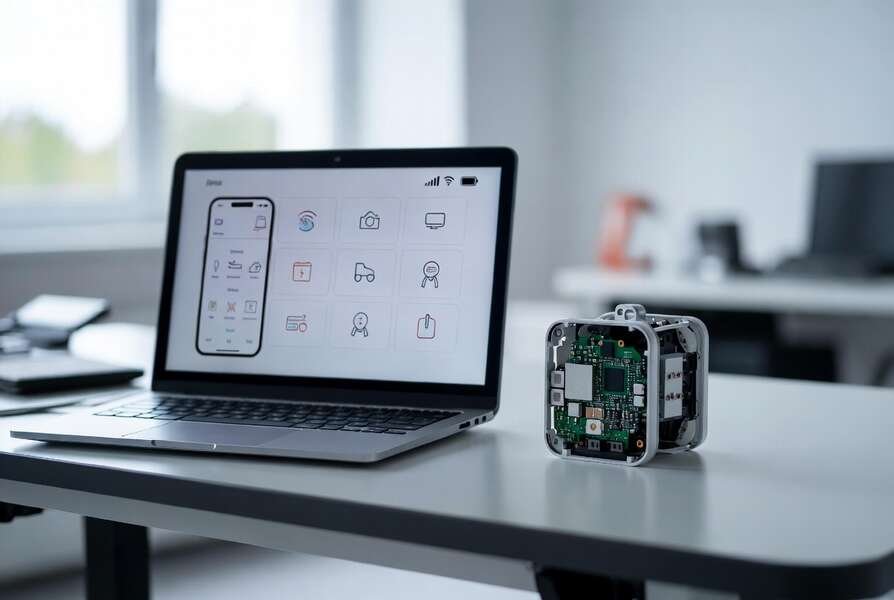
AI-driven personalization or adaptive functions require integrated electronics, sensors, software development, and extensive reliability testing. These additions significantly raise prototyping investment compared to non-smart designs and benefit from early feasibility assessment.
The role of smart app-controlled features and their pricing implications.
App connectivity and control features introduce firmware, wireless components, and user-interface validation. While they can differentiate your product, they demand higher budgets and earlier planning. Validating core appeal with a simpler version first helps manage risk and spend.
Eco-Friendly and Body-Safe Material Considerations
Trends towards sustainable materials and their impact on costs.
Sustainable silicones, recyclable components, or reduced-waste options often carry higher initial material and processing costs. These choices can strengthen brand appeal among conscious consumers but require budgeting adjustments during the prototyping phase.
Importance of eco-friendly credentials in modern adult toy prototyping.
Body-safe and eco-friendly credentials support market positioning and user trust. Balancing performance, safety, and sustainability works best when addressed early, ideally during concept or proof-of-concept stages, so material decisions align with both budget and long-term goals.
A:Costs generally range from a few hundred dollars for basic virtual or proof-of-concept work to tens of thousands for production-ready samples with advanced features. The final amount depends on design complexity, materials, features, and iteration needs. A personalized assessment based on your specific idea provides the most accurate planning figures.
A:Common frameworks use four main categories: visual (or looks-like) for appearance and ergonomics, functional (or works-like) for performance and mechanisms, proof-of-concept for validating core innovations, and pre-production or engineering prototypes that closely resemble final parts. The five cost categories above align with these types, with virtual models often serving as an early visual step.
A:Timelines vary. Simple virtual or basic 3D-printed prototypes can be completed in days to a couple of weeks. Functional or production-ready versions typically require 4–12 weeks or longer, depending on complexity, material sourcing, iterations, and testing. Clear stage milestones help manage both time and cash flow.
A:Mold tooling for silicone or TPE adult toys generally ranges from several thousand to tens of thousands of dollars. The exact price depends on part size, number of cavities, surface finish, and design intricacy. This investment usually applies to higher-fidelity or production-intent prototypes rather than early validation stages.
A:The most frequent surprises include multiple design iterations, international sample shipping and duties, biocompatibility or safety testing, communication and revision cycles, and differences between prototype and final production performance. Transparent planning with an experienced partner helps anticipate and control these factors.
If you have a custom adult toy idea and want a clear, realistic budget breakdown along with expert guidance on the next steps, learn more about how we support product entrepreneurs and inventors. We offer staged development, IP protection, and a focus on quality from prototype through production. Ready to discuss your concept? Submit your product idea through our contact form.