
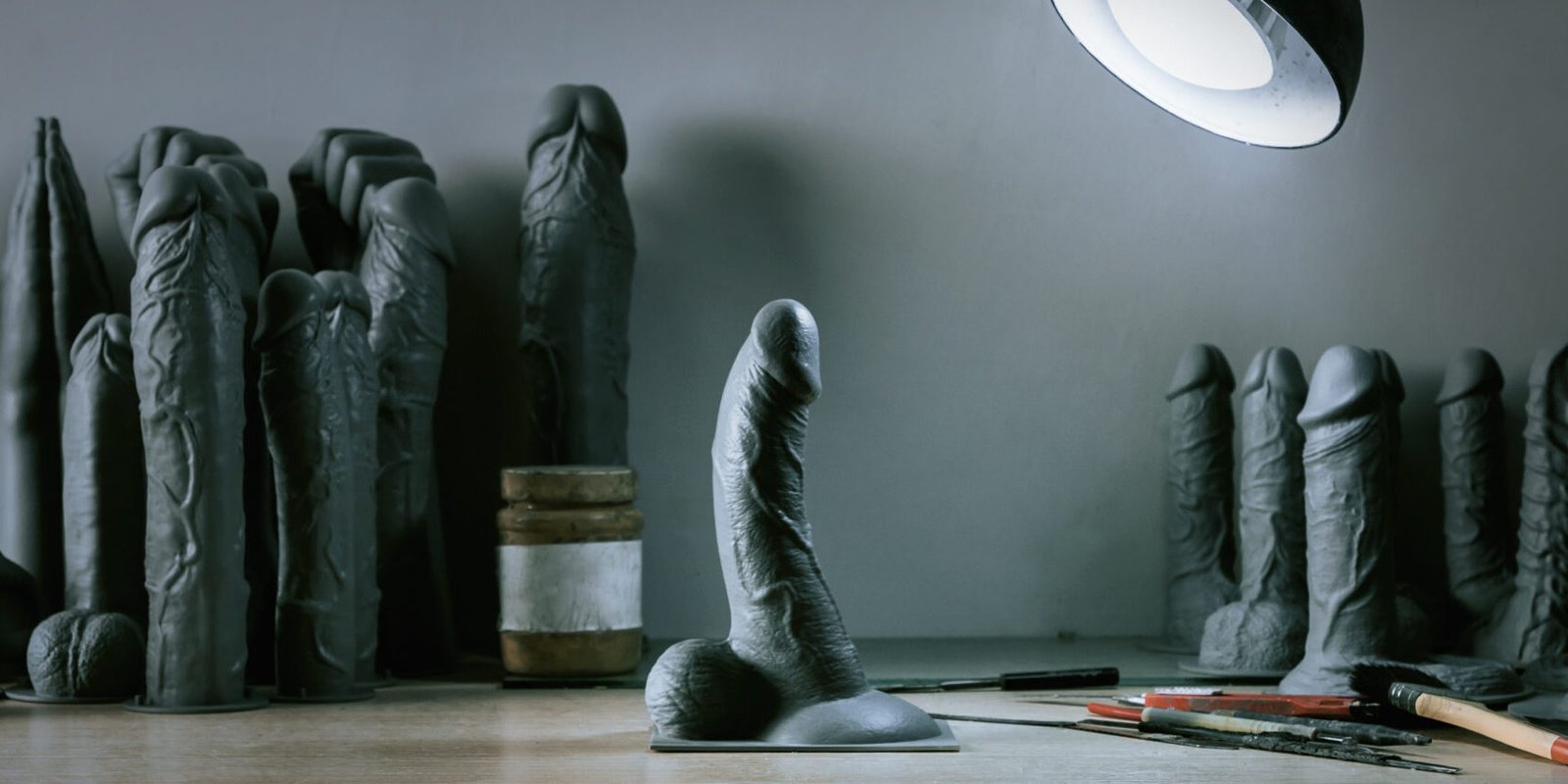
Dildos are primarily made by sculpting a model from clay or 3D printing, creating a silicone mold from that model, and casting high-quality, body-safe silicone, TPE, or glass into the mold. The process often uses vacuum chambers to remove air bubbles, producing smooth, durable, and safe products suitable for wholesale.
Materials Used
Silicone:
Liquid Silicone Rubber (LSR) is the main material used in production. It offers excellent flexibility and elasticity. It also creates a soft, skin-like feel.
Why Silicone? The Ideal Material for Sex Toys
Silicone is a non-toxic and odorless material, making it safe for all users. Its hypoallergenic properties reduce the risk of irritation or allergic reactions, which is especially important for sensitive skin. Being non-porous, silicone does not trap bacteria or other contaminants, making cleaning and maintenance simple and reliable. This ensures that products remain hygienic over repeated use.
In addition to safety, silicone is highly durable and resistant to heat, aging, and deformation. It retains its shape and softness even after long-term use, which makes it ideal for both individual users and wholesale production. Its versatility also allows manufacturers to create realistic textures, dual-density constructions, and a wide range of shapes and colors, meeting the diverse demands of the market.
Other Materials:
- Internal cores – used for dual-density designs, providing firmness inside and softness outside.
- Pigments and colorants – for realistic or custom colors.
- Add-ons – suction cups or inserts to enhance functionality.
- Alternative materials – some products use TPE for softer, flexible feel or glass for smooth, rigid designs.
Common Manufacturing Process
The manufacturing of dildos combines careful design, precise modeling, and controlled production processes. From prototyping to final packaging, each step focuses on accuracy, safety, and quality to produce durable, hygienic, and realistic products suitable for wholesale.
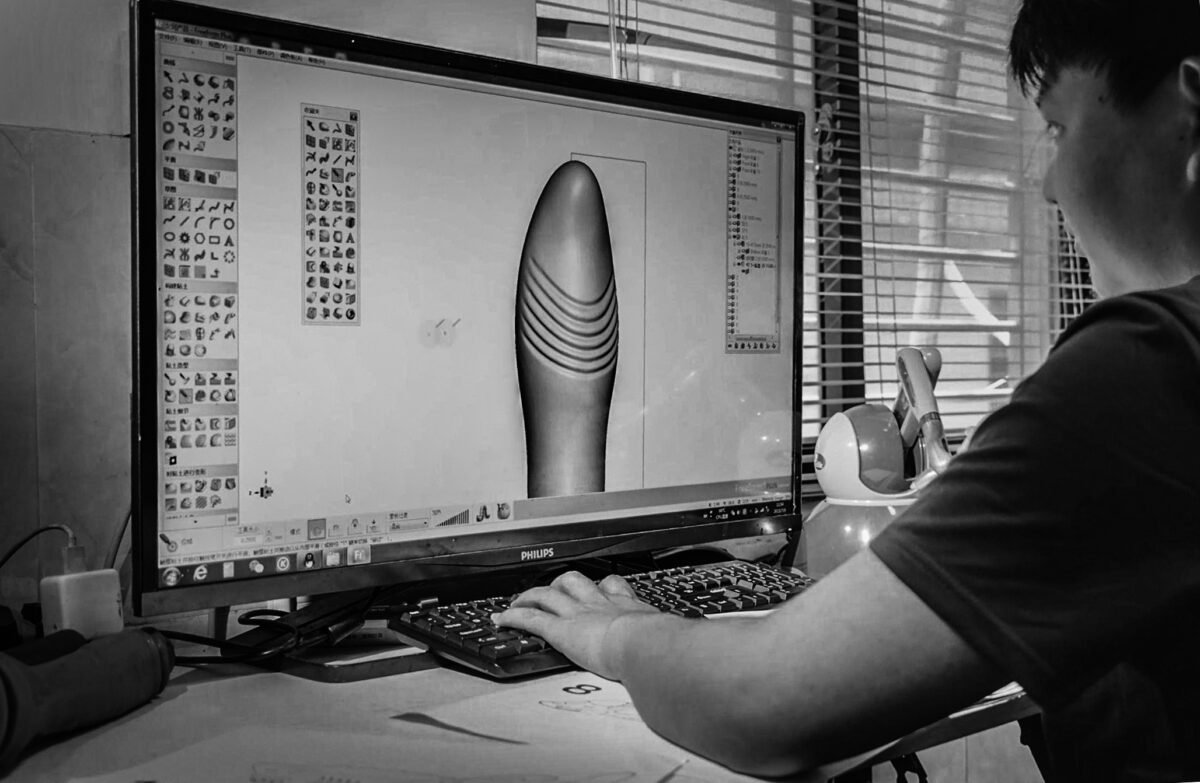
Design and Prototyping:
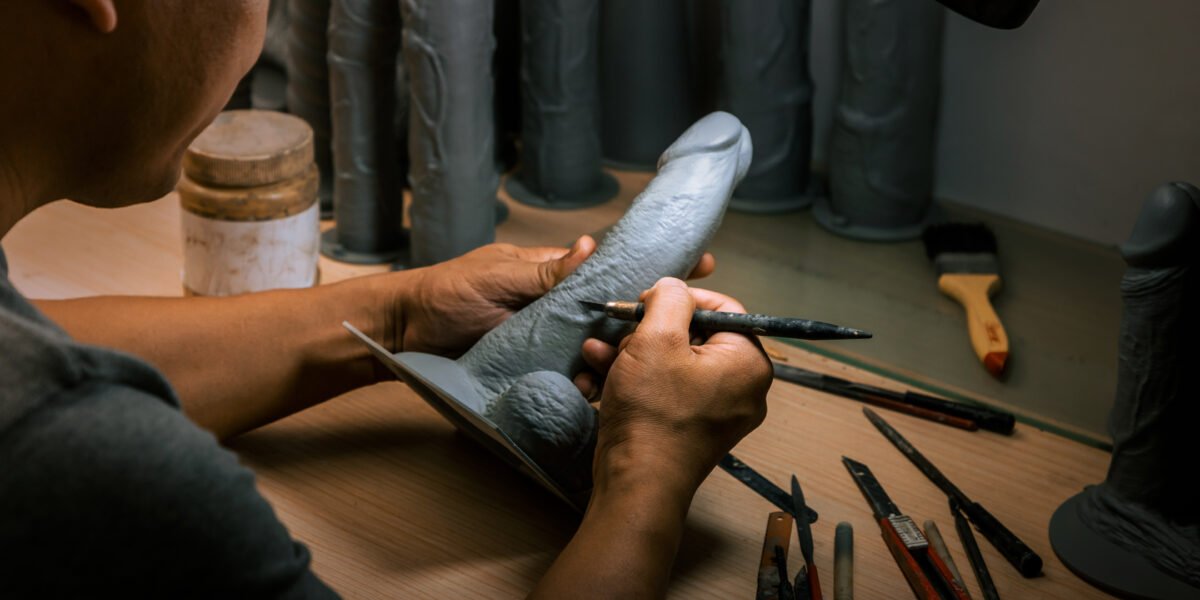
The manufacturing process begins with concept design. Designers outline the size, shape, and intended function of the product, considering ergonomics, user comfort, and realism. Prototypes are then created, either through 3D printing or hand-sculpted models, allowing the team to evaluate the look, feel, and usability.
These prototypes help identify potential issues early, such as structural weaknesses or design inconsistencies, and allow adjustments before moving into mass production. Testing at this stage ensures that the final product meets both quality standards and market expectations.
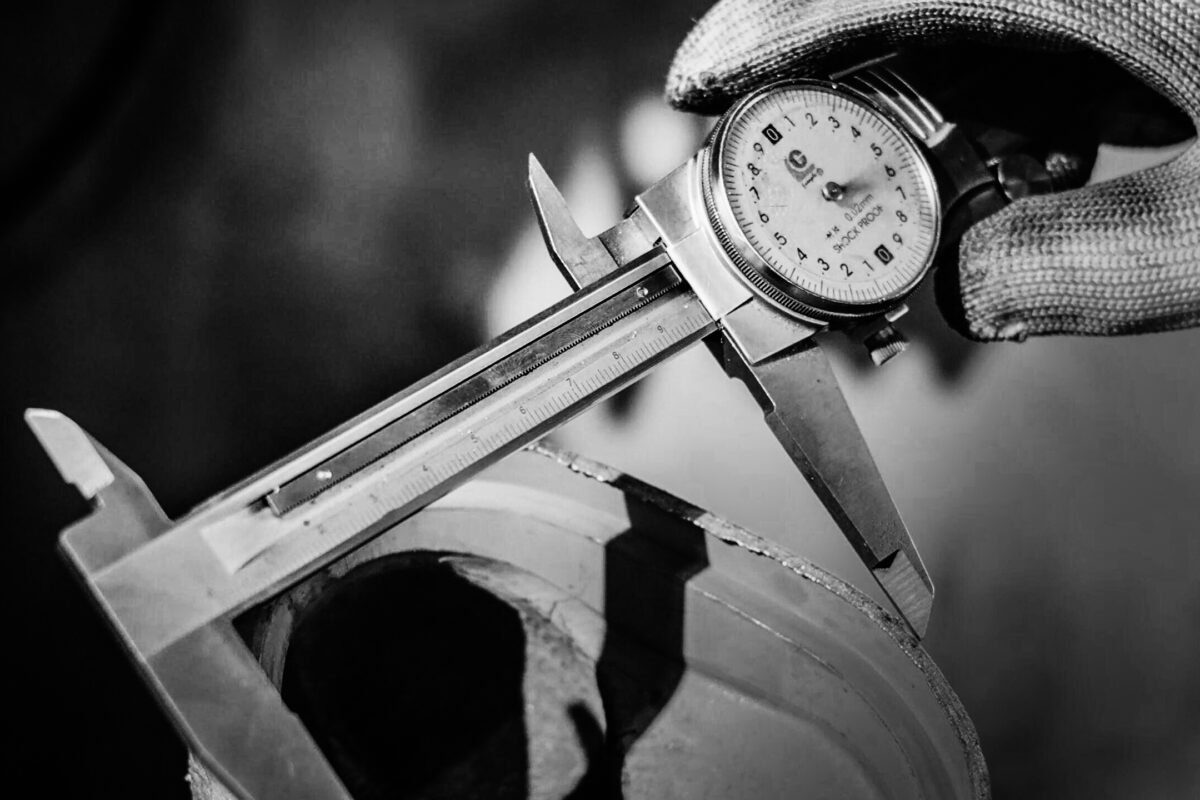
Modeling:
Engineers begin by creating detailed 3D models or physical prototypes of the product. This stage ensures that the dildo has accurate proportions, a comfortable ergonomic shape, and proper dimensions for the intended user experience.
Designers can test and refine the model at this stage to ensure both visual realism and functional performance.

Mold Making
Once the model is finalized, technicians construct precision molds based on its design. High-quality molds are essential for maintaining consistency across multiple units in mass production. The molds are carefully engineered to capture every detail, from surface textures to structural features, ensuring that each final product accurately replicates the intended design.
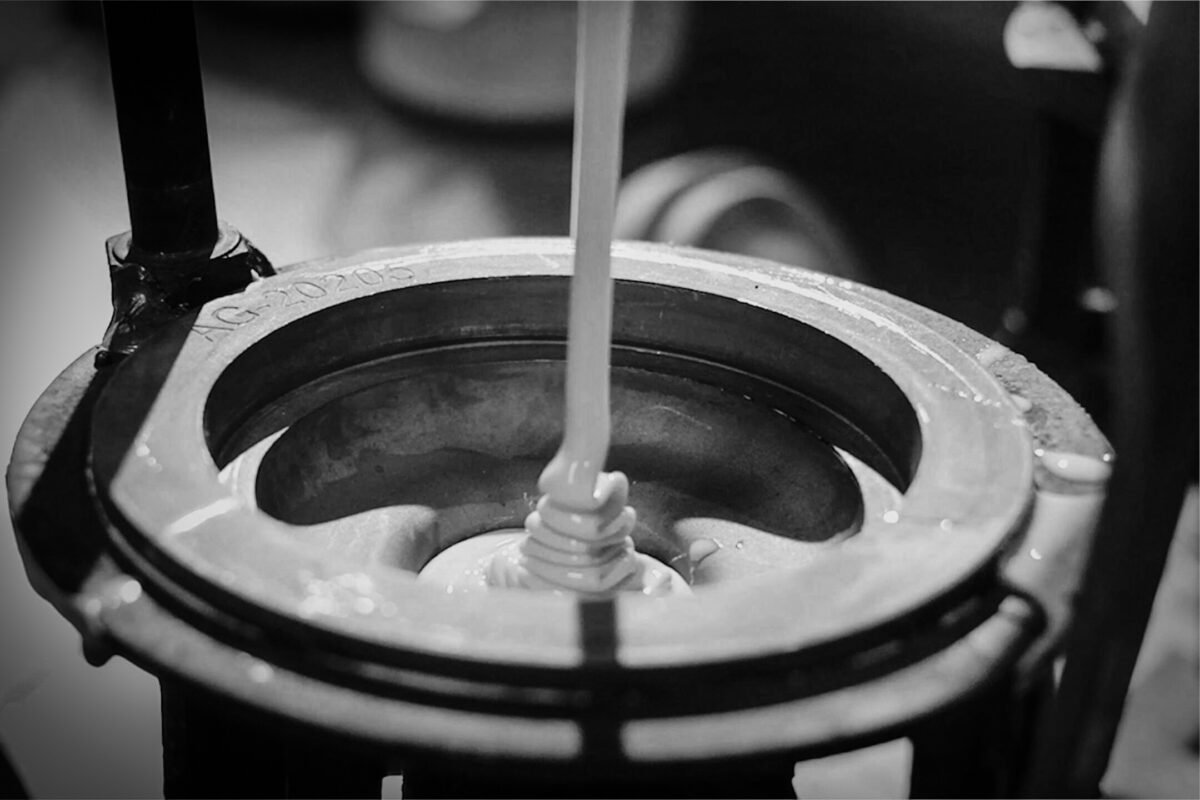
Casting:
Liquid silicone or alternative materials like TPE or glass are poured or injected into the molds. Controlled conditions, such as temperature and timing, are maintained to minimize air bubbles and prevent defects.
Some factories use vacuum chambers during this step to remove trapped air, ensuring smooth, durable, and non-porous surfaces.
Curing & Finishing:
After casting, the silicone is cured using heat to solidify and achieve its final texture and firmness. Workers then carefully trim any excess material and polish the surface to create a seamless, realistic finish. This step also ensures the product is comfortable to touch and visually appealing.
Quality Control Inspections:
Each unit undergoes strict quality control checks. Teams inspect for surface defects, air bubbles, size accuracy, and overall structural integrity. This step guarantees that only safe, reliable, and high-quality products reach the packaging stage.
Final Cleaning and Packaging:
Products are thoroughly cleaned and sanitized to ensure hygiene. They are then carefully packaged, often in discreet and durable packaging suitable for wholesale distribution.
This step ensures that products arrive safely to retailers or bulk buyers while maintaining cleanliness and presentation standards.
Key Production Factors
Ensuring product safety, structural reliability, and user comfort is central to every dildo manufactured for wholesale.
Safety:
As mentioned earlier, high-quality silicone such as liquid silicone or platinum-cured silicone is non-porous and easy to clean. Manufacturers select non-toxic, phthalate-free materials to protect users from chemical hazards.
Products are tested to meet international safety standards, ensuring they are safe for prolonged contact with the body. Smooth, non-porous surfaces prevent bacteria buildup and make cleaning easy, supporting hygiene and long-term use.
Base Design:
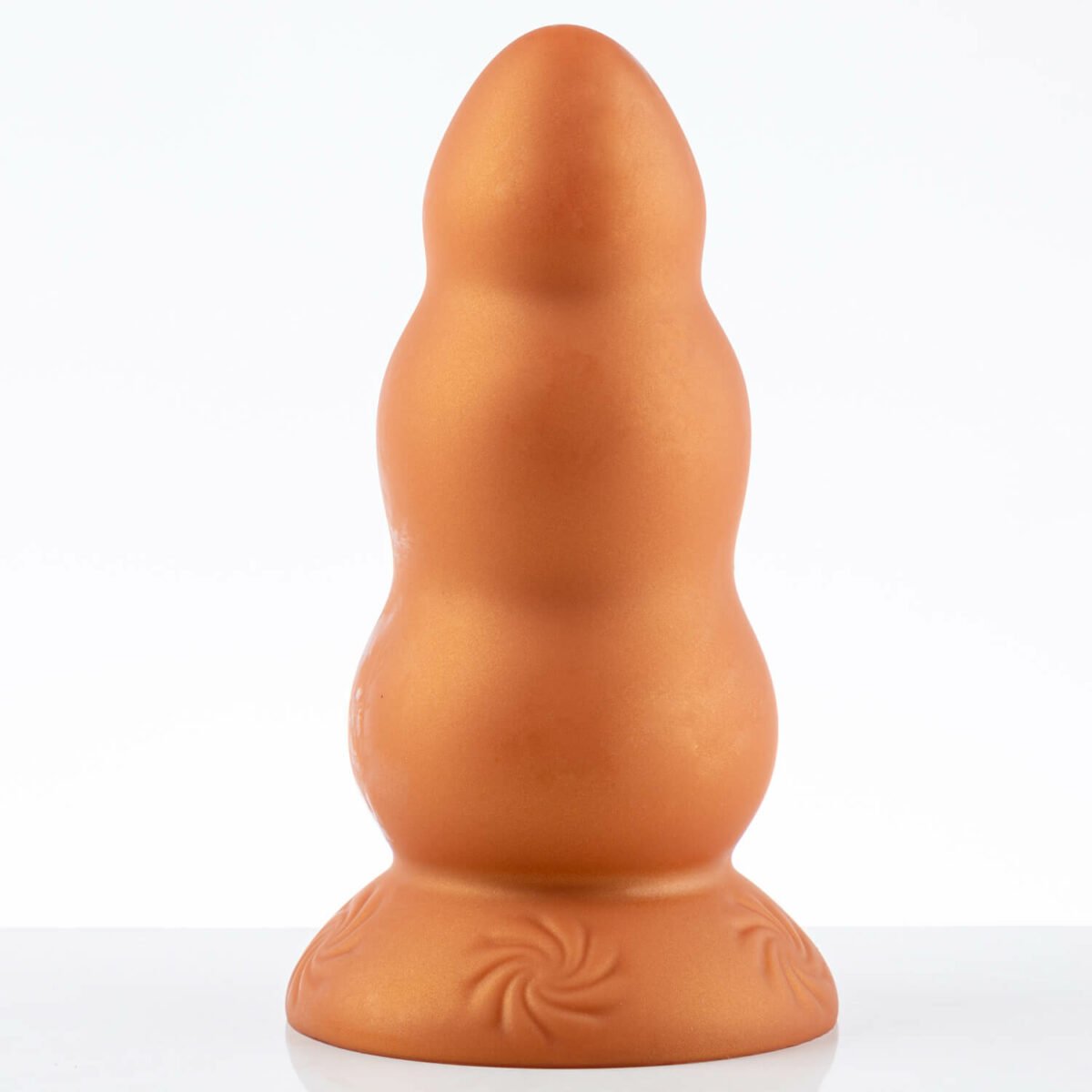
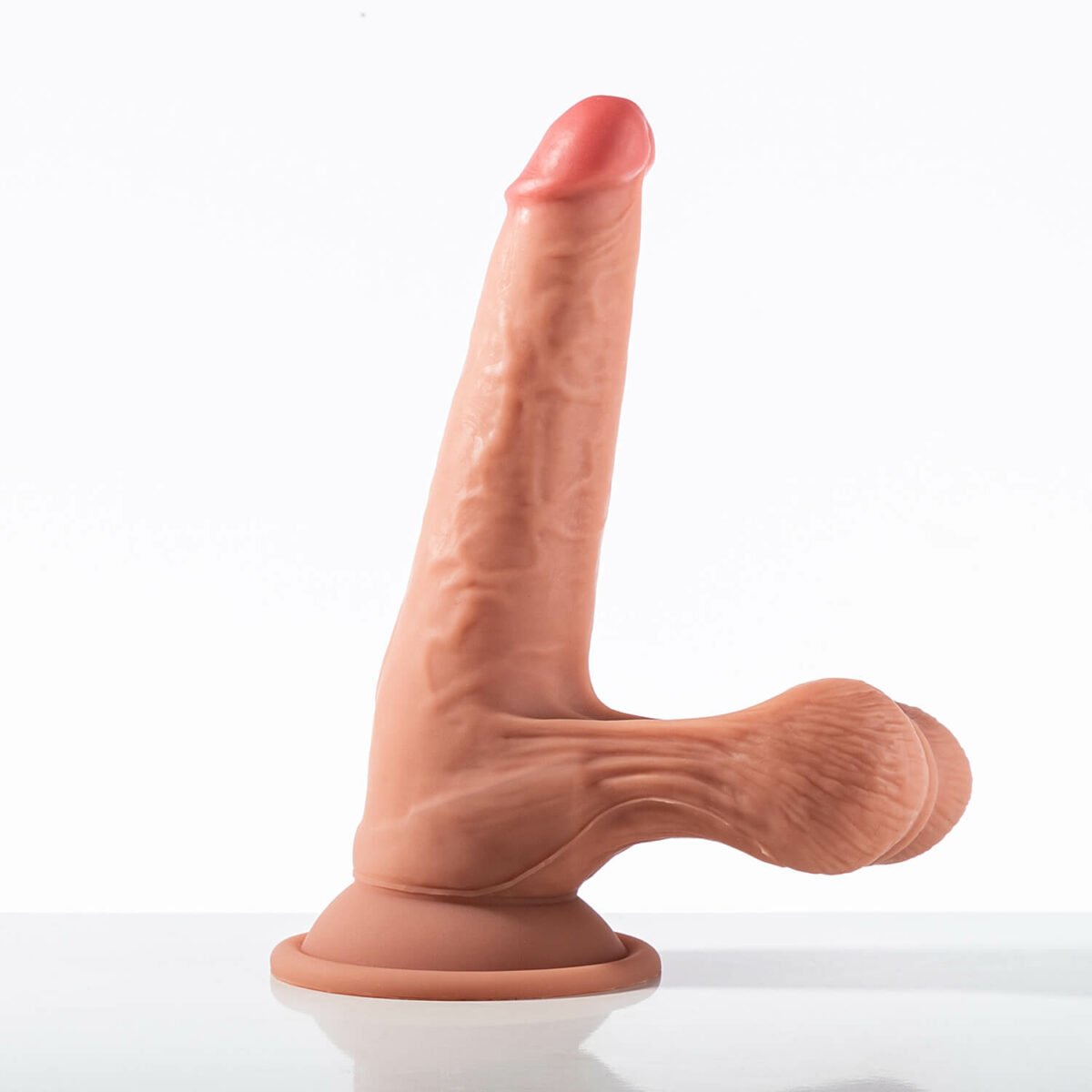
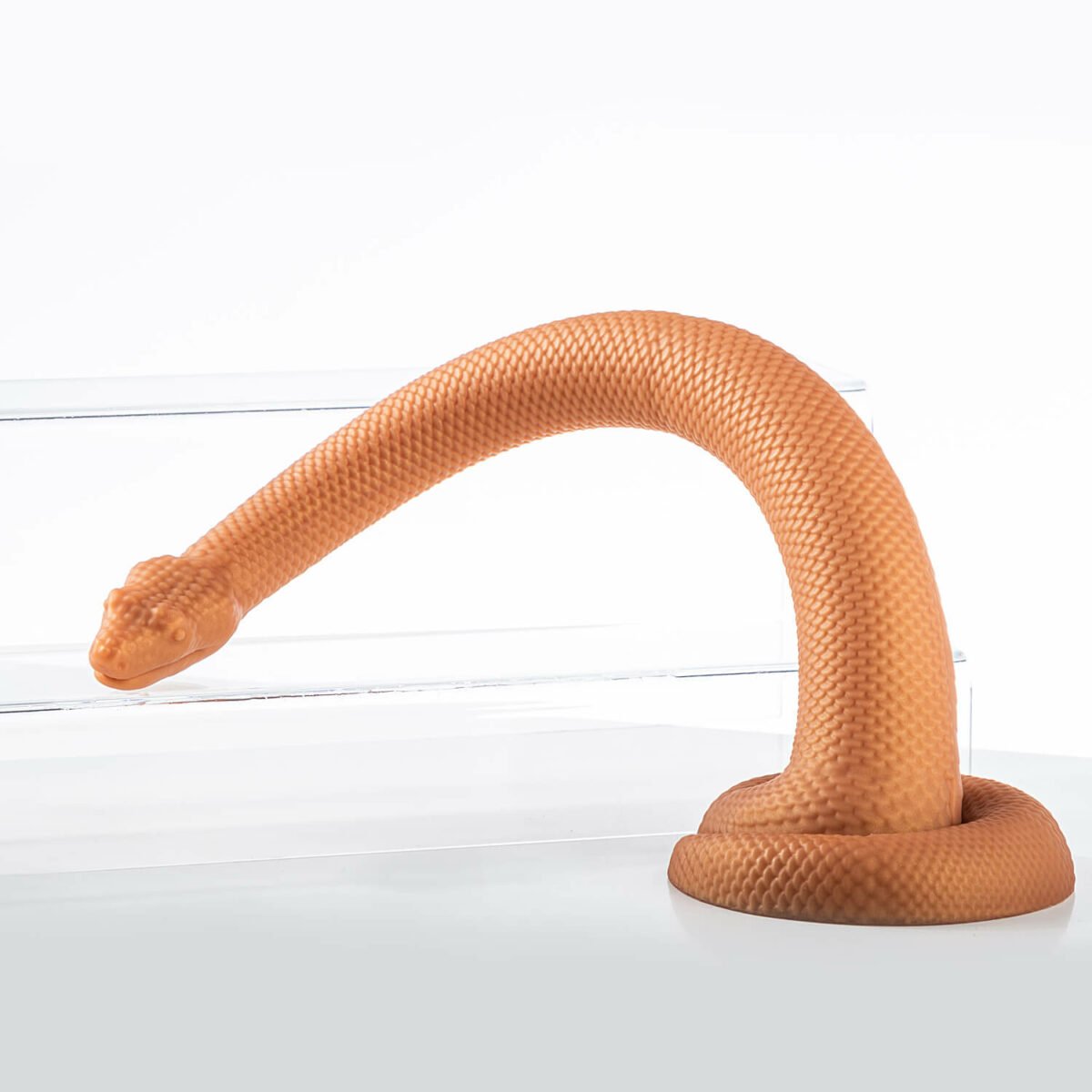
The base is designed with safety and stability in mind. Dildos with a wide, flared base, like the ones shown below, are very safe, as they prevent over-insertion and provide a secure grip during use. Reinforced bases also improve durability, supporting repeated use and ensuring the product remains reliable for both individual customers and wholesale distribution.
Innovative Features: Dual-Density, Textures, and Suction Cups
These features enhance both the realism and functionality of the product, offering users a more satisfying experience while meeting the expectations of wholesale buyers.
Dual-Density Construction:
A firm inner core provides structural support, while a soft outer layer delivers a lifelike, flexible feel. This combination mimics the natural balance of firmness and softness, improving comfort during use and making the product more appealing in wholesale markets.
Textured Details and Realism:
Veins, ridges, and subtle surface textures increase stimulation and create a visually realistic appearance. These details enhance both tactile sensation and aesthetic appeal, helping products stand out in competitive markets.
Suction Cup Bases:
Suction cup bases allow for hands-free use and provide secure attachment to smooth, flat surfaces. They increase versatility, stability, and convenience, making the product more user-friendly and suitable for display or demonstration in wholesale settings.
Summary
In summary, high-quality dildos combine carefully selected materials, precise molding, and rigorous safety checks. Innovative designs, including dual-density structures, realistic textures, and functional bases, ensure products meet both user expectations and wholesale standards.
FAQ
We primarily use liquid silicone rubber (LSR) for most products. Some premium lines are made with platinum-cured silicone, which offers higher purity, a softer feel, and longer durability.
Creating a precision mold typically takes 5–10 business days, depending on complexity. Intricate designs with detailed textures may require additional time to ensure every feature is captured accurately.
Yes, we can mix custom pigments and add surface textures according to client specifications. This includes veins, ridges, or dual-density effects to create realistic or unique designs.
Yes, we can manufacture a wide range of sizes from XS to XL and beyond. Custom sizing is available for bulk orders, ensuring products meet the specific needs of your market.
We maintain strict quality control at every production stage, from material selection to final packaging. Each unit is inspected for defects, size accuracy, and finish to guarantee that all products in a bulk order meet the same high standards.