Silicone has become the leading material in modern intimate products because it combines softness, durability, and long-term body safety. For distributors, wholesalers, and private-label brands, silicone quality is no longer just a material issue — it directly affects customer trust, product lifespan, compliance approvals, and return rates.
At iGoods, we understand how important material consistency and production standards are for long-term product quality. From raw silicone sourcing to finished product inspection, every stage matters when producing reliable intimate products for global markets.
Understanding the Basics of Silicone Standards
What Is Silicone and Why Is It Used in Sex Toys?
Silicone is a flexible synthetic material widely used in premium intimate products because of its smooth texture, skin-friendly feel, and long-term durability. Unlike porous materials, properly manufactured silicone resists odor absorption and remains easy to clean after repeated use.
For modern brands and retailers, silicone also offers stronger positioning in high-end markets. Products such as Soft Silicone Dildo collections continue to grow in demand because customers increasingly prioritize comfort, flexibility, and body-safe materials over low-cost alternatives.
Factories commonly use silicone in:
- Vibrators
- Dildos
- Anal toys
- Wearable toys
- Suction cup designs
Its versatility allows manufacturers to create different firmness levels, textures, and ergonomic structures while maintaining safety and comfort.
Key Properties of Body-Safe Silicone
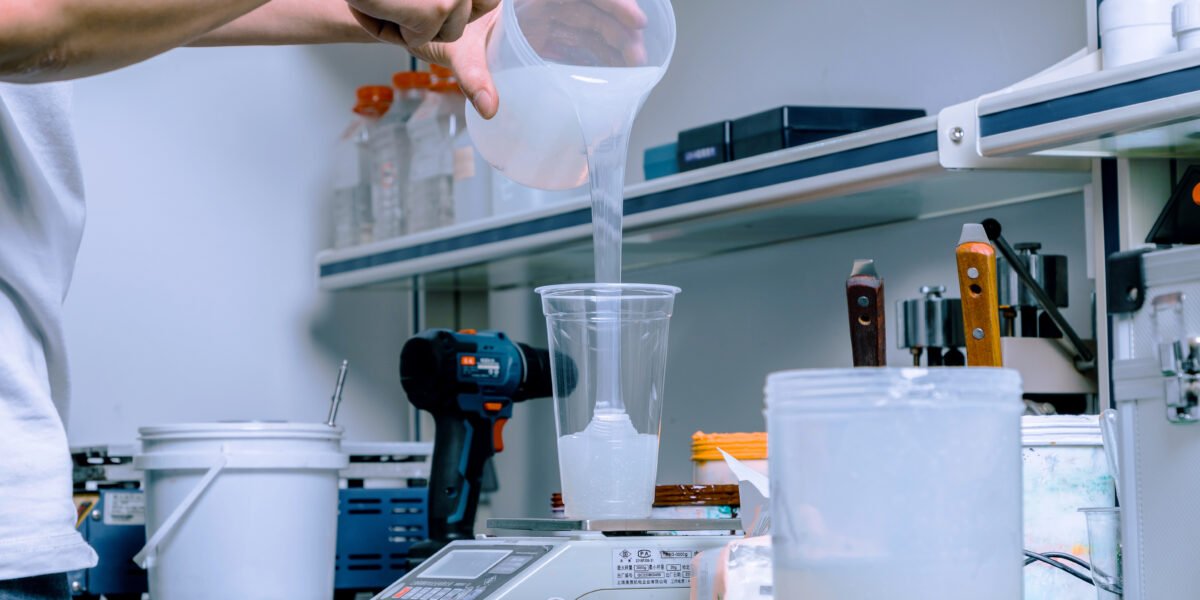
Body-safe silicone is non-porous, durable, and highly resistant to tearing. High-quality variants maintain their original softness even after repeated washing and exposure to temperature changes, making them ideal for long-term use.
For B2B buyers, material consistency is particularly critical. Poor-quality silicone tends to become sticky, brittle, or develop unpleasant odors over time, which often results in customer complaints and higher return rates.
Premium silicone products further deliver a superior tactile feel, reduced surface friction, improved color stability, lower odor retention, and a significantly longer product lifespan. These qualities are especially valuable for premium retail positioning and successful OEM brand development.
Common Misconceptions About Silicone in Sex Toys
Many buyers assume all silicone products are automatically body-safe. In reality, silicone quality varies significantly depending on raw material sourcing and factory standards.
Some low-cost factories mix fillers into silicone to reduce production costs. While this lowers pricing, it can also reduce durability, create unwanted odors, and increase compliance risks in regulated markets.
For importers selling into the U.S. or Europe, material shortcuts can become a serious business issue. Products that fail safety testing may lead to:
- Marketplace restrictions
- Customs issues
- Retail rejection
- Negative customer reviews
- Brand reputation damage
This is why experienced buyers increasingly request traceable silicone sourcing and third-party testing documentation before placing large-volume orders.
Regulatory and Safety Standards for Silicone in Sex Toy Manufacturing
ISO 3533: Design and Safety Requirements for Sex Toys
ISO 3533 is an international standard specifically for sex toys. It sets rules for safe materials, product design, and instructions to prevent injury. Factories that follow this standard create safer and better products.
FDA Compliance: CFR Title 21 for Medical and Food-Grade Materials
Although most sex toys are not classified as medical devices, FDA-compliant silicone is widely recognized as a safer and more stable material option.
For B2B buyers, FDA-compliant silicone offers several advantages:
- Better market acceptance
- Stronger customer confidence
- Reduced odor complaints
- Improved material stability
- Easier positioning in premium product lines
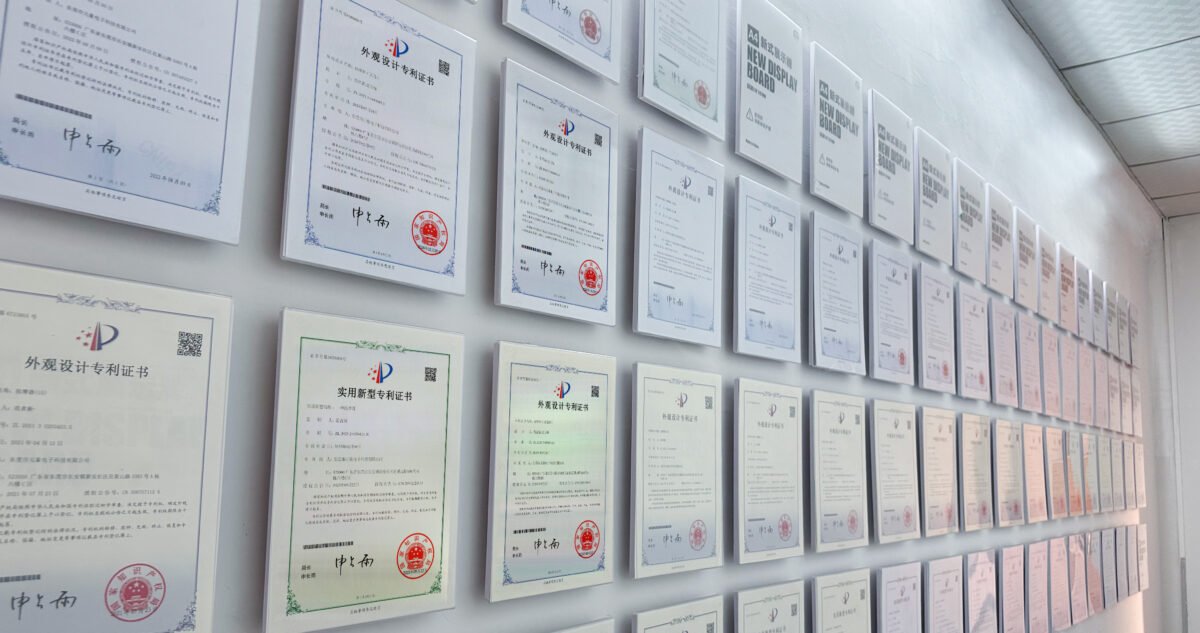
Our factory’s silicone fully complies with both ISO 3533 and FDA CFR Title 21 standards, and we can provide relevant certification documents and test reports upon request.
Key Global Standards: Europe, Asia, and Beyond
European markets typically require strict compliance with REACH regulations, which limit the use of hazardous chemicals in consumer products. Meeting these requirements is essential for smooth market access and long-term sales in Europe.
For OEM buyers, partnering with factories that are well-versed in international compliance systems can significantly reduce potential risks during customs inspections, Amazon platform reviews, retail onboarding, and third-party testing requests.
The Importance of Biocompatibility Testing
Biocompatibility testing evaluates how materials interact with the human body. It verifies that the silicone causes no irritation, toxicity, or adverse skin reactions during normal use.
For premium brands, biocompatibility testing has become an increasingly important factor. Today’s consumers are more attentive to material transparency and genuine body-safety claims, making verified testing a valuable differentiator in the market.
Types of Silicone Used in Sex Toys
Medical-Grade Silicone vs. Food-Grade Silicone
Both food-grade and medical-grade silicone are widely used in high-quality intimate products. The main difference between them lies in the level of testing, validation, and certification required.
Food-grade silicone already delivers excellent durability, safety, and performance when produced correctly, making it a reliable choice for most consumer products. Medical-grade silicone, on the other hand, goes through more rigorous testing and validation processes. It is typically chosen for premium positioning where the highest level of material assurance is desired.
Ultimately, the best choice for wholesalers and brands depends on several factors, including target market positioning, pricing strategy, retail channels, specific certification needs, and overall brand image goals.
Platinum-Cured Silicone vs. Peroxide-Cured Silicone
Platinum-cured silicone is considered the premium standard in modern intimate products. It has minimal odor, stronger durability, and better long-term stability compared to peroxide-cured alternatives.
High-end categories such as Platinum Silicone Dildo products are increasingly popular among retailers targeting premium consumers because of their cleaner feel and improved material performance.
Peroxide-cured silicone remains common in lower-cost mass-market production, but it may:
- Retain more odor
- Have lower aging resistance
- Show reduced softness consistency
- Create more variability between batches
For brands building long-term reputation, platinum-cured silicone is usually the preferred choice.
Clear Silicone and Its Unique Applications
Clear silicone enables manufacturers to produce transparent and semi-transparent designs without compromising flexibility or durability. It is widely used in modern aesthetic-focused collections and realistic product designs.
Transparent silicone is particularly popular for fantasy-inspired products, minimalist collections, high-visual retail packaging, and soft-touch realistic items.
Understanding Silicone Hardness (Durometer) and Its Applications
Silicone hardness directly affects the product’s feel, flexibility, and structural performance. Softer silicone delivers a more realistic and cushioned sensation, while firmer silicone provides stronger internal support and better structural integrity.
Different product categories require specific durometer ranges: softer silicone for realistic comfort-focused designs, medium firmness for balanced flexibility and feel, and firmer silicone for structured or insertable products.
Our factory helps buyers select the optimal hardness levels based on market positioning, customer preferences, product function, and structural requirements.
Additives in Silicone: Pigments, Coatings, and Softening Agents
Carefully tested pigments and controlled additive systems are essential to maintain material safety and consistent appearance in silicone products. Unstable or low-quality additives can cause surface stickiness, color fading, material instability, increased odor, and compliance failures.
For export-oriented brands, these issues can lead to serious long-term problems, particularly in regulated markets where product testing standards are becoming stricter. Professional manufacturing therefore relies on stable formulations that ensure both safety compliance and long-term product durability.
Manufacturing Standards and Quality Control
How Manufacturers Verify Silicone Material Purity?
Reliable factories inspect raw silicone materials before production begins. Incoming batches are checked for:
- Material consistency
- Hardness accuracy
- Color stability
- Odor level
- Supplier certification validity
Factories with strong quality systems maintain traceable records for raw materials, helping reduce variability across large production runs.
This level of control is especially important for OEM buyers developing long-term product lines under their own branding.
Lab Testing and Third-Party Certification Processes
Third-party laboratory testing provides independent verification that products meet safety requirements for target markets.
Many professional buyers now request:
- Material test reports
- REACH compliance documents
- RoHS testing
- Heavy metal screening
- Phthalate testing
Factories prepared for international export usually maintain updated documentation to support retailer onboarding and customs clearance processes.
For premium brands, transparent testing processes also improve buyer confidence and strengthen product credibility.

Avoiding Contamination During Silicone Processing
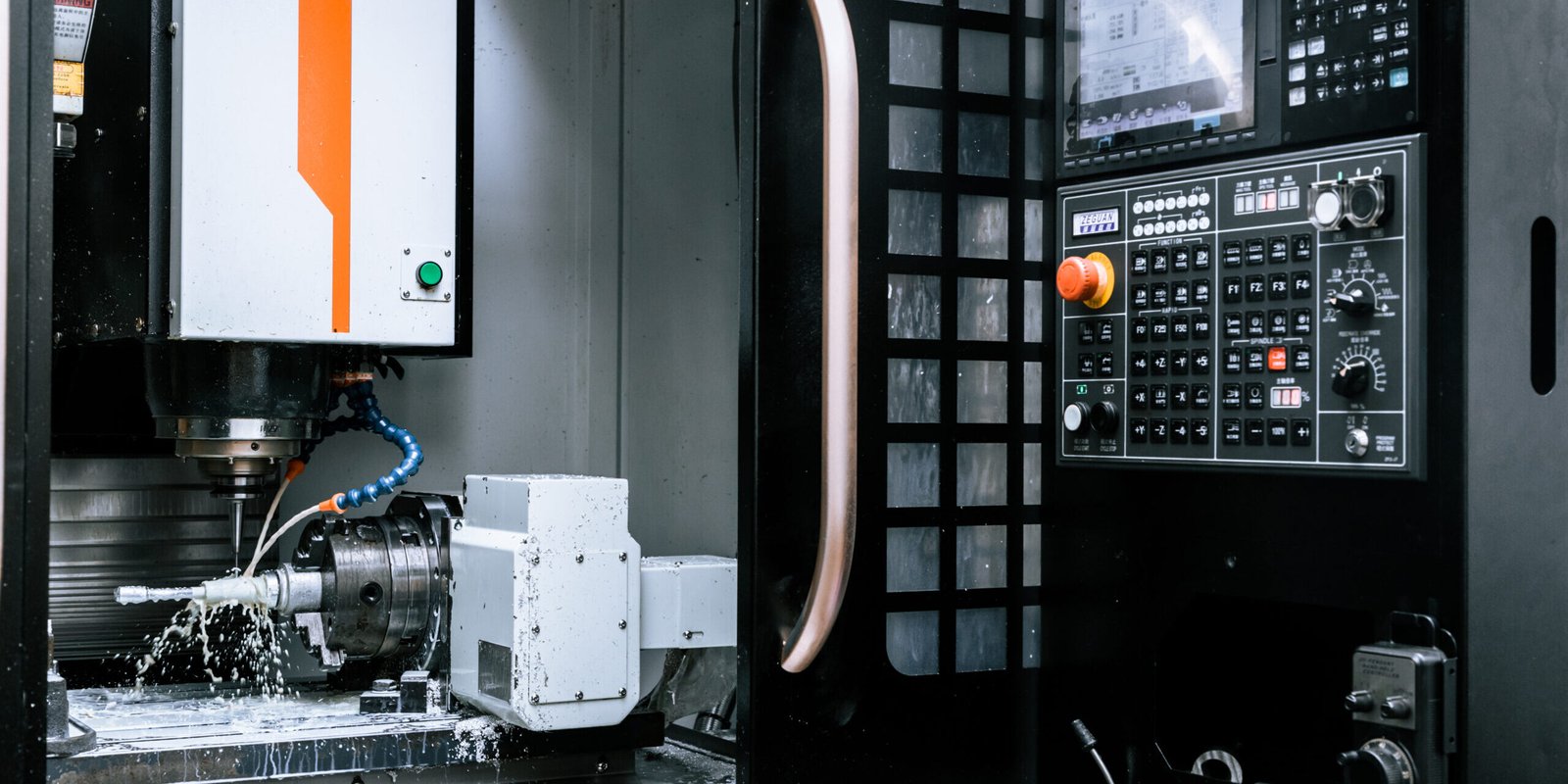
Silicone processing requires strict environmental control throughout mixing, molding, and curing stages to prevent contamination.
Proper management involves controlled production zones, dedicated molding equipment, material separation systems, worker hygiene protocols, and stable curing procedures. Poor processing control can introduce dust, foreign particles, or unwanted chemical residues, which negatively affect both the product’s appearance and safety.
Essential Clean Room and Factory Practices for Body-Safe Materials
High-standard factories maintain organized production environments designed to protect body-safe materials throughout manufacturing.
Important factory practices include:
- Dedicated silicone production lines
- Clean tooling systems
- Controlled storage conditions
- Regular equipment maintenance
- Standardized sanitation procedures
These systems help maintain consistency across bulk orders while reducing defect rates during mass production.
What Makes a Factory “Body-Safe” Certified?
Professional manufacturers go beyond basic marketing claims by maintaining traceable raw material sourcing, stable supplier partnerships, third-party testing systems, documented QC procedures, trained production teams, and export-focused compliance management.
At iGoods , we prioritize factory partnerships that deliver long-term product reliability, consistent production quality, and full international compliance support for growing brands worldwide.
Identifying Safe Silicone Sex Toys as a Consumer
How to Identify Pure Silicone in Finished Products?
Pure silicone usually feels smooth, flexible, and non-sticky. High-quality silicone quickly returns to its original shape after bending and normally has little to no strong chemical odor.
Premium silicone products also tend to show:
- More uniform texture
- Better surface finish
- Improved color consistency
- Cleaner matte appearance
These qualities often reflect stronger factory material control standards.
Common Tests for Determining Silicone Authenticity
Simple home checks such as the pinch test or boil test are sometimes used to evaluate silicone quality. Pure silicone generally tolerates high temperatures without melting or losing structure.
However, professional laboratory testing remains the most reliable way to verify material authenticity and chemical safety.
For wholesale buyers, relying only on visual inspection is rarely sufficient. Third-party testing documentation provides far more reliable assurance during supplier evaluation.
Recognizing Fake or Unsafe Silicone Products
Low-quality products often show warning signs such as:
- Strong chemical smell
- Excessive oiliness
- Sticky surface texture
- Visible discoloration
- Rapid shape deformation
Extremely low pricing combined with aggressive “medical-grade” claims can also indicate poor material quality or misleading marketing.
Experienced importers usually evaluate both factory capability and testing transparency before making long-term purchasing decisions.
The Problem with Fear-Based Misinformation and Marketing
Too much marketing uses fear instead of facts. At iGoods , we believe clear and honest information helps everyone make better choices.
FAQ
A:We use high-quality liquid silicone rubber (LSR) for the majority of our products. Approximately 80% of our intimate products are made with premium liquid silicone , which offers excellent softness, durability, and consistent performance while meeting international safety requirements.
A:TPE (Thermoplastic Elastomer) is a cheaper, more flexible material often used in entry-level products, but it is porous and can absorb odors, harbor bacteria, and degrade faster over time. Platinum-cured silicone is non-porous, body-safe, easier to clean, and far more durable, making it the superior choice for long-term use and premium positioning.
A:We recommend cleaning with warm water and mild soap (or toy cleaner) after each use, then drying thoroughly. Avoid silicone-based lubricants as they can damage the material. Store in a cool, dry place away from direct sunlight.