
Turning a strong product idea into a real, manufacturable prototype—and eventually a successful adult toy—represents one of the most rewarding yet complex journeys for inventors, product entrepreneurs, idea owners, and startup teams. Many creators possess innovative concepts (perhaps a unique ergonomic shape, a novel liquid silicone feel, a specialized function like targeted pressure or adaptive response, or a wellness-oriented design) but face gaps in manufacturing experience, complete technical drawings, cost clarity, or development roadmaps. Concerns about intellectual property protection, fear of being steered toward unnecessary expenses, or investing heavily only to discover limited market acceptance are common.
This comprehensive guide provides a structured, low-risk pathway: Idea Review → Concept → Prototype → Mold → Production. It emphasizes phased investment, minimum viable prototypes (MVPs), transparent cost and risk explanation at each stage, and partnerships with experienced manufacturers who respect confidentiality. Whether you are an independent inventor, a crowdfunding initiator, a product-focused entrepreneur, or part of a team with a specific vision, following this process helps validate ideas efficiently while protecting your creativity and capital.
Conceptualize and Develop Your Idea
Document Your Idea
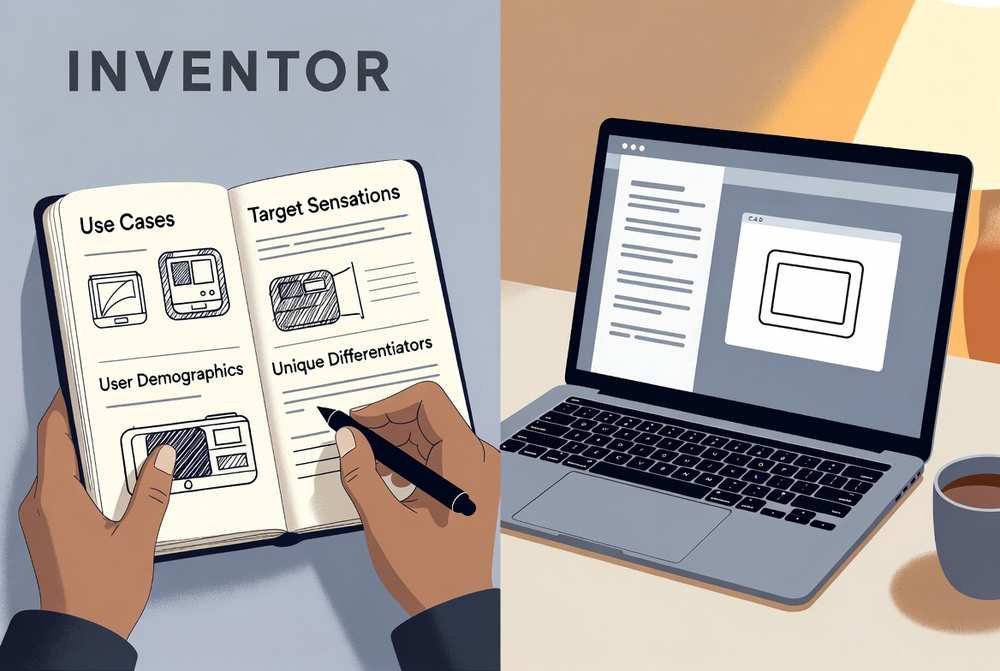
Begin by capturing every detail of your concept in a clear, organized format. Write a comprehensive description covering intended use cases (solo, partnered, specific anatomical focus, wellness angle, or creator-branded appeal), target sensations or functions (firmness, flexibility, texture, temperature play, suction, internal mechanisms), target user demographics, and unique differentiators. Include rough sketches from multiple angles, approximate dimensions, ergonomic considerations, and any modular or customizable aspects for future line extensions.
Use both analog tools (dated inventor’s notebook or sketchbook for legal timestamping) and digital platforms (Notion, detailed Google Docs with version history, or simple CAD sketches). For ideas involving electronics or complex mechanics, note power requirements, waterproofing needs, and assembly considerations.
Nuances and implications: Thorough documentation reduces costly back-and-forth with manufacturers later and strengthens any future IP filings. It also forces clarity on priorities—core innovation versus nice-to-have features. Edge cases include highly technical ideas (e.g., sensor-integrated or app-responsive prototypes) that benefit from early engineering notes, or concepts aimed at niche creator communities where fan feedback on specific features can be incorporated early. Incomplete documentation often leads to scope creep or misaligned prototypes; starting detailed saves time and preserves your original vision.
Conduct Market Research
Validate real-world demand before significant investment. Analyze competitors on major adult marketplaces, review platforms, and creator communities. Study pricing, customer reviews, and unmet needs such as better ergonomics for specific body types, easier cleaning, or inclusive sizing.
Use anonymous surveys, targeted forums, or discreet outreach to OnlyFans/Fansly KOLs to understand what their audiences seek in branded or co-created toys. Track broader trends: body-safe materials, personalization, tech integration, and wellness-focused designs.
Demand validation protects against investing in products the market won’t accept. Niche products can command premium pricing and loyal followings even with lower volumes. Highly innovative ideas may have limited direct competitors but require education marketing; regulations vary by country and channel. Skipping research risks over-engineering unwanted features or missing differentiation opportunities (e.g., girth-focused series or liquid silicone textures). Realistic assessment directly informs your business plan and prototype scope.
Prepare a Business Plan
Develop a practical roadmap including product specifications, manufacturing timeline and costs broken down by phase, projected unit economics at different volumes, marketing and sales channels, funding requirements, and risk mitigation strategies. Explicitly model phased investment: allocate modest budgets to early validation stages before committing to expensive tooling. Include IP strategy, go-to-market options (direct-to-consumer, creator collaborations, wholesale, licensing), and break-even analysis.
A strong plan addresses common concerns around total development costs, timeframes, and processes. It forces honest evaluation of idea viability, budget realism for staged progress, and commitment to iteration. Adult-industry nuances include discreet packaging/shipping, platform marketing policies, and creator partnership models. Benefits: clearer manufacturer communication, easier funding access, and dramatically lower risk of sunk costs. Many successful launches began with modest prototype-phase budgets that proved concept viability before scaling.
Design and Prototype Development
Choose the Best Materials for Your Prototype
Medical-grade platinum-cured liquid silicone rubber (LSR) is the preferred material for most adult toys. It offers excellent body-safety, non-porous surface, durability, easy cleaning, temperature resistance, and realistic feel. Alternatives include softer TPE/TPR compounds (more porous and harder to maintain), rigid plastics for structural parts, or hybrid constructions.
For the first prototype, use production-intent material or a close simulation to accurately validate feel, flexibility, and durability—avoiding later mass-production surprises. Consider durometer (hardness), color stability, and skin-safe additives. Products for extended or internal use require the highest biocompatibility standards. Electronics integration needs materials compatible with sealing and flexibility around components. Higher-grade materials slightly increase early prototype cost but ensure the prototype reliably predicts final quality and reduces rework. Reputable manufacturers can guide selection based on your performance goals and budget.
Design Your Prototype Using CAD or Paper
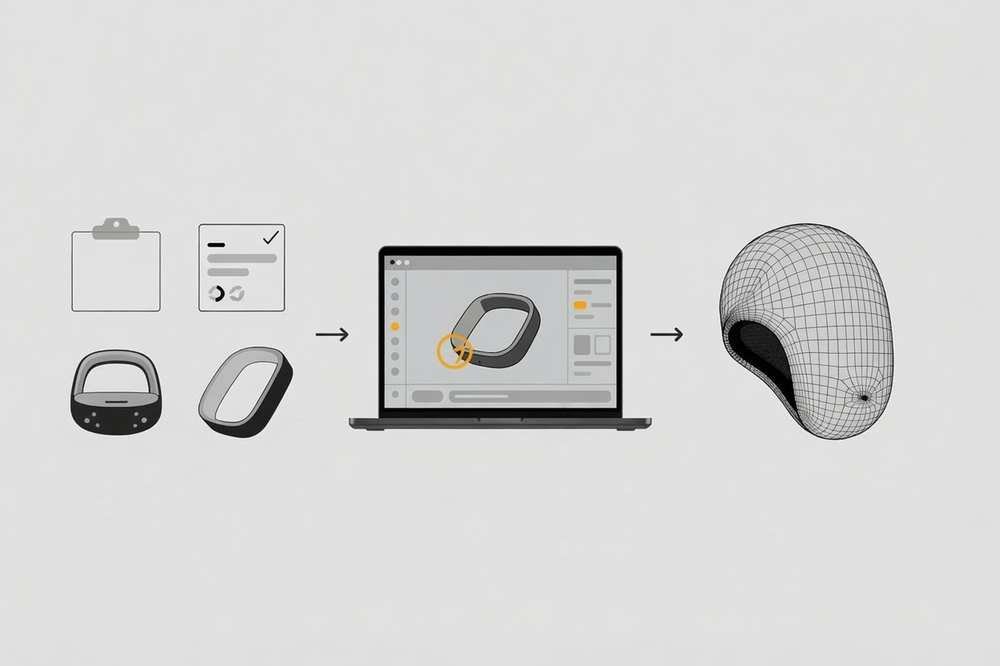
Start with hand sketches and simple physical mockups (paper, foam, or clay) to quickly explore ergonomics and user interaction. Then move to digital 3D modeling with accessible CAD tools such as Fusion 360 (free for many startups), SolidWorks, or Rhino. These tools support easy iteration, technical drawings, fit simulations, and direct export for 3D printing or manufacturer review.
Low-fidelity models excel for rapid tactile feedback and early user testing. CAD becomes essential for complex geometries, internal mechanisms, or manufacturing preparation. Inventors without CAD skills can use manufacturer design support or affordable freelancers (always under NDA). Digital designs dramatically speed refinement and reduce miscommunication. Ideas with moving parts or custom mechanisms may require early engineering input to avoid dead-end prototypes. The goal at this stage is clarity and flexibility, not perfection.
Creating Prototypes: Budget-Friendly Strategies
Adopt an MVP mindset: build the simplest version that tests your core innovation and user value. Leverage 3D printing (SLA or FDM) for initial visual, ergonomic, and limited functional prototypes at low cost and high speed—typically $50–300 per iteration. Progress to small-batch silicone casting using 3D-printed molds for more realistic feel testing. Many specialized manufacturers offer structured prototype packages with phased pricing.
Avoid jumping straight to expensive production molds. Instead, use iterative low-cost prototypes to gather feedback, refine ergonomics, and confirm market interest. Successful adult toys often evolve through multiple 3D-printed iterations before any tooling investment. This approach keeps early investment manageable while greatly improving final product-market fit. Complex mechanisms may need hybrid approaches (printed components + cast silicone). Highly customized creator-branded items benefit from early small-batch functional samples for creator approval.
Protect Your Idea with Intellectual Property
Maintain detailed, dated records of your development process from the beginning. Before sharing drawings, specifications, or concepts with any third party (designers, testers, or manufacturers), require a robust Non-Disclosure Agreement (NDA). Consider provisional patent applications for priority dates, design patents for ornamental aspects, utility patents for novel functional innovations, and trademarks for brand elements.
Patents provide legal protection but involve costs and enforcement challenges, especially internationally. In the adult space, speed-to-market combined with strong branding and trusted manufacturing partnerships often delivers effective practical protection. NDAs are the most immediate and widely used tool—reputable manufacturers sign them routinely. Collaborative ideas with creators may involve shared IP considerations; improvements on existing products can be harder to protect broadly. Always consult a qualified IP attorney familiar with consumer products. The priority is controlled sharing that enables progress without unnecessary exposure.
Manufacturing and Testing
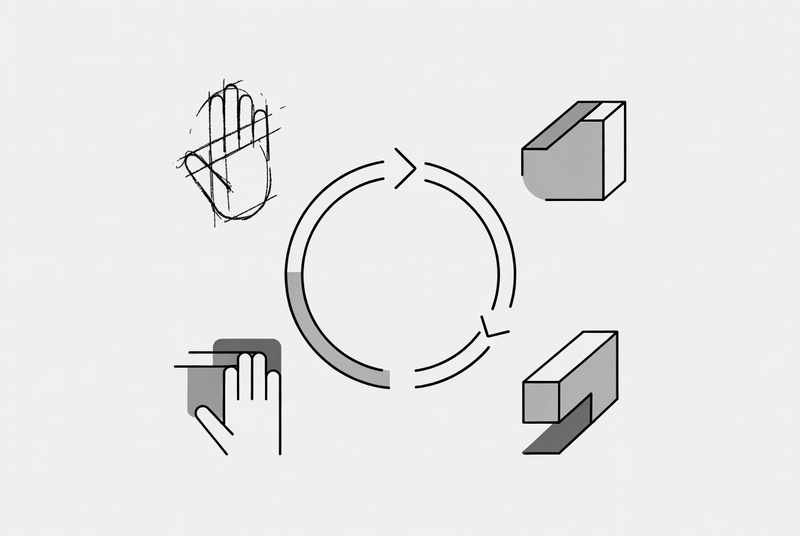
Iterative Prototype Development and Testing
Treat prototyping as a deliberate cycle rather than a single event. Plan for multiple rounds: proof-of-concept (form and basic function), functional validation (performance, mechanisms, user comfort), refined ergonomics, and pre-production samples. Conduct internal testing plus discreet, NDA-protected feedback from target users or adult content creators. Document learnings and refine accordingly.
Examples, nuances, and implications: Iteration catches issues (comfort, durability, mechanism reliability) while changes remain relatively inexpensive. Real-world implication: skipping structured iteration often leads to expensive mold modifications later. Edge cases include highly innovative or mechanism-heavy designs that benefit from more cycles, or time-sensitive creator collaborations needing faster turnaround. A disciplined iterative process builds confidence that the final product will perform as intended and reduces overall risk and cost.
Testing for Safety and Compliance
Prioritize user safety through appropriate material and product testing. Focus on biocompatibility (cytotoxicity, sensitization, irritation per relevant ISO standards), chemical safety (absence of restricted substances), and, where applicable, electrical or waterproofing standards. Request material documentation and consider third-party lab testing for prototypes intended for extended evaluation or public feedback.
Multiple angles and considerations: Adult pleasure products are typically not classified as medical devices unless therapeutic claims are made, yet responsible testing remains essential for liability protection, platform compliance (e.g., Amazon policies), and consumer trust. Nuances: testing scope and cost scale with product complexity and target markets (REACH, Prop 65, etc.). Implications of robust testing: stronger marketing positioning, fewer post-launch issues, and smoother international expansion. Edge cases: products with claims around wellness or specific health benefits may trigger additional regulatory scrutiny. Work with manufacturers experienced in compliant material sourcing and documentation.
Finding a Manufacturer for Your Adult Toy Prototype
Select partners based on specialized experience with silicone adult toys, in-house design and rapid prototyping capabilities, willingness to operate under strong NDAs, transparent phased quoting, low MOQ flexibility, rigorous quality control (ensuring production samples consistently match approved prototypes), and genuine support for entrepreneurs and creators.
Key evaluation criteria and risk mitigation: Look for manufacturers who clearly explain each development stage, associated costs, and risks—exactly the transparency many inventors seek. Prioritize those offering structured pathways (idea review through concept, prototype, mold, and production) rather than pushing immediately toward full tooling. In-house capabilities for 3D modeling, fast prototyping, and production under one roof reduce coordination risks and accelerate timelines.
Manufacturers such as iGoods Novelties follow this approach. Our in-house team delivers rapid prototyping—often achieving a design-to-sample window of just 7 days using advanced liquid silicone techniques. We support low MOQ for market testing, maintain strict confidentiality protocols, and focus on phased, lower-risk development tailored to inventors and product entrepreneurs.
Launching Your Adult Toy Product
Branding and Marketing Strategies
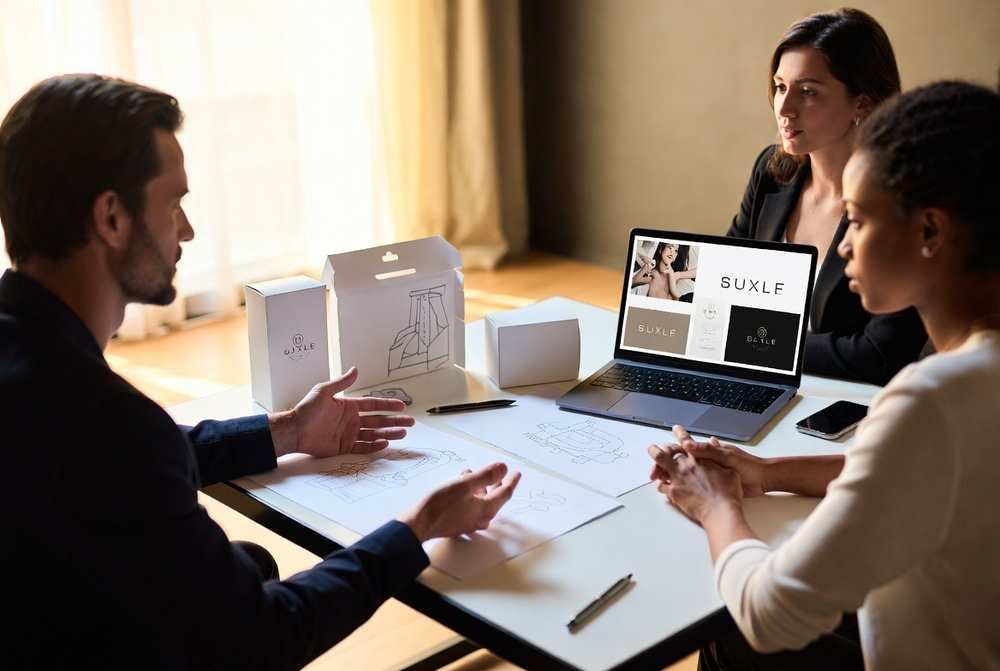
Develop a compelling brand narrative around innovation, safety, user-centric design, or creator collaboration. Invest in professional yet approachable visuals (product photography, lifestyle imagery where appropriate). Build presence through SEO-optimized content, creator partnerships, and community engagement while navigating adult-industry platform policies. Discreet, premium packaging reinforces quality and user comfort.
Nuances and implications: Strong branding differentiates even in competitive categories and builds trust—especially important for new inventors. Edge cases: creator-co-branded products require aligned aesthetics and clear collaboration terms; highly niche or wellness-positioned toys may benefit from educational content marketing. The prototype phase itself can generate early brand assets and feedback for marketing refinement.
Planning Your Product Launch
Create a realistic timeline and budget covering final design lock, initial production run, inventory strategy, channel setup (own e-commerce, marketplaces, wholesale, or creator platforms), pricing strategy, and pre-launch marketing. Start with controlled volumes informed by prototype feedback and pre-orders where possible. Factor in compliance documentation, age-gating, and logistics (including discreet global shipping options).
Depth and considerations: Successful launches balance ambition with risk management—many begin with smaller runs or hybrid models (direct + wholesale). Implications of thorough planning: smoother execution and better cash flow. Edge cases include seasonal considerations, creator launch windows, or multi-market rollouts requiring staggered inventory. Use prototype validation data to set realistic sales forecasts and avoid overcommitment.
Licensing or Selling Your Product
Evaluate three primary paths: licensing your design or IP to established brands (royalty model, lower operational burden), outright sale of the concept, or self-commercialization through contract manufacturing and your own brand (higher control and margins but greater investment and risk). Hybrids are common—licensing in some markets while self-launching in others.
Nuances, pros/cons, and implications: Licensing suits inventors who prefer to focus on creation rather than operations and reduces inventory and marketing risk. Self-launching or private-label approaches offer greater upside and brand ownership but require robust execution capability. Edge cases: highly unique or patented innovations may attract stronger licensing interest; creator-driven ideas often thrive in collaborative self-launch models. Consult legal and business advisors familiar with the adult product space to structure agreements that protect your interests long-term.
AI-Driven Personalization
Adaptive Feedback Systems
Emerging AI tools enhance prototype development through simulated user interaction analysis and post-launch anonymized data collection (with proper consent). AI-assisted analysis of market feedback and trends helps prioritize features early in the concept and prototype stages.
These systems enable faster, more targeted iteration based on real usage patterns, improving product-market fit. For intimate products, privacy-first implementation is essential, and human oversight remains critical for all safety-related decisions. This trend supports the optimization mindset embraced by many modern manufacturers.

Enhancing User Experience with Technology
Generative AI accelerates early design exploration by creating multiple visual and structural variations from descriptive prompts. AI-driven simulations can predict material behavior and ergonomic performance. These tools shorten the concept-to-physical-model timeline and support more personalized or inclusive design options from the start.
While powerful, AI outputs require expert review for safety, manufacturability, and brand alignment. Inventors gain speed and broader exploration without proportional cost increases. Forward-thinking manufacturers integrate these technologies to deliver better outcomes faster.
Eco-Friendly Prototyping Trends
Using Body-Safe and Sustainable Materials
Sustainability matters even at the prototype stage. Prioritize durable, long-lasting materials that reduce replacement frequency, and minimize waste through additive manufacturing rather than traditional subtractive methods. Emerging bio-based or responsibly sourced silicones and recyclable packaging options are worth considering when performance is not compromised.
True sustainability balances environmental goals with strict body-safety and durability standards. Claims should be substantiated to avoid greenwashing. Products designed for longevity inherently support sustainability better than disposable alternatives. Manufacturers focused on optimization naturally identify waste-reduction opportunities.
Inclusive Wellness-Focused Designs
Modern prototyping benefits from early consideration of diverse user needs—different body types and abilities, gender-affirming options, varying mobility or sensory preferences, and wellness-oriented applications (with appropriate claim caution). Diverse user testing during iteration, combined with AI-assisted generation of design variants, helps create more universally accessible products.
Inclusive design expands market reach and builds positive brand equity. It aligns with respecting all users equally. Manufacturers who value diversity in their teams and processes are often better positioned to support these goals thoughtfully.
FAQ
A:Start with dated documentation and require signed NDAs before sharing detailed ideas or drawings. Consider provisional or design patents for key innovations and trademarks for your brand. Speed-to-market combined with trusted manufacturing partners often provides the strongest practical protection. Consult a qualified IP attorney for advice specific to your situation.
A:Medical-grade platinum-cured liquid silicone rubber (LSR) is the standard for safety, performance, and consistency. Use production-grade material for functional prototypes; 3D-printed resins work for early form testing. Always request material safety data sheets and biocompatibility documentation. Avoid porous materials for any prototype intended for repeated use.
A:Focus on an MVP—prototype only the core features needed to validate your idea. Use affordable 3D printing for quick iterations, then move to small-batch silicone casting. Many manufacturers offer phased prototype packages with clear pricing. This approach keeps meaningful validation in the low thousands of dollars instead of committing to full production tooling early.
A:Most pleasure products do not require formal medical device approval unless you make therapeutic claims. Basic biocompatibility and safety testing is still strongly recommended for responsible development and platform compliance. Start with supplier documentation and follow manufacturer guidance on appropriate tests. Prioritizing safety early helps avoid costly issues later.
A:Choose specialists with proven experience in custom silicone adult toys, in-house prototyping, strong NDA practices, low MOQ, and transparent phased support. Prioritize partners who clearly explain costs and risks at each stage and guarantee prototype-to-production consistency.
iGoods Novelties specializes in rapid in-house prototyping, confidentiality protection, and low-risk phased development for inventors and entrepreneurs. Visit Product Entrepreneurs & Inventorspage to explore how we can support your idea.