Introduction
Overview of OEM (Original Equipment Manufacturer) and ODM (Original Design Manufacturer)
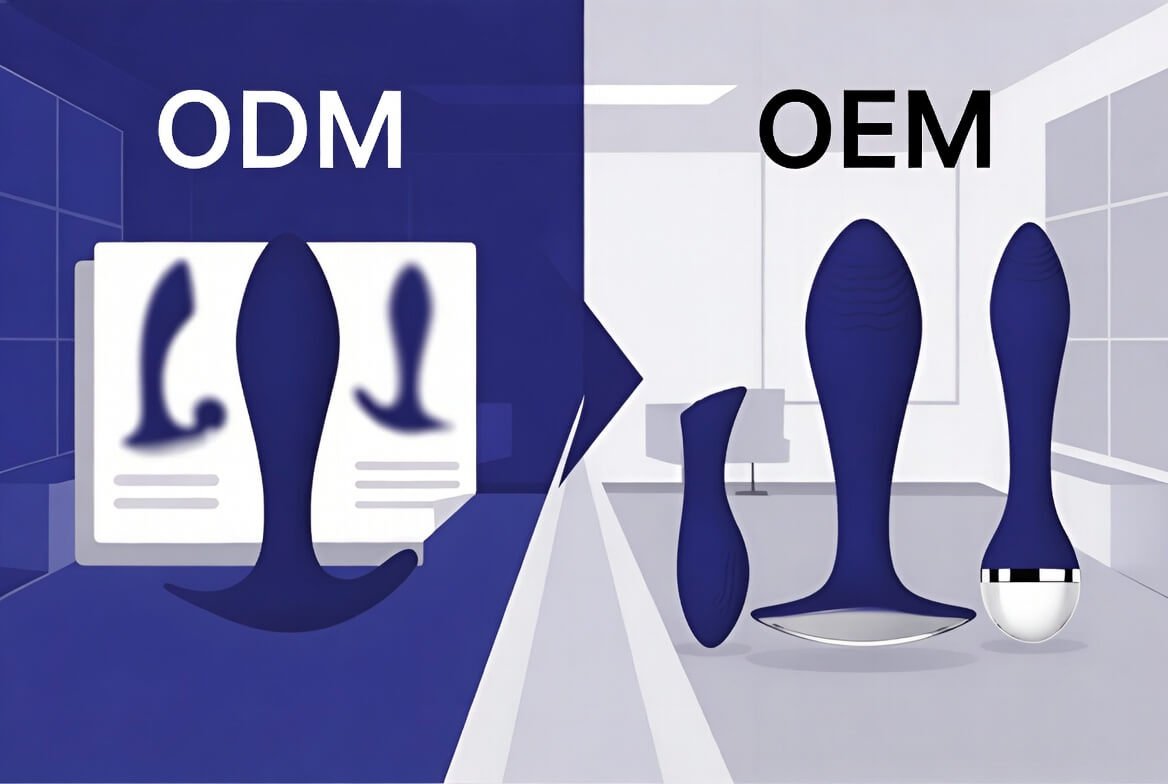
OEM stands for Original Equipment Manufacturer. You create the design and specifications. The manufacturer produces the product exactly as you direct.
ODM stands for Original Design Manufacturer. The manufacturer develops the design and handles production. You apply your brand and sell the finished goods.
These two models form the core production routes for most adult toy brands that scale beyond small runs.
Their importance in scaling adult toy brands
Both OEM and ODM let brands expand output without building factories or managing complex supply chains. They deliver consistent product flow to meet rising demand from customers, content creators, and distributors.
OEM and ODM free brands to focus on marketing, product development, and sales growth instead of production infrastructure.
Why selecting the right model is critical for differentiation and innovation
The choice directly shapes how distinctive your products can become and how fast you reach the market.
A poor match can restrict your ability to innovate or leave your items too similar to competitors.
The right model supports stronger brand identity, better intellectual property protection, and faster progress toward your growth targets.
OEM vs ODM: Understanding the Differences
What is OEM?
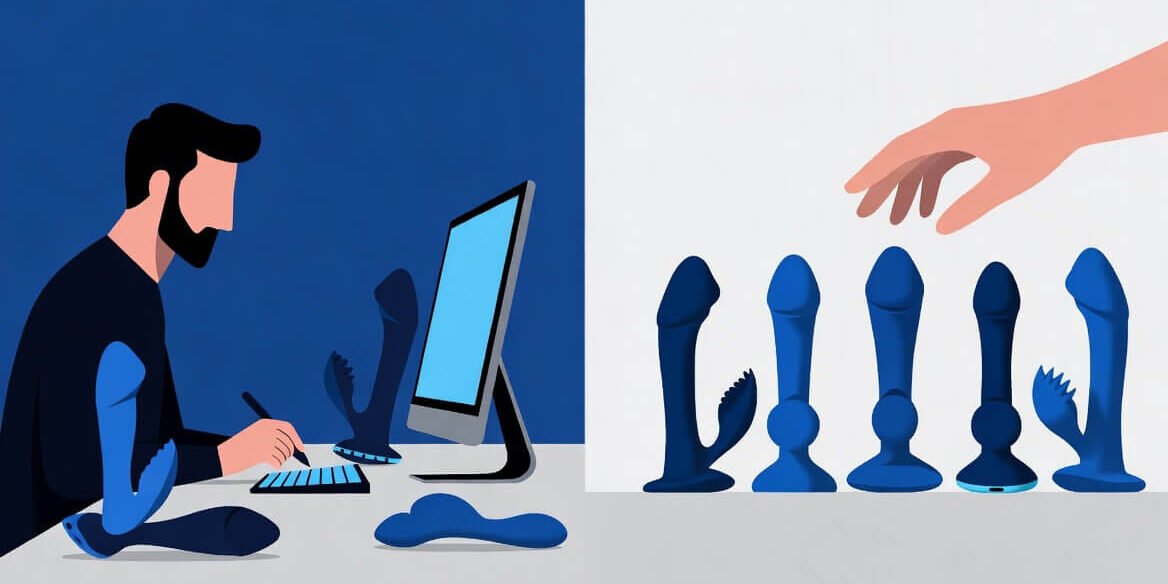
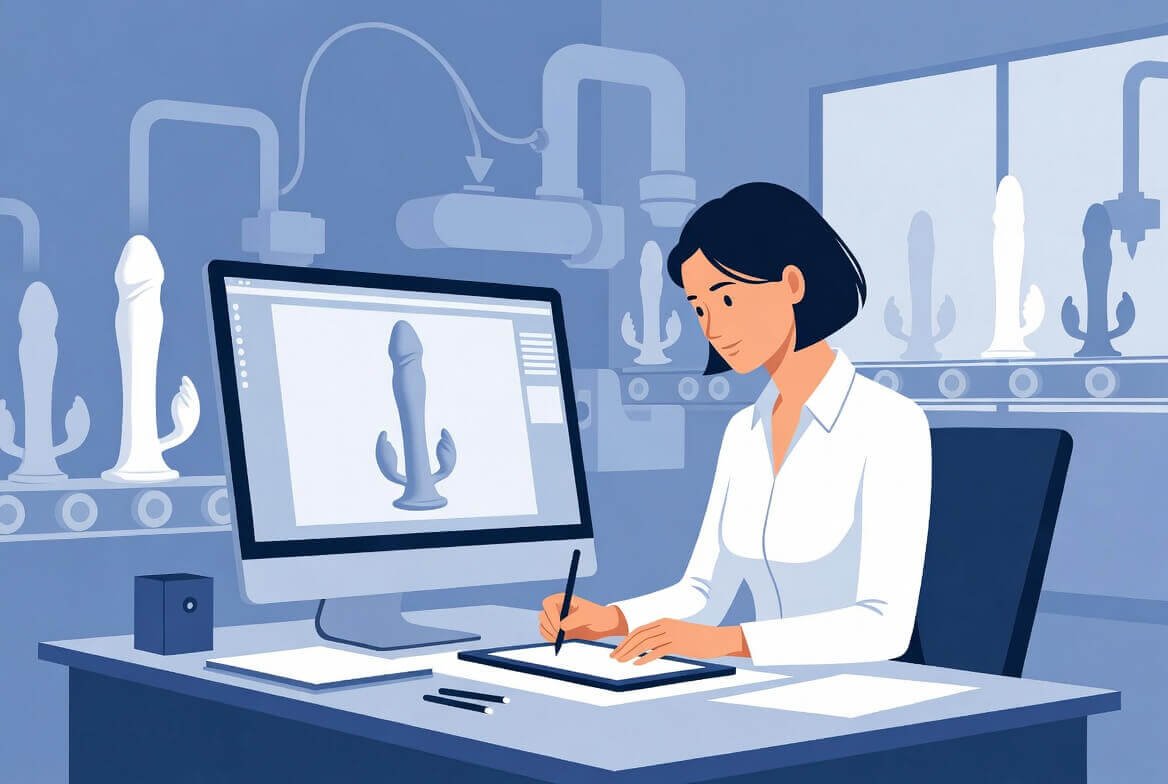
OEM means you design the product. The manufacturer follows your exact specifications and produces it.
You retain full brand ownership and intellectual property rights over your designs and features.
Adult toy brands use OEM for signature items. Examples include custom-shaped dildos with proprietary curves or app-connected vibrators built to specific performance standards.
What is ODM?
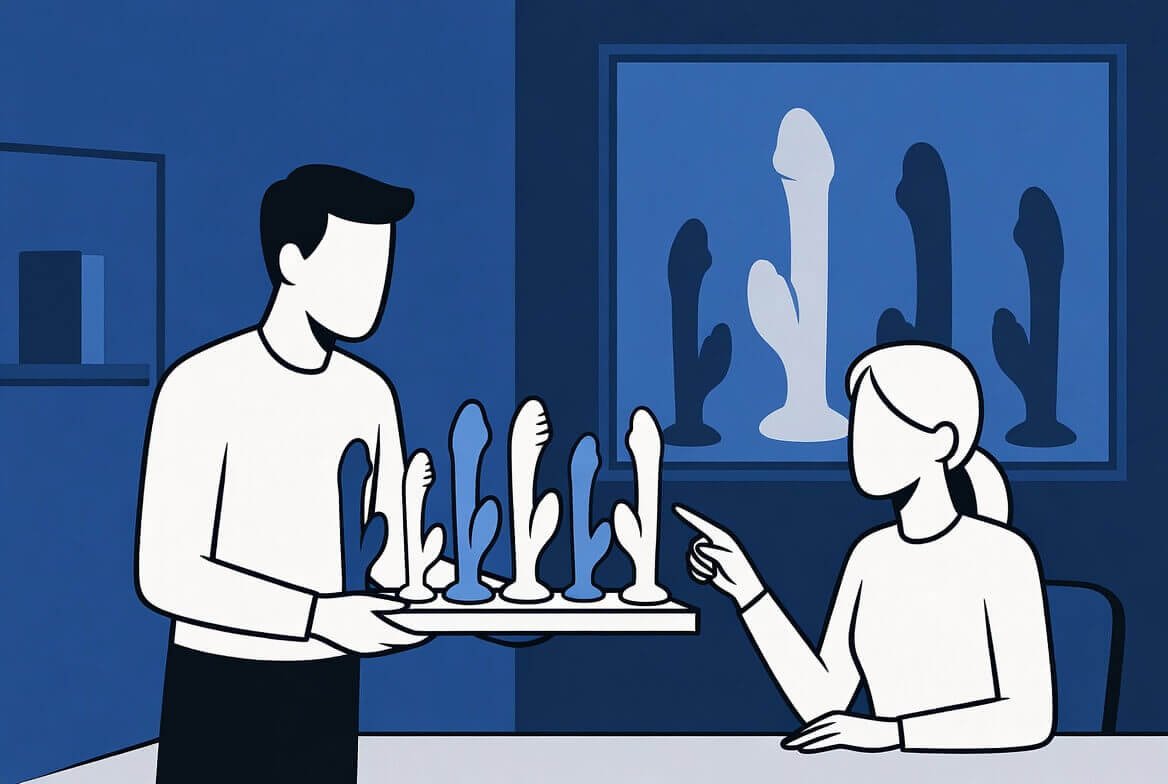
ODM means the manufacturer designs and produces popular products. You select from their lineup, add your branding, and sell.
This approach cuts your R&D investment and delivers faster access to market with proven concepts.
Adult toy brands often start with ODM for trendy items. Examples include standard silicone toys or basic vibrators rebranded quickly for private label lines or new creator collections.
OEM vs ODM Comparison Table
Here is a side-by-side comparison of key factors:
| Factor | OEM | ODM |
|---|---|---|
| Upfront Cost | Higher. You cover design, prototyping, and tooling. | Lower. Shared development costs reduce your spend. |
| Intellectual Property | Full ownership. You control patents and unique features. | Limited. Designs often stay with the manufacturer. |
| Customization Level | Complete. Every detail matches your vision. | Moderate. Focus stays on branding and minor tweaks. |
| Speed to Market | Slower. Development adds weeks or months. | Faster. Products exist and need only branding. |
| Scalability | Excellent for large volumes and sustained growth. | Strong for testing markets and initial runs. |
| Differentiation | High. Unique products build lasting brand advantages. | Lower. Similar items often reach the market together. |
| Lead Time | Longer, typically 90–180 days including development. | Shorter, often 30–60 days for production. |
| Risk Profile | Higher upfront investment but builds protected assets. | Lower entry risk but weaker protection against copies. |
Decision Matrix: Choosing OEM vs ODM
Choose OEM when you pursue long-term innovation goals. This model fits brands building proprietary technology, patented designs, or signature product lines that define their identity.
Choose ODM for rapid market entry. It works well when you want to leverage existing manufacturer expertise, test demand quickly, and minimize upfront risk with trendy or proven designs.

Key Advantages of OEM for Adult Toy Brands
Complete Design Ownership
You control every aspect of the product from concept to final specs. No one else can claim or copy your exact creation without permission.
This ownership creates a true asset for your brand. It supports future expansions into related products or accessories.
Full Creative Control for Brand Differentiation
OEM lets you craft products that reflect your unique vision. You stand out with custom shapes, functions, or material combinations that competitors cannot easily match.
Adult toy brands use this control to build loyal followings among content creators and end users who seek distinctive experiences.
High-Quality Assurance and Manufacturing Standards
You set the quality bar. You approve samples and enforce strict standards throughout production.
This matters deeply for adult toys. Body-safe materials, consistent performance, and reliable durability protect your reputation and customer trust.
Intellectual Property and Patent Protection
You can patent innovative features developed under OEM. Unique mechanisms, material blends, or smart integrations become defensible assets.
Strong IP protection discourages copycats and adds value if you ever expand or exit the business.
Key Advantages of ODM for Adult Toy Brands
Cost Savings on R&D and Production
You skip heavy design and engineering expenses. The manufacturer absorbs most development costs.
This saving helps startups and growing brands allocate resources to marketing, packaging, and customer acquisition instead.
Quick Time-to-Market with Trendy Designs
ODM products reach shelves fast. You respond to trends in weeks rather than months.
Adult toy trends shift quickly. Fast access lets you capitalize on popular styles before they fade.
Manufacturer Expertise in Product Innovation
Factories often track what sells best across markets. They refine designs based on real feedback and compliance needs.
You benefit from their experience with materials, features, and certifications common in the adult toy industry.
Flexibility in Partial Customization
You can adjust colors, add your logo, modify packaging, or request minor feature tweaks on existing designs.
This flexibility delivers a custom feel without the full cost of starting from scratch.
Challenges with OEM and ODM
OEM: Costs and R&D Intensity
OEM demands higher capital investment upfront. You fund design work, multiple prototypes, and custom tooling.
Development and manufacturing lead times stretch longer. Expect several months before first production runs ship.
ODM: Limited Customization Options
ODM restricts how unique your products can become. Many brands end up with similar-looking items from the same factory pools.
Intellectual property ownership stays limited. This raises risks if designs get copied by others using the same manufacturer.
Choosing the Right Manufacturing Path for Adult Toy Brands
Evaluating Brand Vision and Product Category
Clarify your goals first. Do you aim to lead with groundbreaking products? OEM supports that vision.
Do you focus on fast launches in popular categories? ODM aligns better with quick testing and iteration.
Consider your product type too. Highly technical or niche items often need OEM. Standard pleasure products may suit ODM initially.
Balancing Cost vs Innovation Goals
Startups and new creator brands often begin with ODM. Lower costs let them validate ideas without big financial risk.
As revenue grows, many shift resources toward OEM for hero products that drive differentiation and higher margins.
Scaling Strategies for Mid-Sized and Growing Brands
Mid-sized brands thrive with hybrid approaches. Use ODM for volume basics and OEM for signature collections.
This balance supports steady growth while building proprietary assets over time. It also spreads risk across different product tiers.
Strategic Insights for Niche Adult Toy Manufacturers
App-connected smart product differentiation for tech-savvy consumers
Smart toys with apps and connectivity open new opportunities. OEM partnerships help you develop exclusive firmware or app integrations tied to your brand.
These features appeal strongly to tech-forward users and content creators who want interactive experiences.
Sustainable materials and eco-friendly packaging for ethical branding
More buyers seek body-safe, sustainable options. Work with manufacturers on recycled silicones or biodegradable packaging.
ODM and OEM suppliers increasingly support these shifts. Ethical choices strengthen brand loyalty and open new market segments.
Hybrid models: Transitioning from ODM to OEM
Many successful brands start with ODM for speed. They later move select products to OEM once demand proves strong.
This transition protects successful designs and builds long-term competitive edges without overcommitting early resources.
Trends to Watch in the Adult Toy Industry Manufacturing
AI-powered product personalization
AI tools now help design custom fits or feature variations based on user data. OEM setups often integrate these capabilities for truly bespoke offerings.
Brands that adopt early can offer personalized recommendations or made-to-order elements that boost customer satisfaction.
Faster prototyping through digital manufacturing technologies
3D printing and digital simulation cut prototype cycles dramatically. OEM projects benefit most from these speed gains.
Shorter development loops let you test more ideas and bring winners to market sooner.
Collaboration with ODMs on sustainability compliance
Regulations around materials and packaging tighten globally. Partnering with ODM manufacturers on compliance shares the workload and expertise.
Joint efforts ensure your products meet standards in key markets while controlling costs.
FAQ
A:OEM puts design control in your hands. The manufacturer produces exactly what you specify.
ODM puts design control with the manufacturer. You brand and sell their existing or lightly adapted products.
The main difference centers on who drives innovation and who owns the resulting intellectual property.
A:ODM usually proves more cost-effective for startups. It lowers barriers by reducing R&D and tooling expenses.
You launch faster with less capital tied up. Many creator brands and new ecommerce sellers begin here to test the waters.
A:OEM gives you complete freedom to innovate. You develop unique features, shapes, or technologies without sharing ownership.
You can file patents and build a defensible portfolio. This protection supports premium pricing and long-term brand value.
A:ODM offers partial customization at best. You can typically change colors, packaging, and some surface details.
True uniqueness and full design ownership usually require OEM. Most ODM products share cores with other brands using the same factory.
A:Transition when a product line shows strong sales and you want to own its design fully.
This move makes sense once you have resources for development and see clear differentiation opportunities.
Many brands shift hero products to OEM while keeping volume items on ODM for balance.
Ready to choose the right manufacturing model and start building your differentiated product line?
At iGoods we specialize in both OEM and ODM manufacturing for adult toy brands. We support low MOQ private label projects, full design collaboration, and fast guidance tailored for content creators and growing businesses.
Contact Us Today to discuss your project. Get expert recommendations and a custom quote within 24 hours so you can move forward with confidence.