
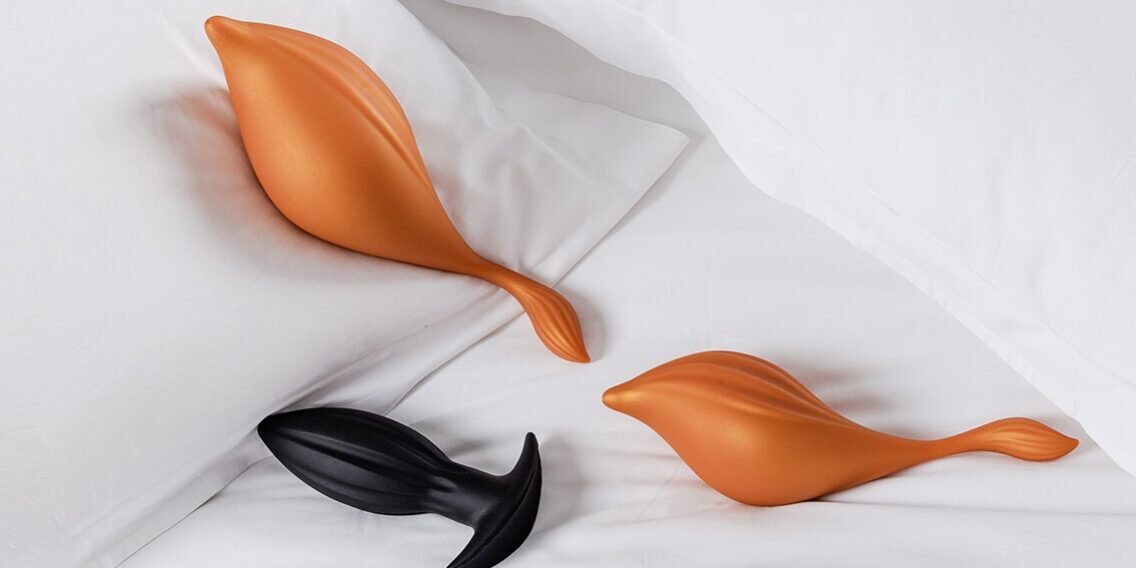
Anal toys do not automatically cause fecal incontinence.
In most cases, the body’s natural muscle structure and nerve control are designed to maintain continence, which is why understanding how the rectum and sphincter work is important before discussing potential risks.
Understanding the Basics of Anal Play
How does the anatomy of the rectum and sphincter work?
The rectum stores stool until your body signals a bowel movement. The anal canal connects to it and features two sphincter muscles. The internal sphincter stays closed automatically. The external sphincter gives you voluntary control. These muscles, along with nerves and tissues, manage continence and relaxation during activities like passing gas or defecation.
The role of sphincter muscles in control and continence
Sphincter muscles keep stool and gas inside until you choose to release them. The internal sphincter provides constant resting tone.
The external sphincter adds strength for control. Strong, coordinated muscles support continence. Over time, factors like age, injury, or repeated stretching can affect their performance.
Why anal stimulation feels good for some individuals
The anus and rectum contain many nerve endings. Stimulation activates pleasure receptors, especially near the prostate in people with one. Combined with psychological arousal, this creates intense sensations for many users. Proper relaxation enhances enjoyment.
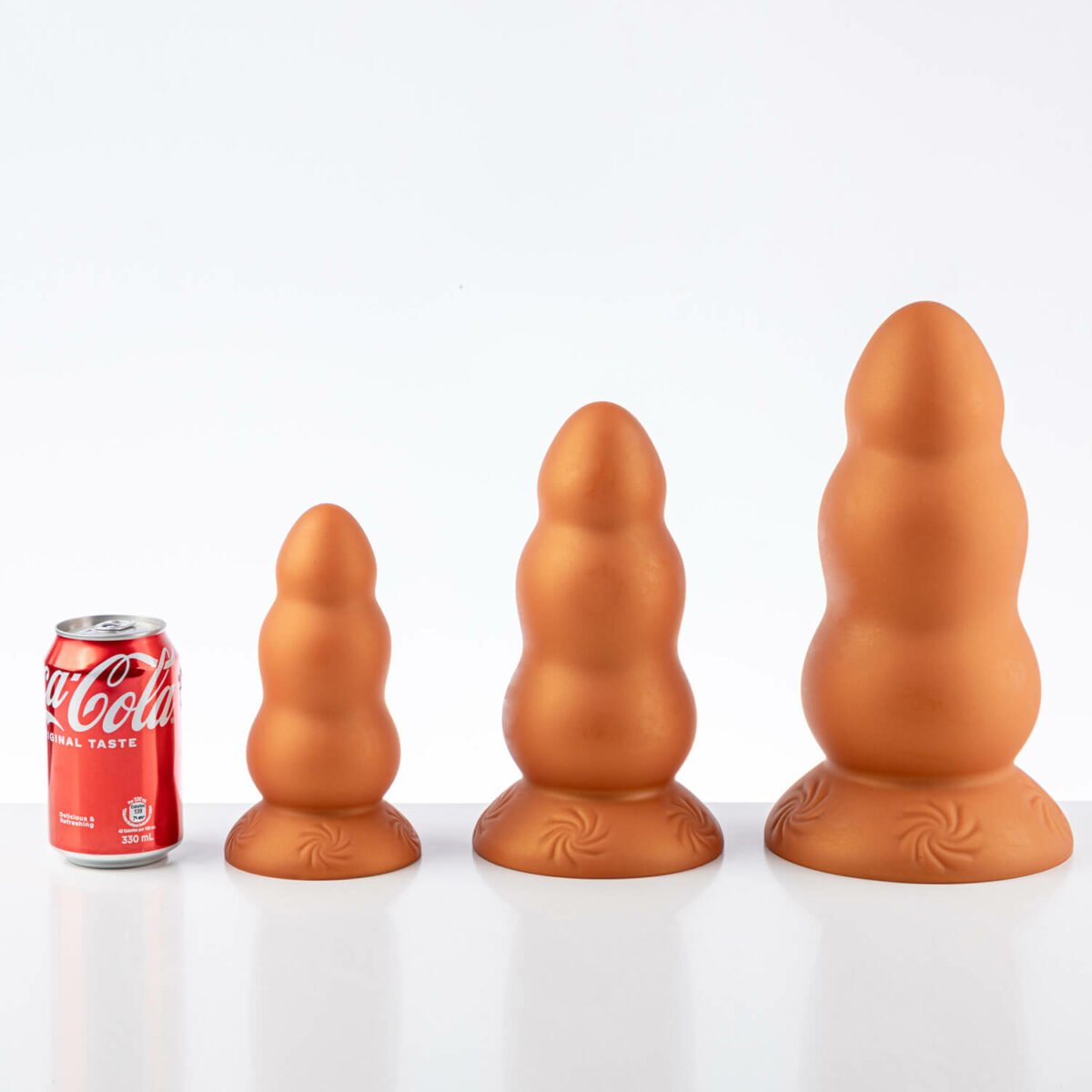
Potential Myths vs. Facts About Anal Toy Use
Will using anal toys stretch or damage my sphincter permanently?
Moderate use with proper technique rarely causes permanent stretching. The sphincter stretches temporarily but returns to normal with time and care.
Frequent, forceful play with very large toys increases risk of micro-tears or reduced tone. Most people experience no long-term issues when they progress gradually.
Can anal toys cause fecal incontinence?
Anal toys do not automatically cause fecal incontinence.
Studies show a modest increased risk with frequent receptive anal play, especially in men, but absolute risk remains low for careful users. Damage usually stems from trauma, lack of lube, or ignoring pain rather than toys themselves. Responsible use keeps risks minimal.
Why some people experience a feeling of needing to poop after anal play
Anal insertion stimulates nerves that signal bowel movements. The rectum interprets pressure as fullness.
This sensation often fades as your body adjusts. It feels intense for beginners but does not mean actual waste is present.
The Science Behind Accidental Leakage During or After Anal Play
Understanding bowel movement triggers during anal stimulation
Stimulation relaxes sphincters and moves contents in the lower rectum. Gas or small amounts of stool near the opening can escape. This reaction is normal and usually minor.
Why gas or constipation might occur after using anal toys
Play can trap air or affect bowel motility temporarily. Some people feel constipated afterward due to muscle fatigue or swelling. Hydration and light activity help restore normal function.
The connection between improper lubrication and irritation
Insufficient lube creates friction that irritates tissues and sphincters. This leads to swelling, discomfort, or minor tears that affect short-term control. Quality lube reduces these problems significantly.

How to Use Anal Toys Safely and Avoid Leakage
Prepping your body: Hydration, diet, and bowel habits
Drink plenty of water and eat fiber-rich foods for regular, soft stools. Have a normal bowel movement before play. Avoid heavy meals right before sessions. Consistent habits reduce surprises.
Warming up: Choosing the right toy size and shape for your body
Start with smaller toys and increase size gradually as your body becomes more comfortable with the sensation. Moving too quickly to larger sizes can create unnecessary pressure and discomfort.
Choose toys with a flared base and a smooth, tapered shape. These designs improve control during use and help reduce sudden tension when inserting or removing the toy.
Beginners usually adapt more easily to slim plugs or flexible beads before trying thicker or firmer options. Matching toy size to your actual experience level helps reduce strain and supports a more controlled experience.
The importance of lubrication and gradual play
Use thick, body-safe lube generously and reapply often.
Go slow, listen to your body, and stop at any pain. Gradual insertion lets muscles relax fully.
When and how to use enemas responsibly
Use plain water enemas sparingly for peace of mind. Overuse disrupts natural bacteria and can cause irritation. A quick rinse often suffices. Many people skip enemas entirely with good diet timing.
Post-play hygiene and aftercare tips
Clean toys and the area with mild soap and water. Urinate if needed and monitor for irritation. Gentle wiping or a shower works well. Rest muscles after intense sessions.
Addressing Risks and Long-Term Effects
Can large anal toys lead to long-term damage?
Very large anal toys used with excessive force or frequency can increase the risk of tissue irritation, small tears, or temporary sphincter strain. Sudden size increases and prolonged stretching place more pressure on the anal muscles, especially when the body is not fully relaxed.
Most long-term problems are linked to repeated overextension rather than occasional, controlled use. Most users who progress slowly and respect limits avoid serious issues. Moderation matters.
How pelvic floor dysfunction relates to anal play
Pelvic floor health also affects how the body responds to anal play.
Muscles that are already weak, tense, or poorly coordinated may contribute to discomfort, pressure, or reduced control during bowel movements.
Awareness and training help maintain health.
Signs it’s time to see a doctor after anal toy use
See a doctor for persistent pain, bleeding, incontinence, or changes in bowel habits. Do not ignore ongoing leakage or discomfort.
Pelvic Floor Training for Anal Toy Users
Why a strong pelvic floor matters for anal health
Strong yet flexible pelvic floor muscles improve control, pleasure, and recovery.
They support continence and reduce injury risk during play.
Exercises to strengthen and relax your pelvic floor muscles
Practice Kegels: squeeze as if stopping urine or gas, hold for 5 seconds, then relax. Do quick pulses too. Alternate strength and full relaxation exercises. Aim for several short sessions daily. Progress takes weeks to months.
Tools and devices to support pelvic floor health
Biofeedback devices or weighted kegel balls help some users.
Simple bodyweight exercises often suffice. Consult a pelvic floor therapist for personalized guidance.
Safe Anal Play Tips to Avoid Leakage
How to pace your sessions for optimal comfort and safety
Keep sessions short at first. Take breaks and build duration gradually. Stop immediately if anything hurts. Rest days between intense play allow recovery.
Choosing beginner-friendly anal toys if you’re new to anal play
Start with small-sized, soft silicone toys that allow controlled insertion without creating sudden pressure. Smooth surfaces and flexible materials help the body adjust more gradually, especially during initial use when muscles are still learning to relax.
Avoid complex shapes, sharp curves, or oversized designs at the beginning, as they increase strain and reduce control. A flared base is essential to prevent full insertion and improve handling safety, making it easier to maintain control throughout use.
The role of communication and consent during anal exploration
Talk openly with partners about sensations and limits. Check in regularly. Consent and comfort improve safety and enjoyment.
Products by Category
-
14 inch Silicone Anal Beads Factory with Removable Fox Tail
-
4.7” Diameter Realistic Extra Thick Dildo Supply
-
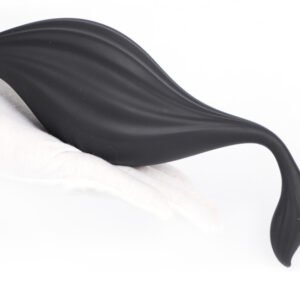
Custom 5 Sizes Silicone Double Tail Butt Plug Manufacturer
-
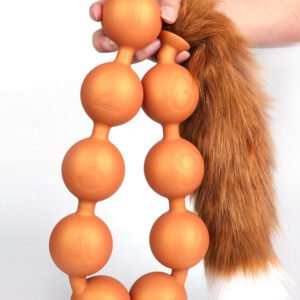
Extra Long Anal Beads Tail Wholesale Supplier
-
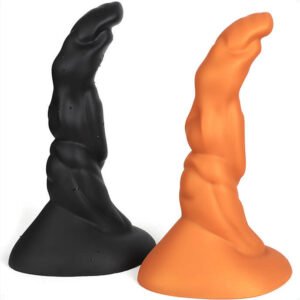
Huge Monster Dildo Wholesale 4 Sizes Manufacturer
-
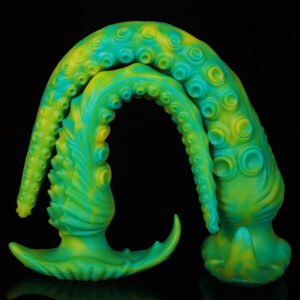
Long Tentacle Dildo – Octopus Tentacle B2B Supplier
-
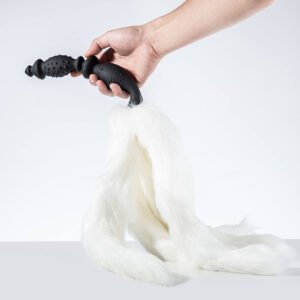
Plug Fox Tail Wholesale for SM & Cospaly
-
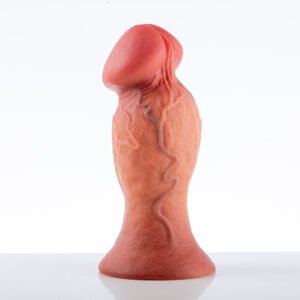
Realistic Silicone Anal Dildo 6 Sizes | B2B Export
-
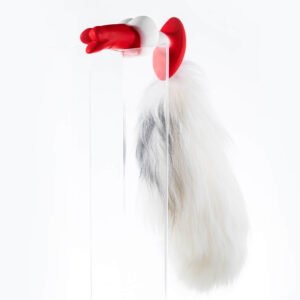
Remote Control Vibrating Fox Tail Anal Butt Plug
FAQ
A:Time play after a bowel movement, stay hydrated, use plenty of lube, and start small. Towels provide easy cleanup.
A:Yes, especially if introduced too quickly or used frequently. Gradual training and recovery time lower this risk.
A:Prolonged or very large plug use without breaks can fatigue muscles. Moderate, varied use with pelvic floor care keeps risks low.
A:Limit sessions to 15–30 minutes for beginners and no more than 45 minutes for experienced users. Always stop if you feel discomfort and allow your body at least one rest day between intense sessions.